Goodbye Irene: 15 Years After That Devastating Flood, Middleburgh Looks Into The Future.
Better than ever after 2011’s Hurricane Irene, the Village of Middleburgh starts to strategize for what comes next and how to get there. (It’ll take grants.)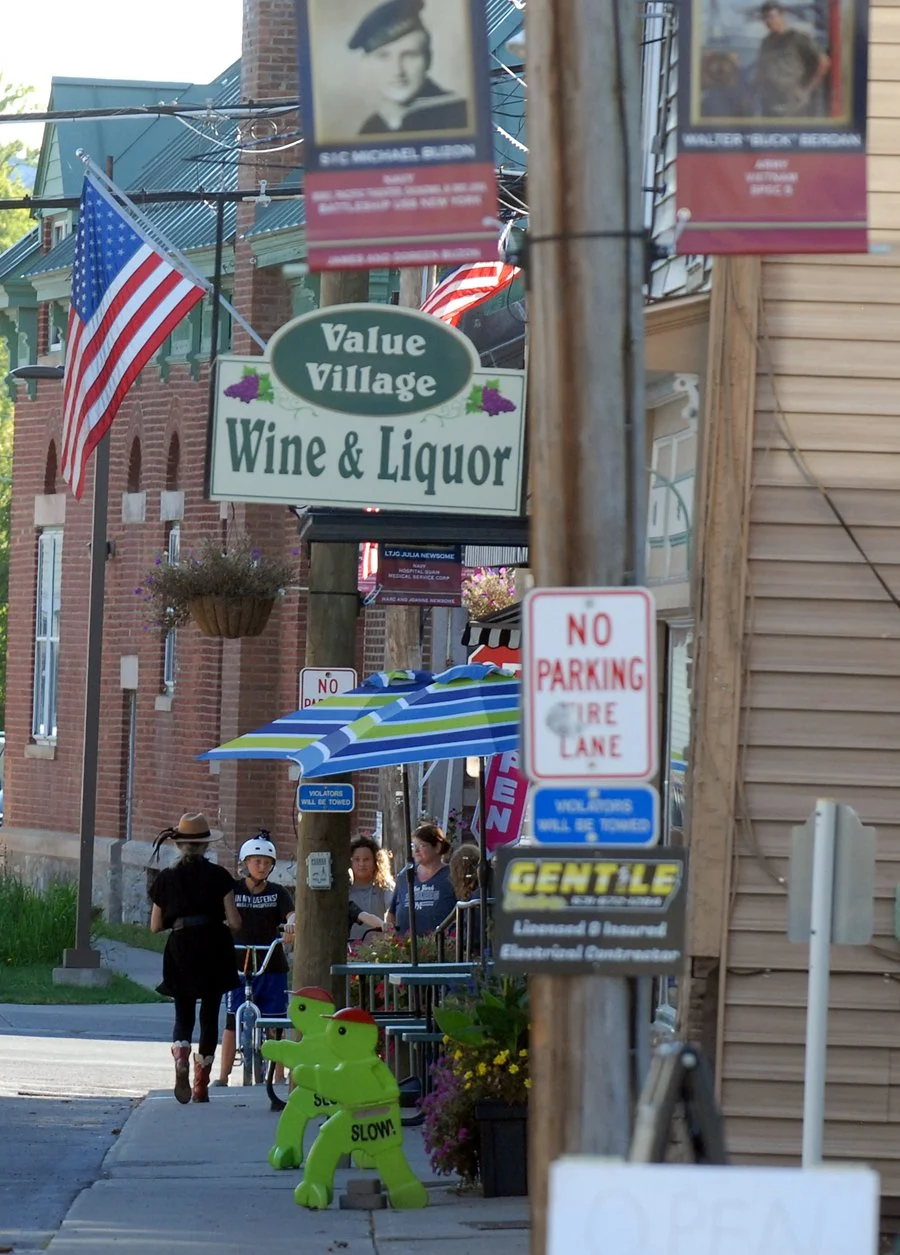
15 years after Hurricane Irene ravaged the Schoharie Valley, the Village of Middleburgh is back better than ever. And working on a vision and funding for the future.
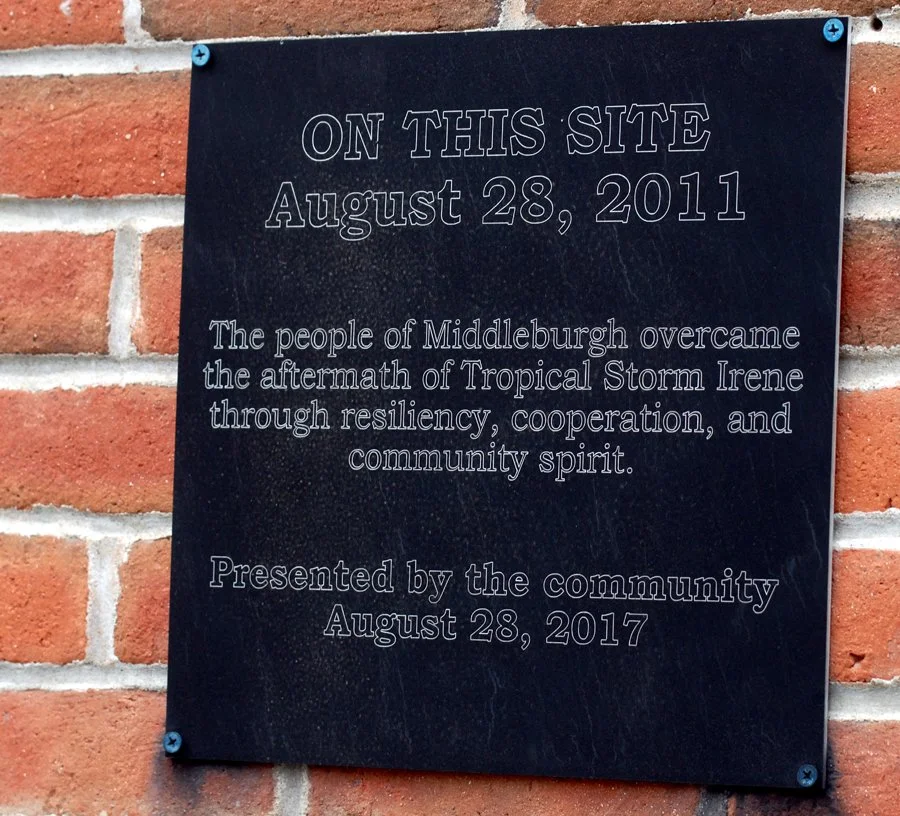
Fifteen years ago Sunday we learned just how resilient Schoharie County is.
August 28, 2011.
That’s the day that Hurricane Irene, parked over the Schoharie Valley, dumped a foot of rain in just a few hours, sending the Schoharie Creek over its banks, washing away roads and buildings and the 1855 Blenheim Bridge, leaving streets covered in mud and debris.
Statewide, damages from the storm exceeded $1 billion. Here, the National Guard was called in to help. But mostly, it was our neighbors and our own stubbornness and resiliency that helped us build our way back, better than ever.
Showing us just how tough we are.
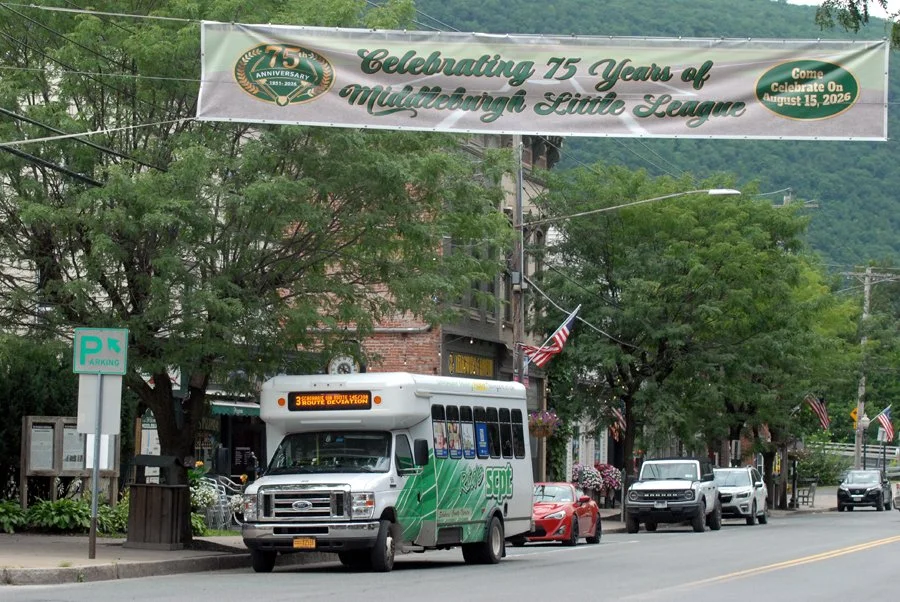
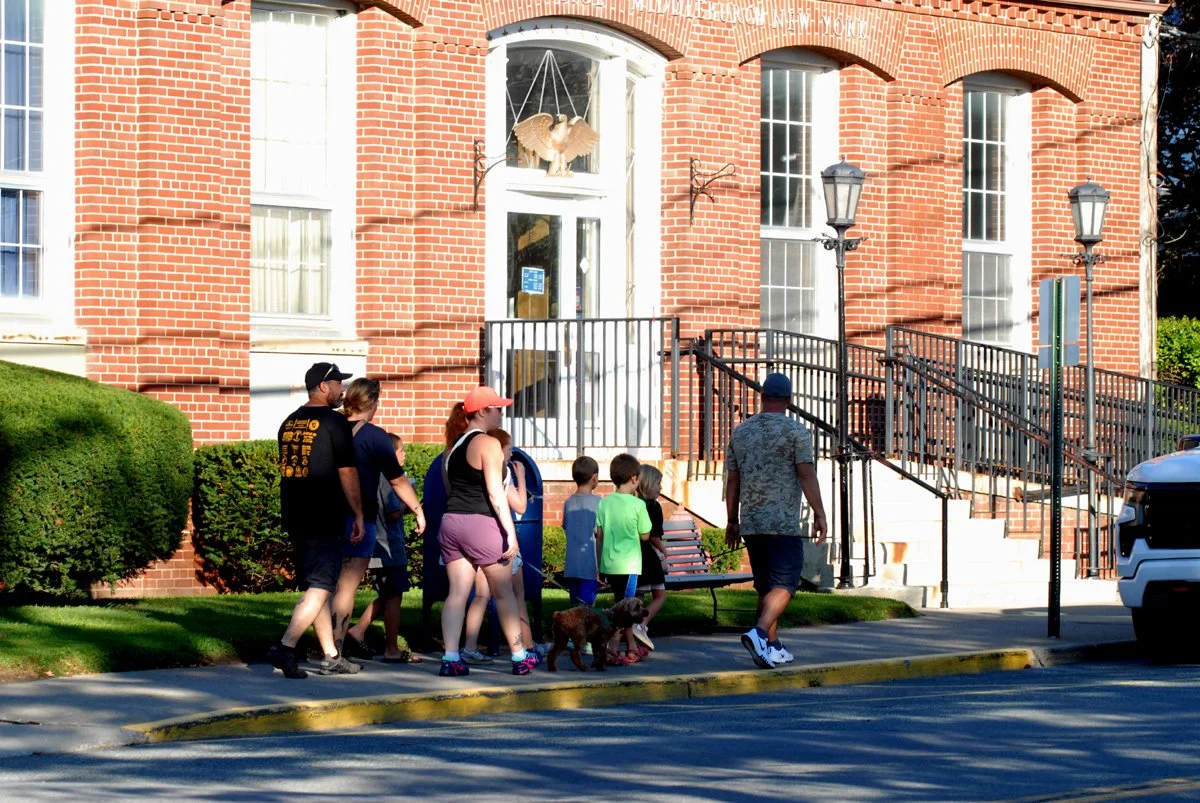
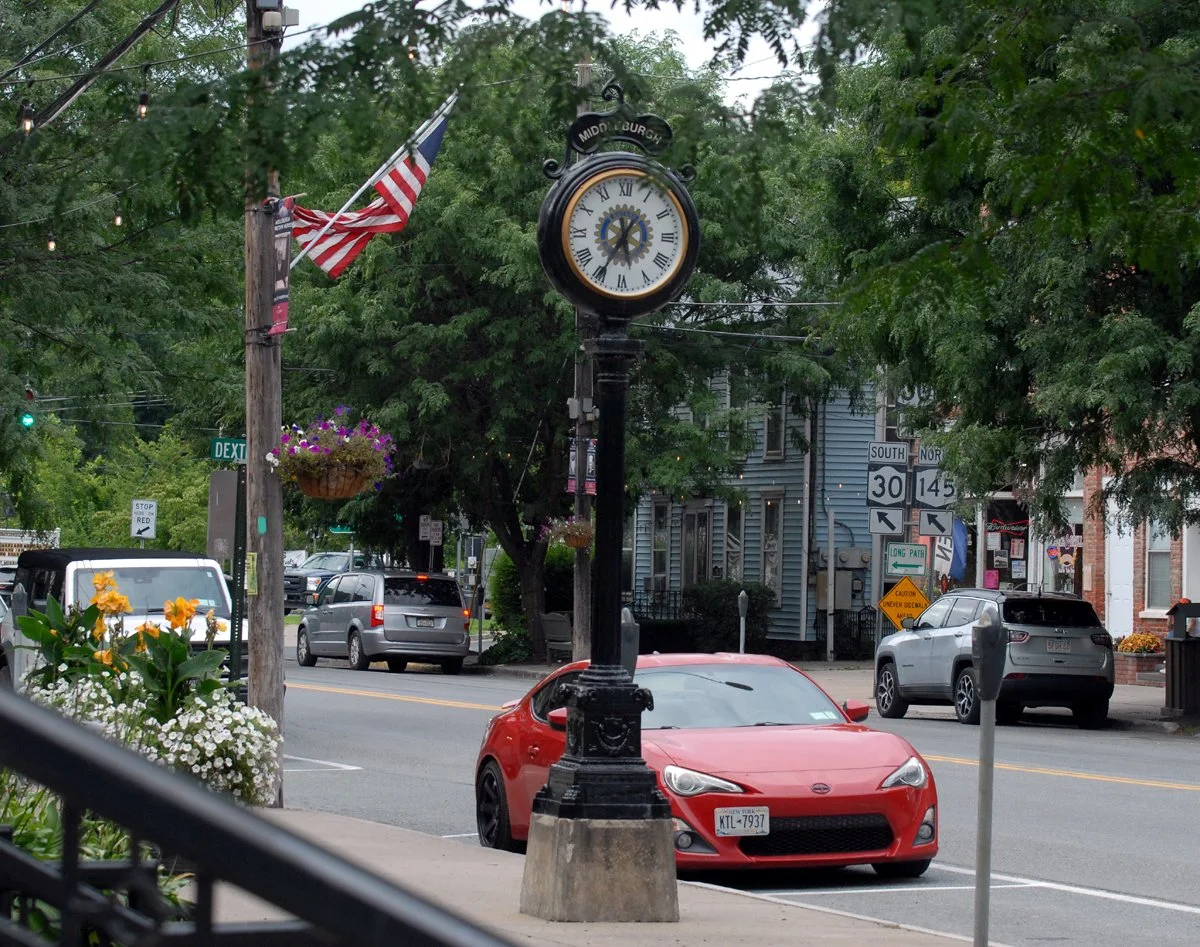
You can’t tell by looking at our Main Streets today what it was like then.
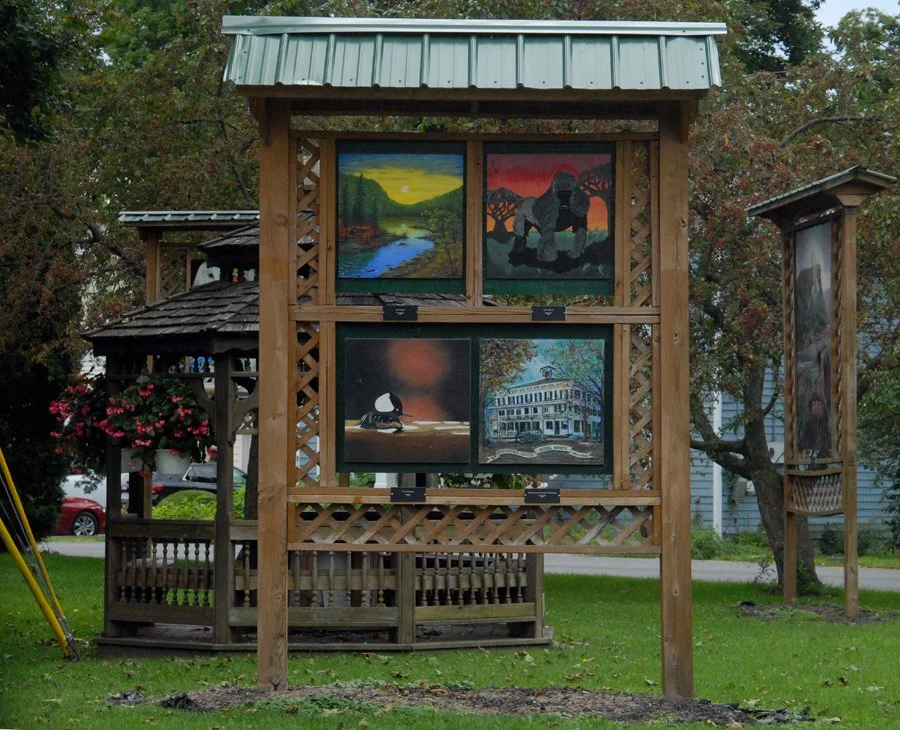
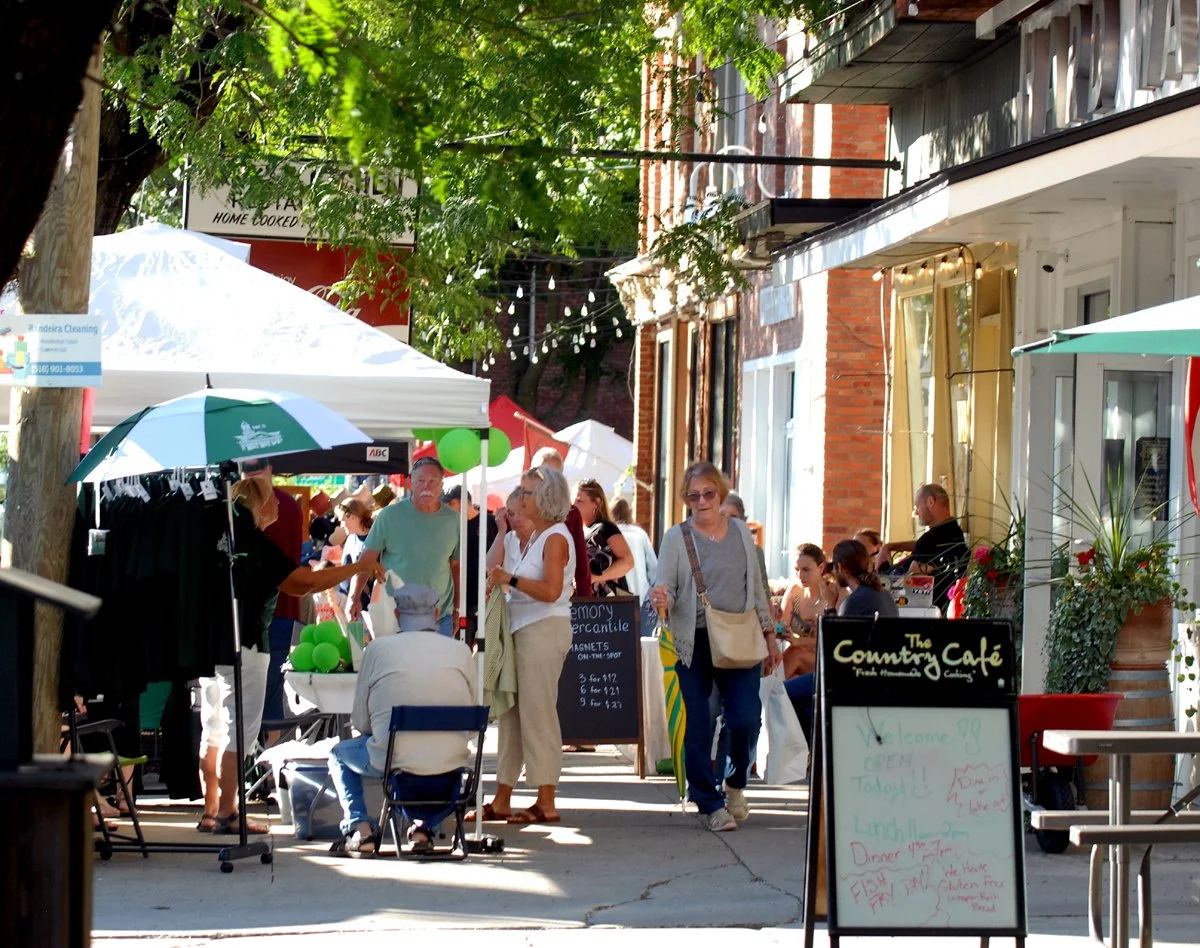
Especially in downtown Middleburgh, with its bustling coffee shop and restaurants, a capital project at the school, a busy library, and an Art Park with not just art, but solar-powered charging stations on park benches. (And free WiFi.)
Tim Knight was one of the volunteers drawn to Middleburgh to help clean up. He liked the sense of community he found so much that he stayed. Today he’s the mayor of a village working to get ahead of not just the next curve ball, but the curve, with a Strategic Plan it hopes will bring in grants (and maybe a shot at the state’s next Downtown Revitalization Initiative grant.)
Consultant Patty Paser is doing her part to make that happen, polling whoever she can at Middleburgh's 4th Fridays and in a workshop with local electeds, helping them imagine that future, prioritizing goals, and in thoughtful discussions about their village’s strengths–and challenges, asking them:
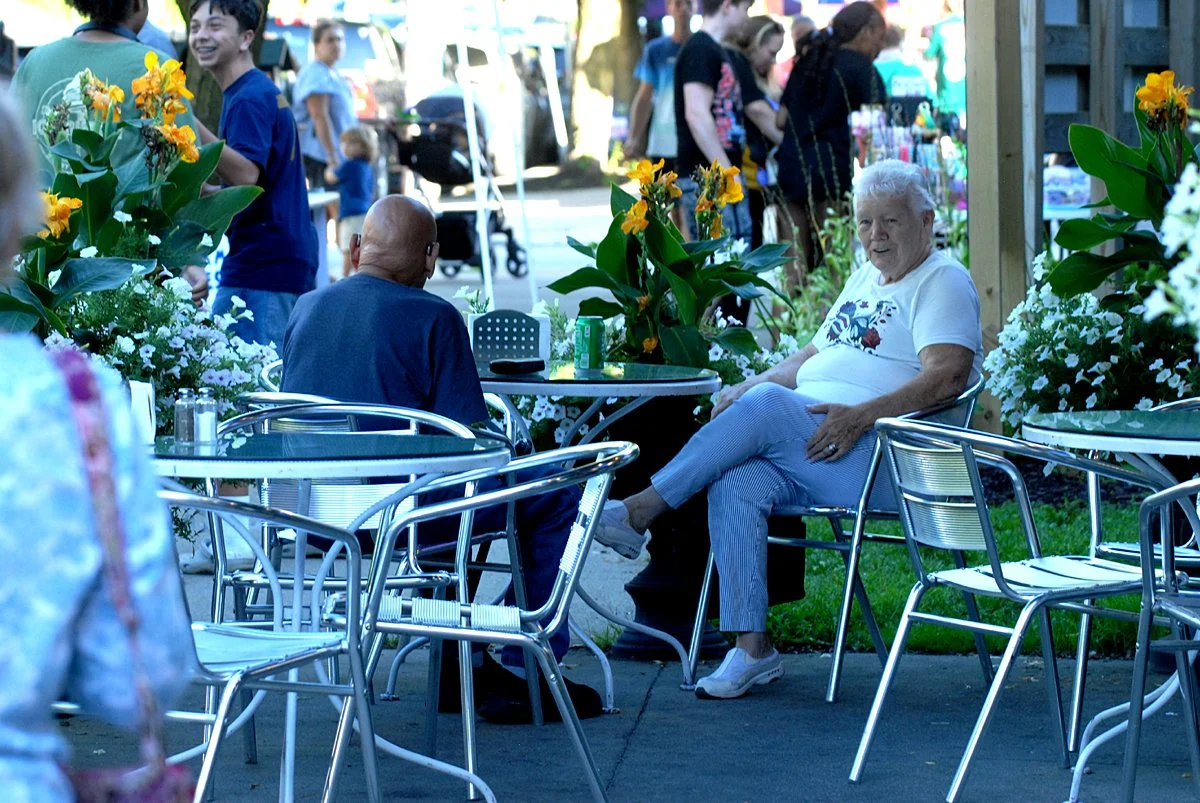
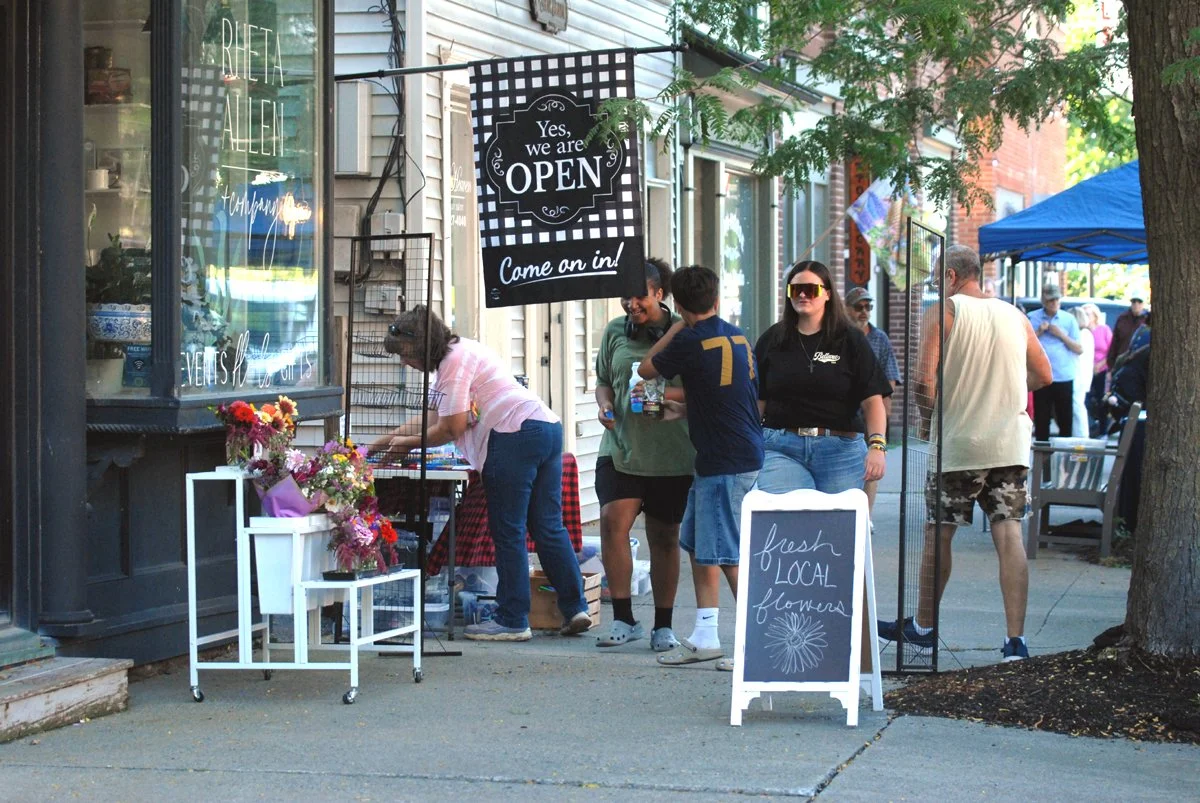
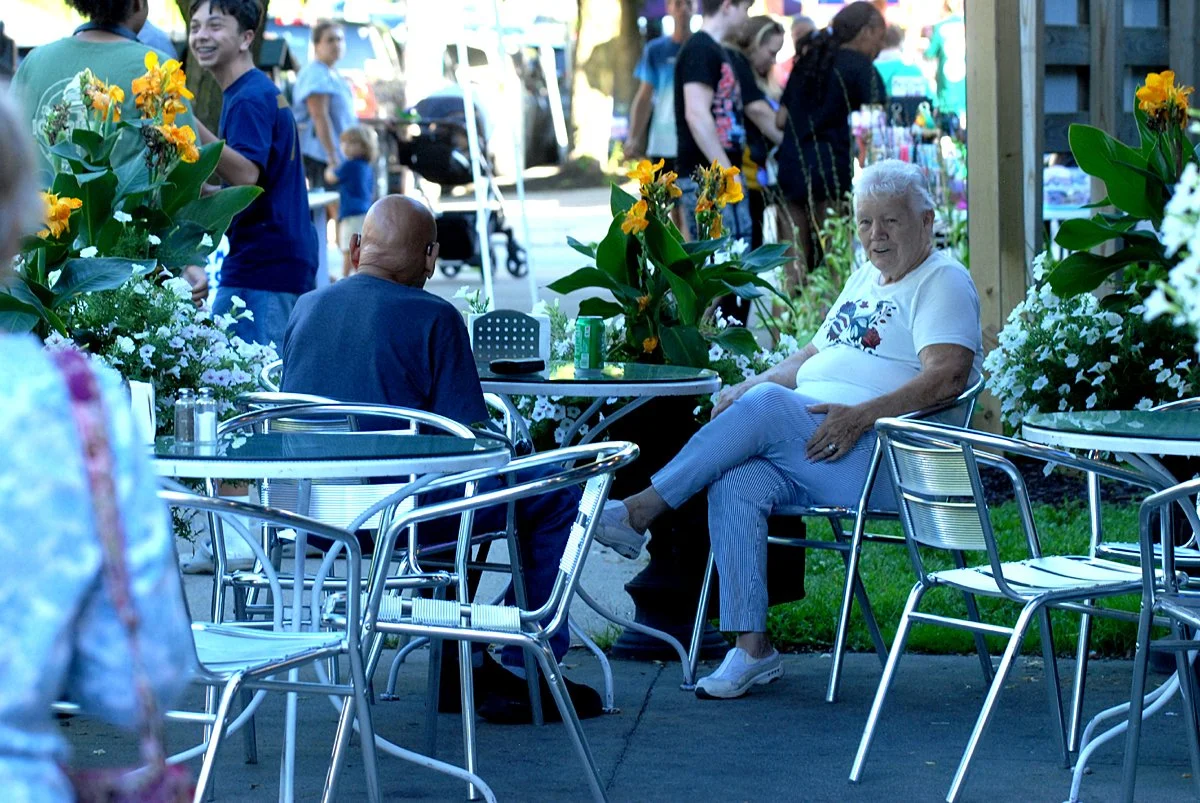
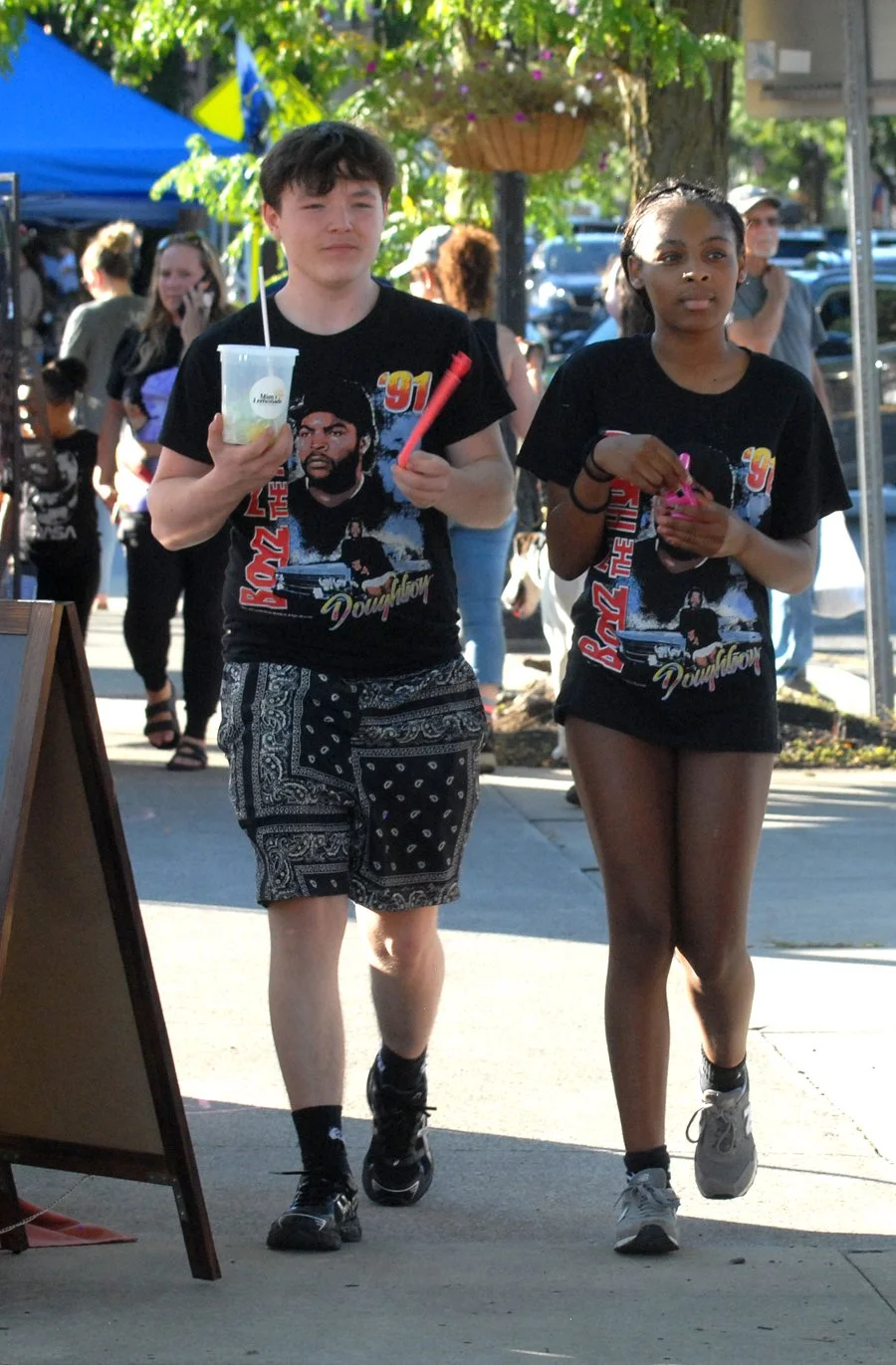
Events like MABA’s 4th Fridays bring crowds to Middleburgh’s streets and sidewalks. But what could village leaders do to bring in even more? They’re working on a plan.
What makes Main Street special?
How do we strengthen it, maybe create some jobs, while maintaining its character?
And what are the obstacles or barriers?
Both easier and harder to answer than it sounds.
Because in any small village, everything builds on everything else…
Main Street. The economy. Housing, quality of life, infrastructure. Flood resilience. The environment, open space, recreation, community identity, transportation, walkability…
And funding will always be where the rubber hits the road.
“Grants. It’s all about grants,” Knight said. “We have the manpower. We have the vision. But without funding…”
So what would they like to do? Those-spaghetti-on-the-wall things if money was no object?
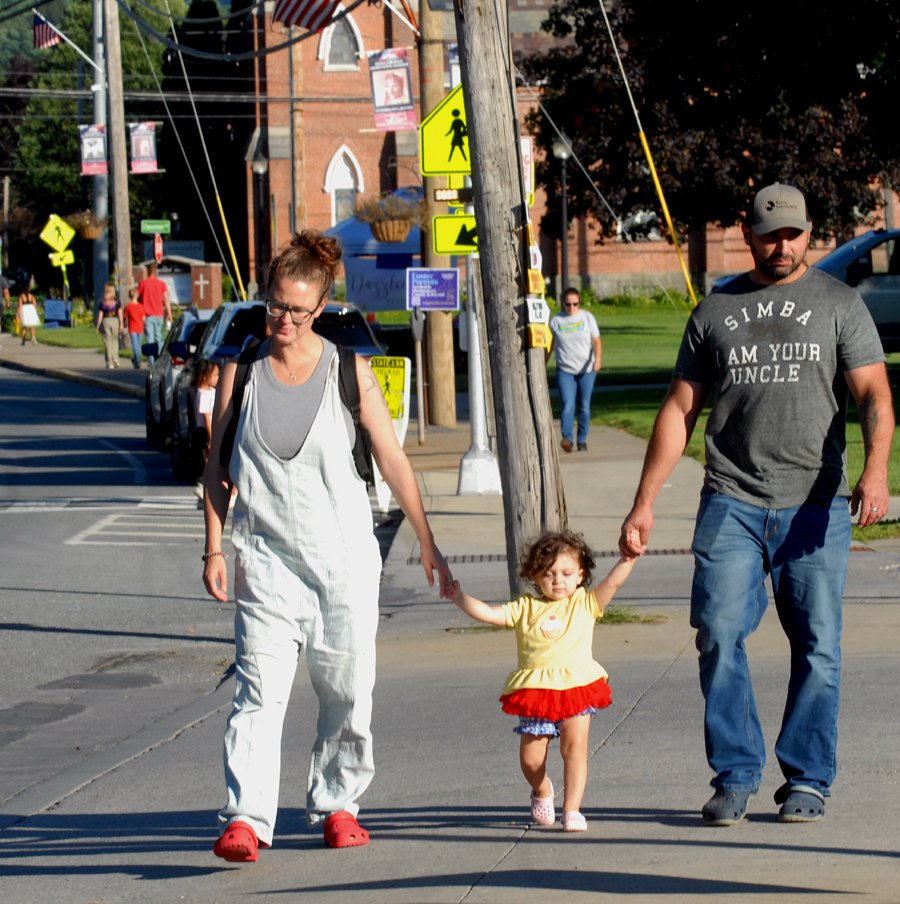
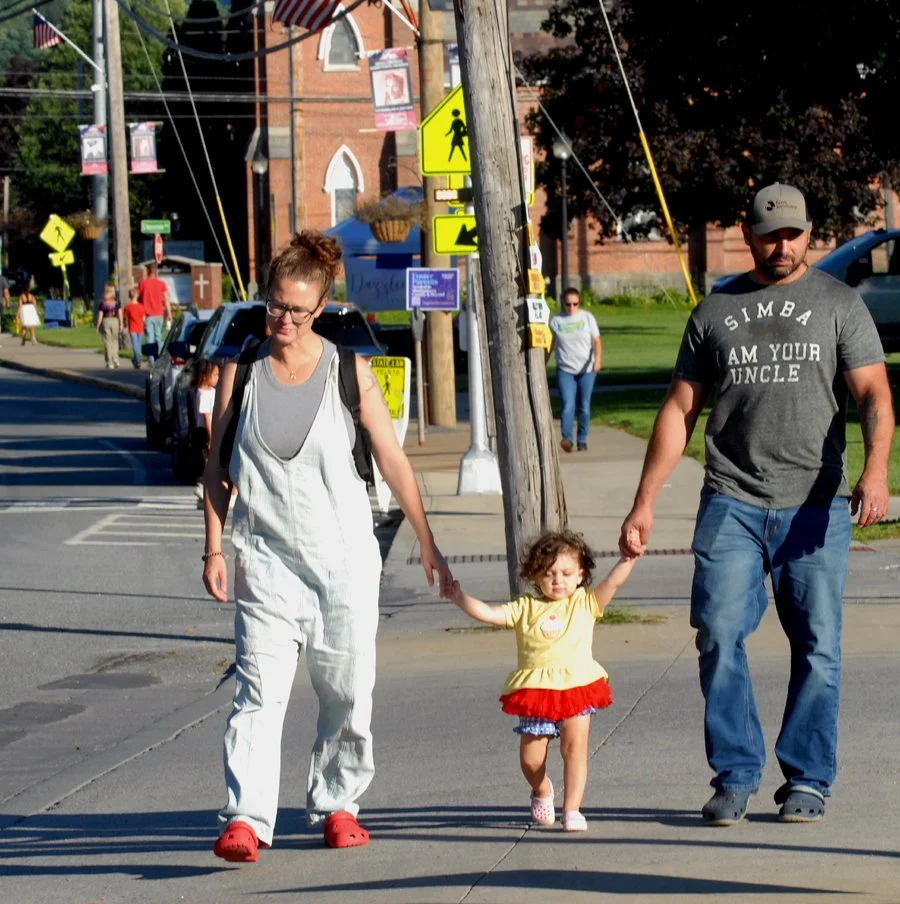
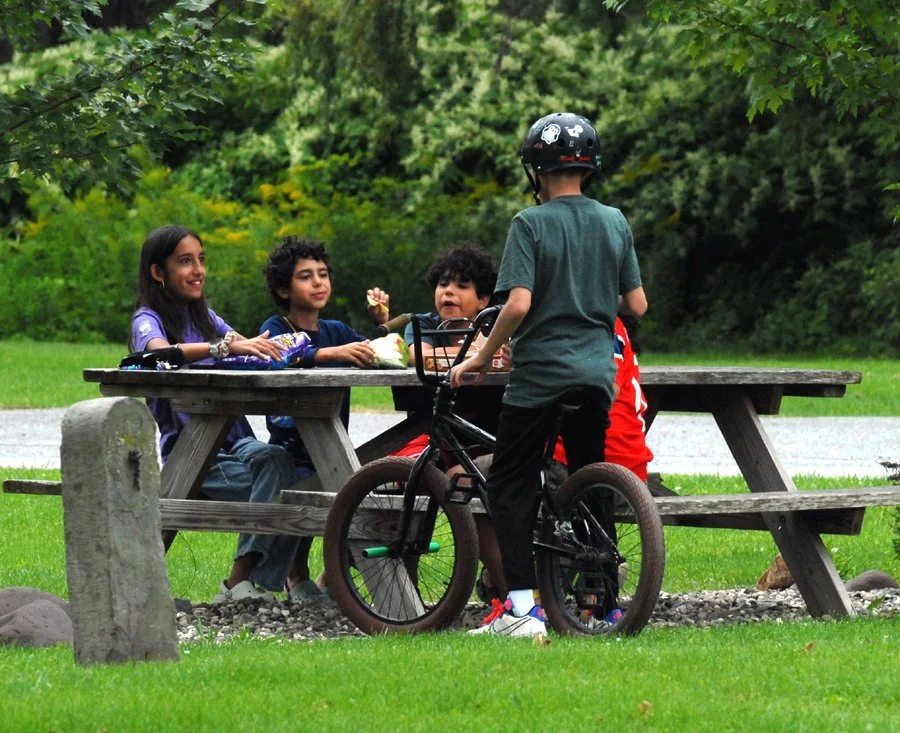
With two schools and a walkable downtown, festivals, restaurants, and shops, Middleburgh is a great place for families.
>>Maximize access to the Schoharie Creek for things like canoeing and kayaking.
>>Historic lighting, buried electric lines, facade work, more sidewalks, more parking, more trees.
It’s not glamorous, but infrastructure keeps the rest of it going, Trustee Kevin Young pointed out. Sidewalks = walkability, something you might take for granted if you live somewhere else. (And all part of that quality of life thing: A reimagined Main Street.)
>> A year-round spot for music and theater. Because while summer events transform the village, winter is awfully long and they’ve never quite found a way to capitalize on nearby Hunter and Windham. (Maybe at the school?)
>>Housing. “I think we need some creative thinking and then find someone to build it,” Trustee Bob Tinker said.
Next…
What are some short-term, low-cost, high-visibility solutions that can build momentum and community pride?
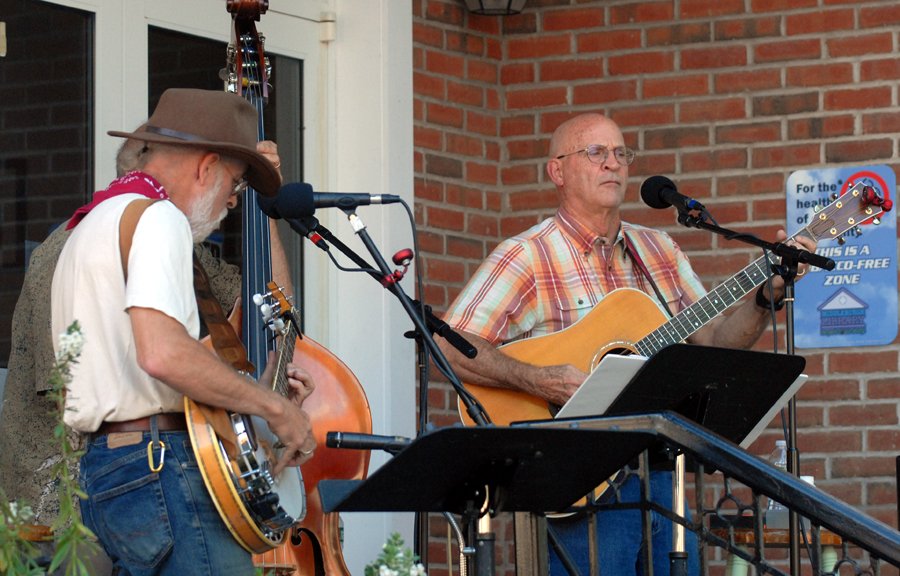
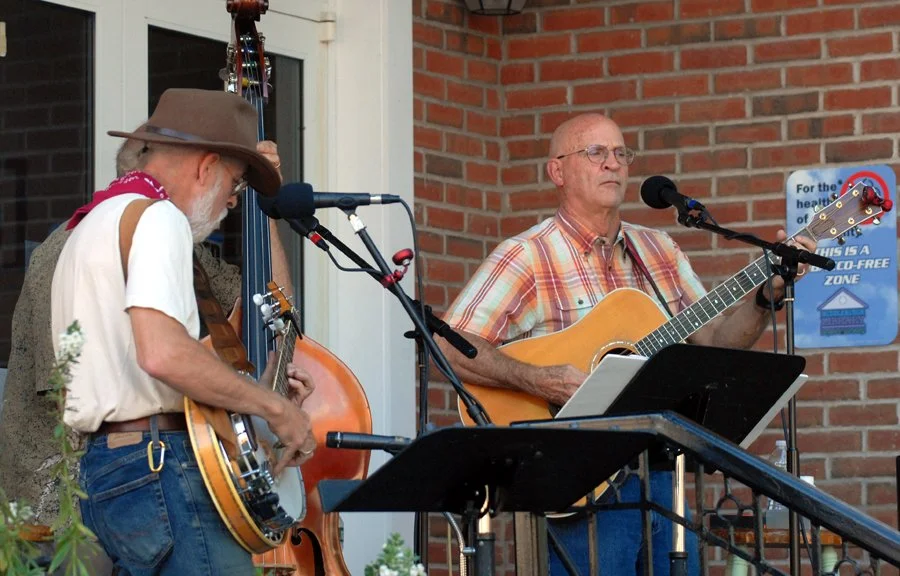
The Hollering Geezers perform on the front porch during Middleburgh’s last 4th Friday of the season.
"I went to Catskill. Those darn cats are everywhere,” Knight said. “Something like that…and that’s not a big cost.” Scarecrows maybe? (Because Middleburgh already does scarecrows in the fall.)
>>A brochure and map highlighting Main Street businesses.
>>All of the big stuff above. Because when you’re working every day to make your community better, it’s hard to separate the two.
Maybe the most important question–and answers–came at the end of the workshop:
Finally: Why Middleburgh?
Tinker: “The first time I came to Middleburgh, I looked down into the Valley, and I knew this was a place I could live. People wave. It’s a friendly place.” Plus… “Amazon may bring people into the county. We’d like to have them here.”
Young: “You can walk outside and find something to do.” (He’d just moved in when he heard fireworks going off at what turned out to be a 4th Friday.) “I was like, ‘What the heck?’ He found the heck: a Main Street filled with neighbors.
Knight: “I love how self-sufficient Middleburgh’s become with our grocery store. You almost don’t have to leave here. I’d like to see us really build on that.”
And in the end, what brought them together to brainstorm Middleburgh’s future in the first place:
“We can’t operate without grants.”
If not DRI (yet), Middleburgh’s already scored some smaller grants local leaders hope can make them a good investment for the bigger ones.
In July, they learned they had been awarded up to $1.2 million in a NY SWIMS grant for the pool; August brought word of a $50,000 NYS SECURE grant to assess cybersecurity at the Water & Wastewater Facilities.
That’s Middleburgh for you. Hometown schools, agripreneurs,community…
Resilence and vitality.
Anyone would want to live here.
There’s more on all of our communities and why they might be a good fit for your next chapter at Root-Access and SEECNY.
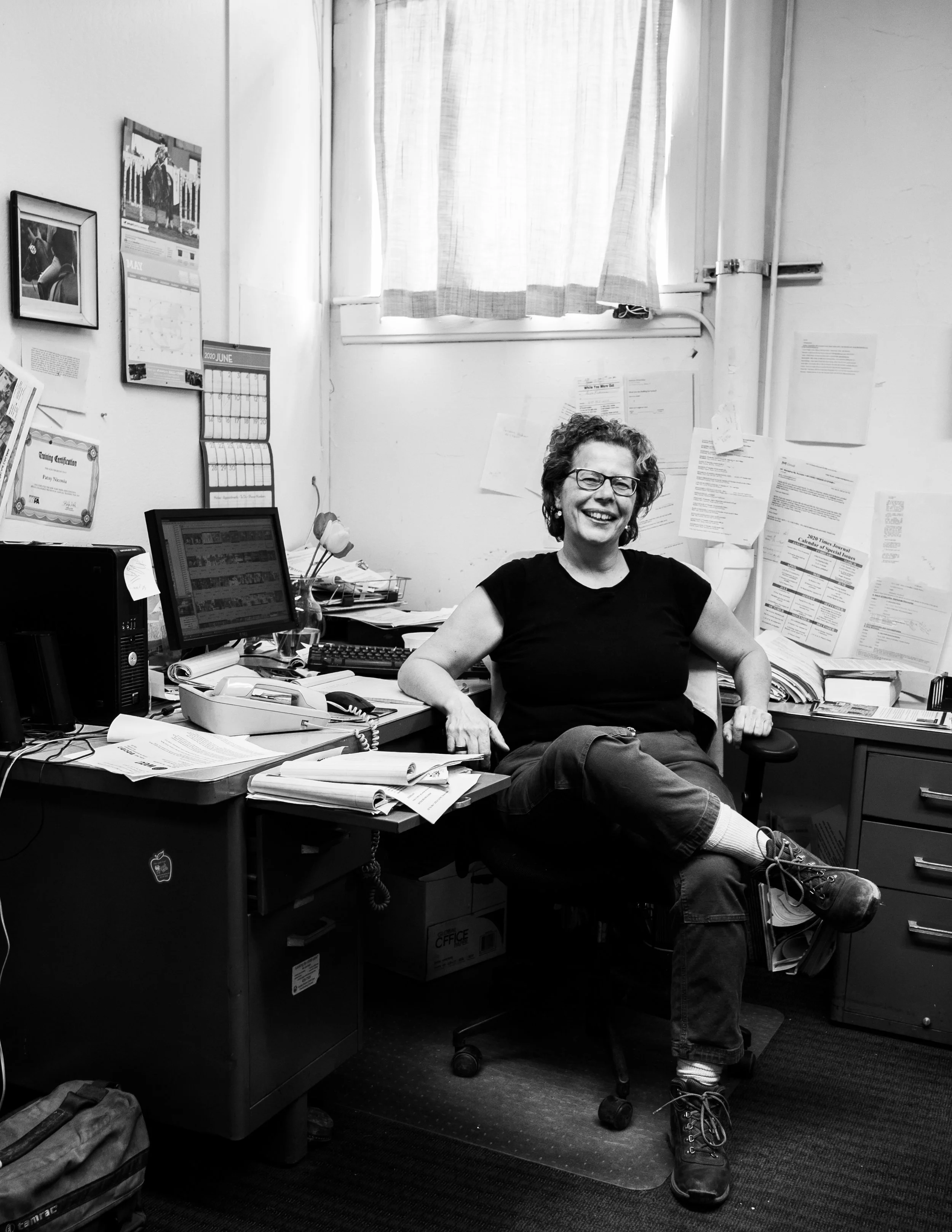
Contact Root-Access writer and photographer Patsy Nicosia at patsynicosia@gmail.com.