
Plan Your Move

Moving to Upstate New York, and what to expect when you get here
At some point, curiosity turns into something more concrete.
You’re no longer just exploring the idea of moving to a small town.
You’re starting to ask real questions.
What does it cost?
Where would I live?
What is day-to-day life actually like?
If you’re considering relocating to Upstate New York, Schoharie County offers a place where those answers start to come into focus.
This page is designed to help you understand what it takes to make the move, and what to expect when you do.
What to expect when living in Schoharie County
Local agents can help you navigate:
→ Residential homes, land, and rural properties
→ Zoning, land use, and agricultural potential
→ Differences between towns and hamlets
Agencies like Country Boy Realty specialize in rural and agricultural properties, making them a strong starting point for buyers looking for space, land, or investment opportunities.
For commercial properties and business opportunities, platforms like LoopNet can also be useful when exploring available listings.
Finding the right property here starts with working with people who understand the region.
Towns Within The County
Each town offers a slightly different experience, but all share a strong sense of place and community.
-
![]()
Cobleskill
Cobleskill is the commercial and educational hub of Schoharie County, offering a walkable village center, local shops and restaurants, and the presence of SUNY Cobleskill, all surrounded by farmland and open space.
-
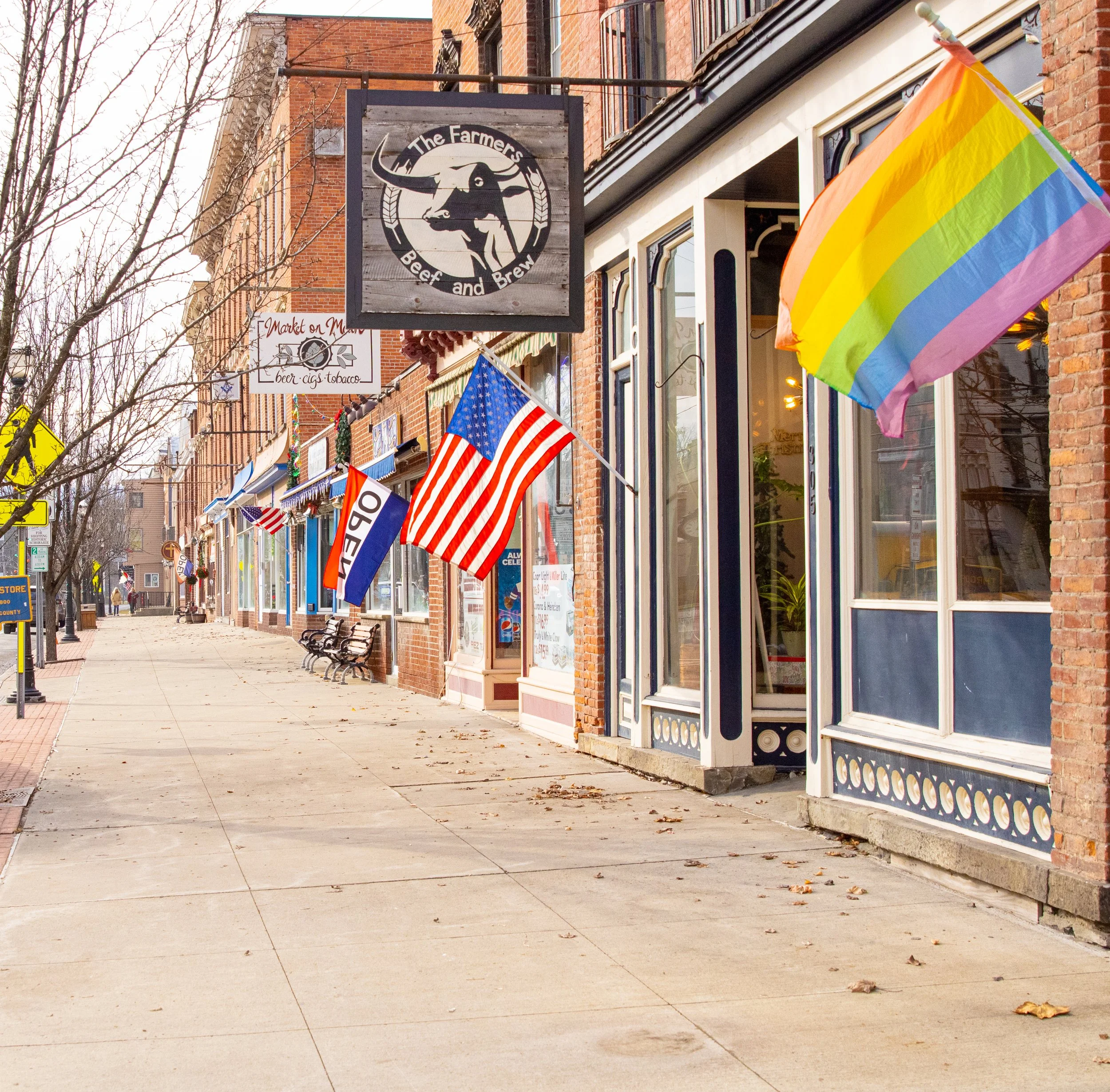
![Empty downtown street with storefronts, American flags, a rainbow pride flag, and hanging signs including one for The Farmers Brew and one for a market with beer, cigars, and tobacco.]()
Schoharie
Schoharie is the county seat and a historic village at the heart of the county, known for its scenic valley setting, strong sense of community, and proximity to farms, local businesses, and regional connections.
-
![A decorative street clock with the word 'Middleburgh' on top, adorned with red and white striped ribbons, standing in a historic downtown area decorated for Christmas with strings of lights and candy canes. Brick buildings with ornate facades are visible in the background.]()
Middleburgh
Middleburgh is a charming village along Schoharie Creek, known for its small-town feel, local shops and restaurants, and easy access to outdoor recreation in the surrounding hills and valleys.
-
![Street scene with colorful houses, American flags, trees, a clear sky with some clouds, and cars parked along the road.]()
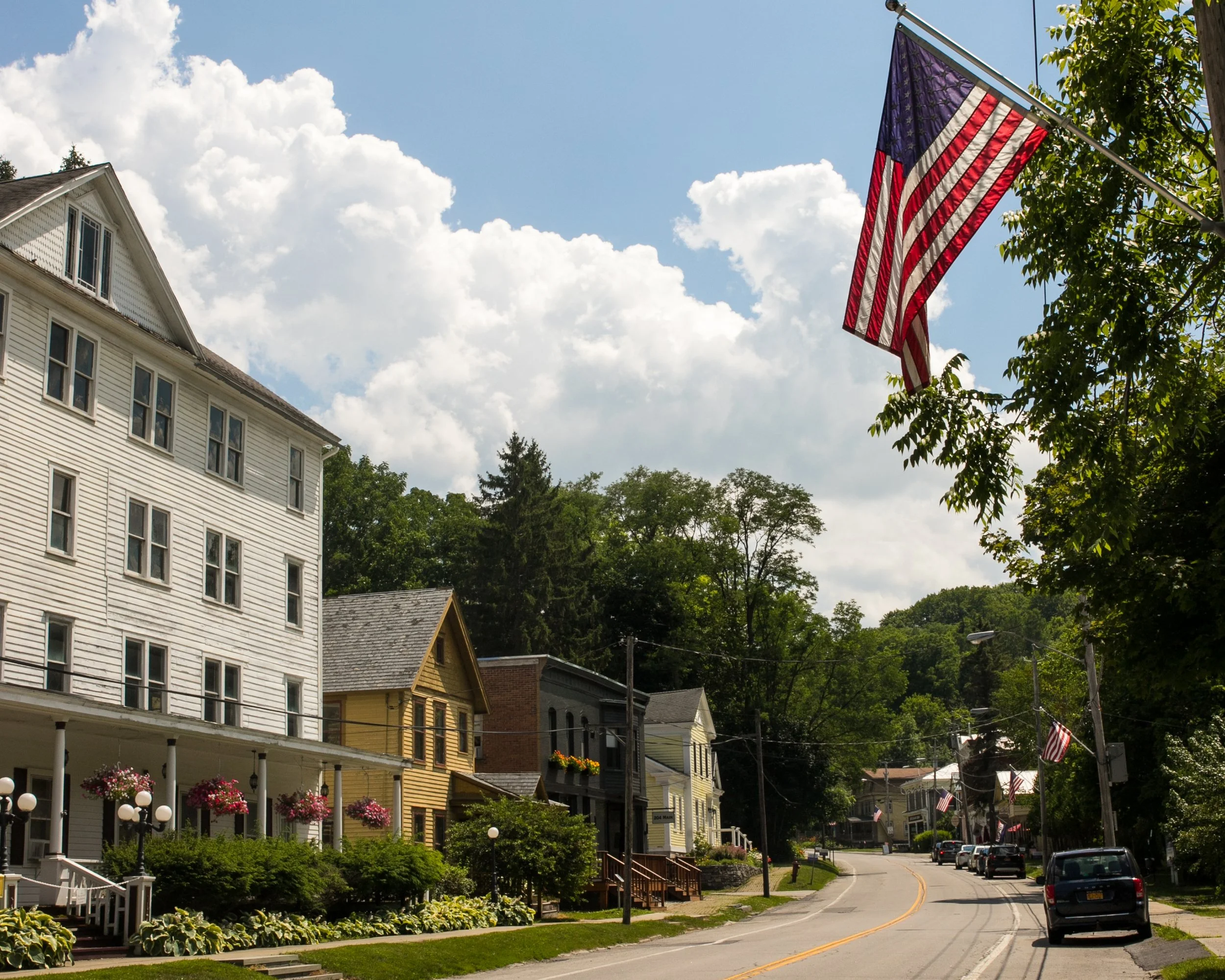
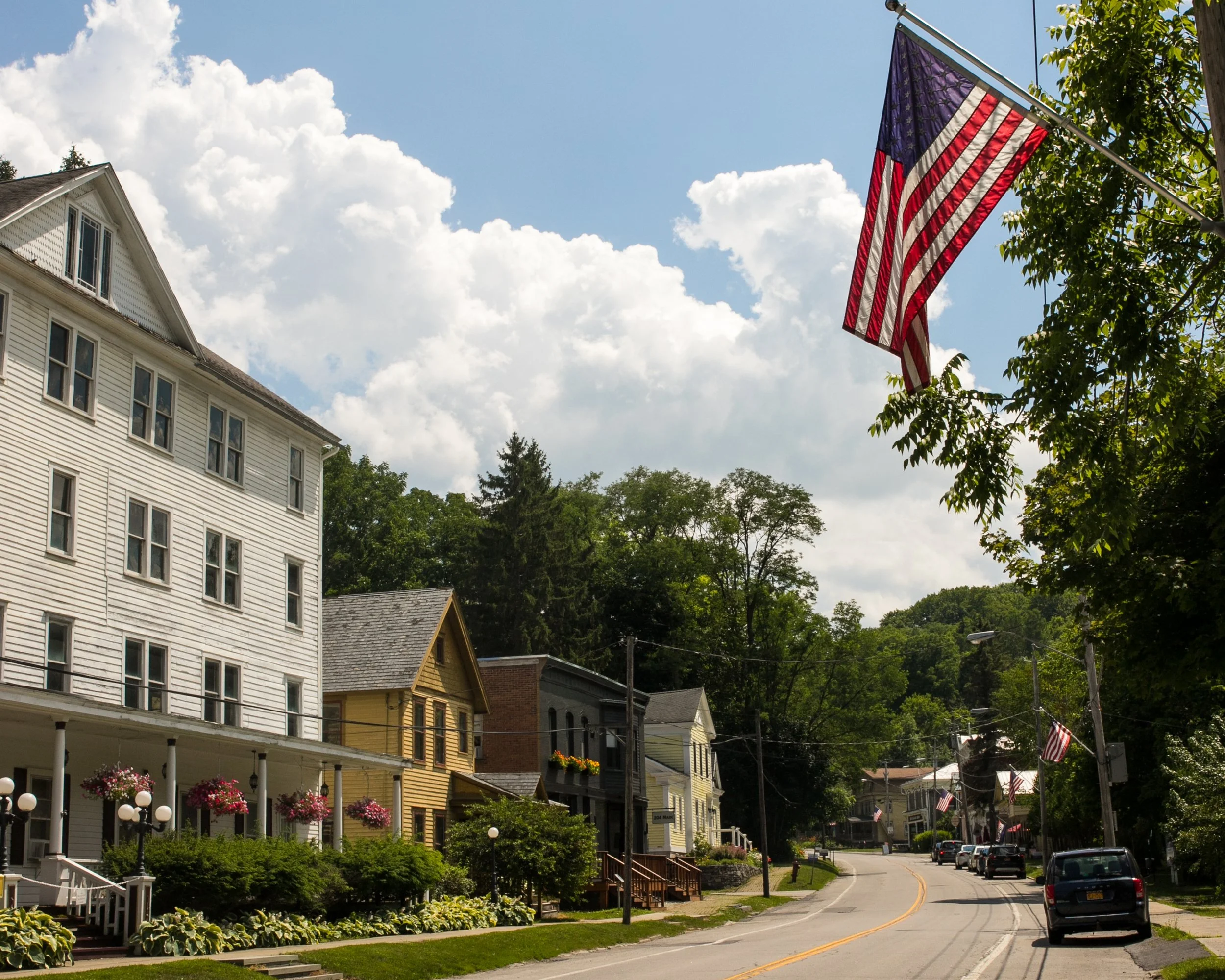
Sharon Springs
Sharon Springs is a historic spa village known for its beautifully preserved architecture, vibrant small business scene, and a creative, close-knit community rooted in culture, food, and design.


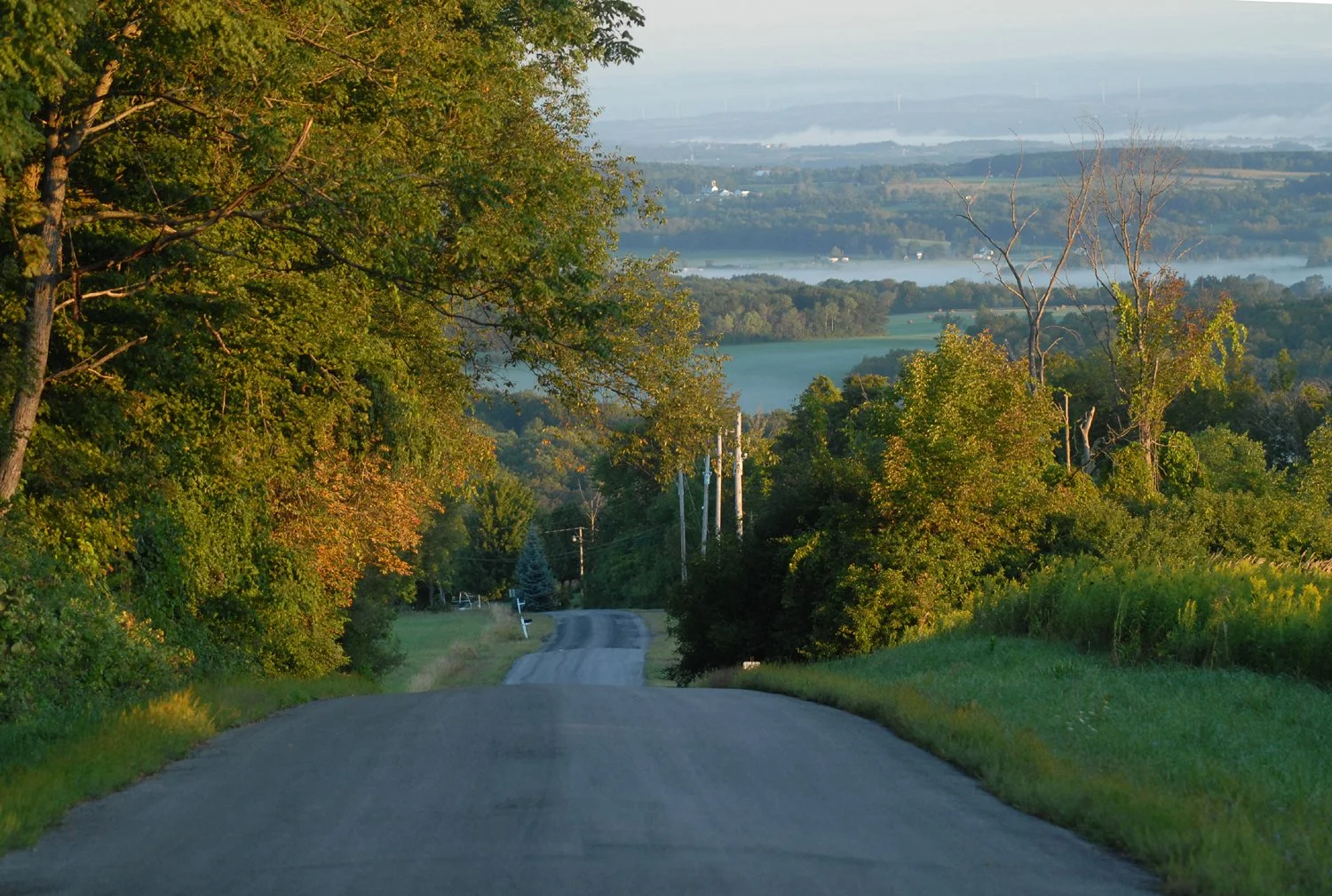
Housing options in Schoharie County vary depending on location and lifestyle.
You’ll find:
Single-family homes in small towns and villages
Rental properties (availability may vary)
Farmhouses and land-based properties
Opportunities to purchase land and build
Compared to more competitive areas like the Hudson Valley, many buyers are drawn here for:
Greater affordability
More space and acreage
Long-term potential
Because inventory can be limited in smaller communities, it’s helpful to begin your search early and stay flexible.
Housing Inventory
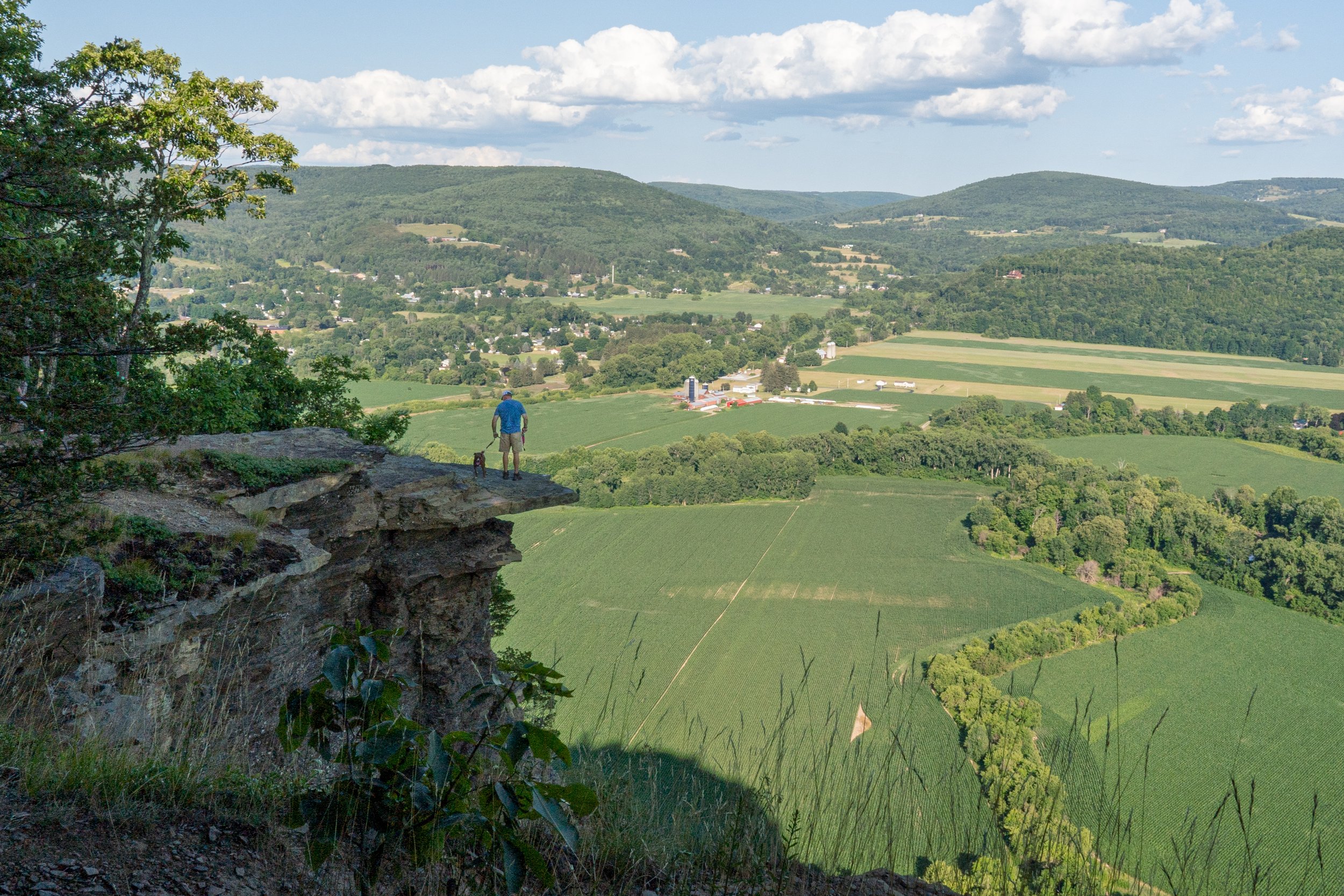
One of the best ways to understand if Schoharie County is right for you is to spend time here.
Before making a move, consider:
→ Visiting different towns within the county
→ Exploring daily life (not just weekend experiences)
→ Talking to local residents and business owners
→ Testing internet access if you work remotely
You can also:
→ Request a welcome packet
→ Ask for introductions to community members
→ Connect with local organizations
Taking the time to experience the area firsthand will give you a clearer sense of what living here feels like.
Visit Before You Move
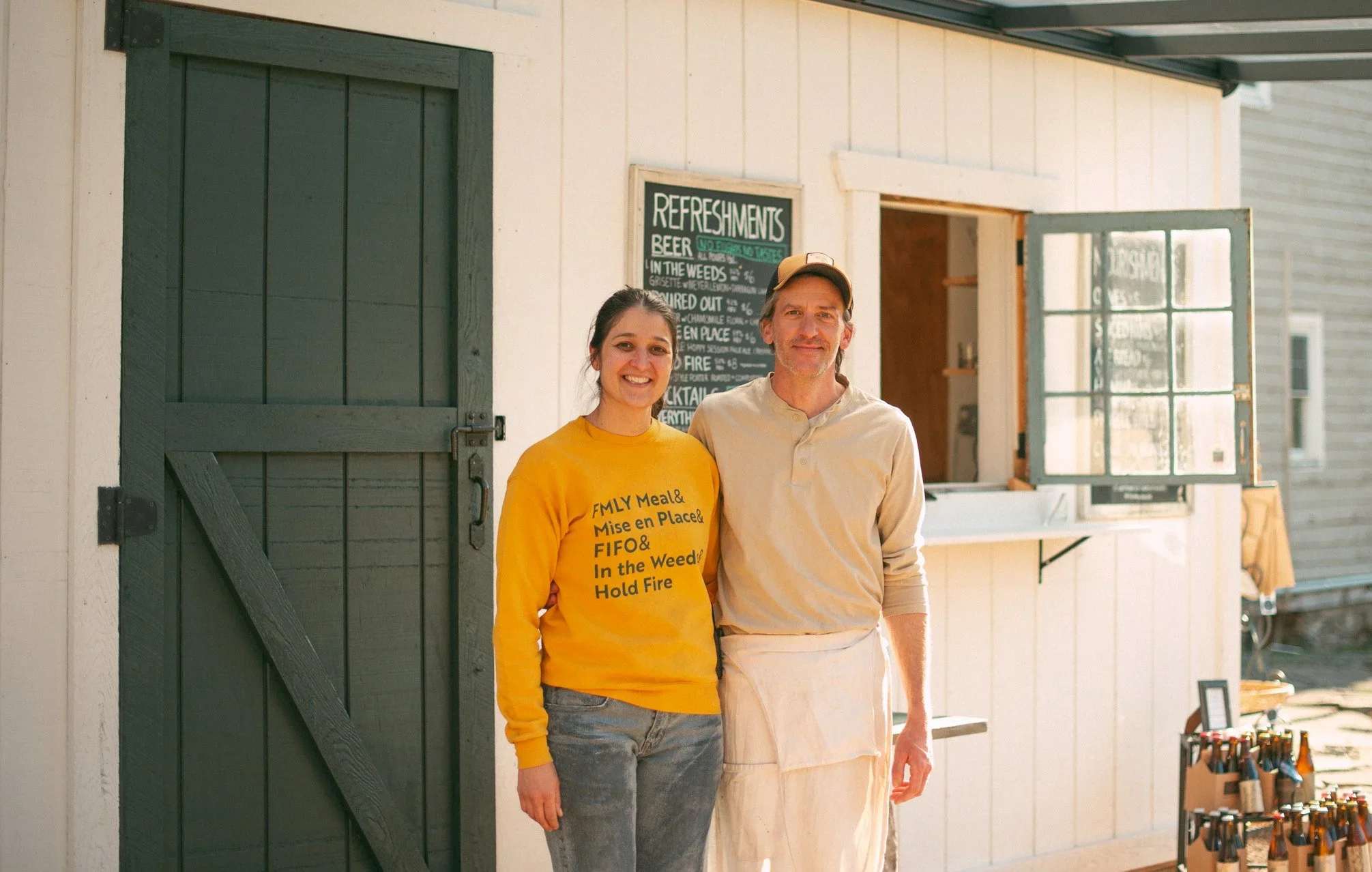
One of the main reasons people explore moving to Upstate New York is affordability.
In Schoharie County, cost of living is generally lower than in urban and high-demand regions, particularly when it comes to housing.
Key considerations include:
Home prices and property taxes (vary by town)
Utilities (electric, heating, internet)
Transportation (most residents rely on driving)
Groceries and everyday expenses
While costs are lower overall, they can vary depending on lifestyle, property type, and location.

What’s Different about living here?
Life here offers more space, but it also comes with tradeoffs.
You’ll likely drive more than you would in a city
Amenities are more spread out
The pace is slower and more seasonal
For many people, these differences are exactly what they’re looking for.But it’s important to understand them before making the move.
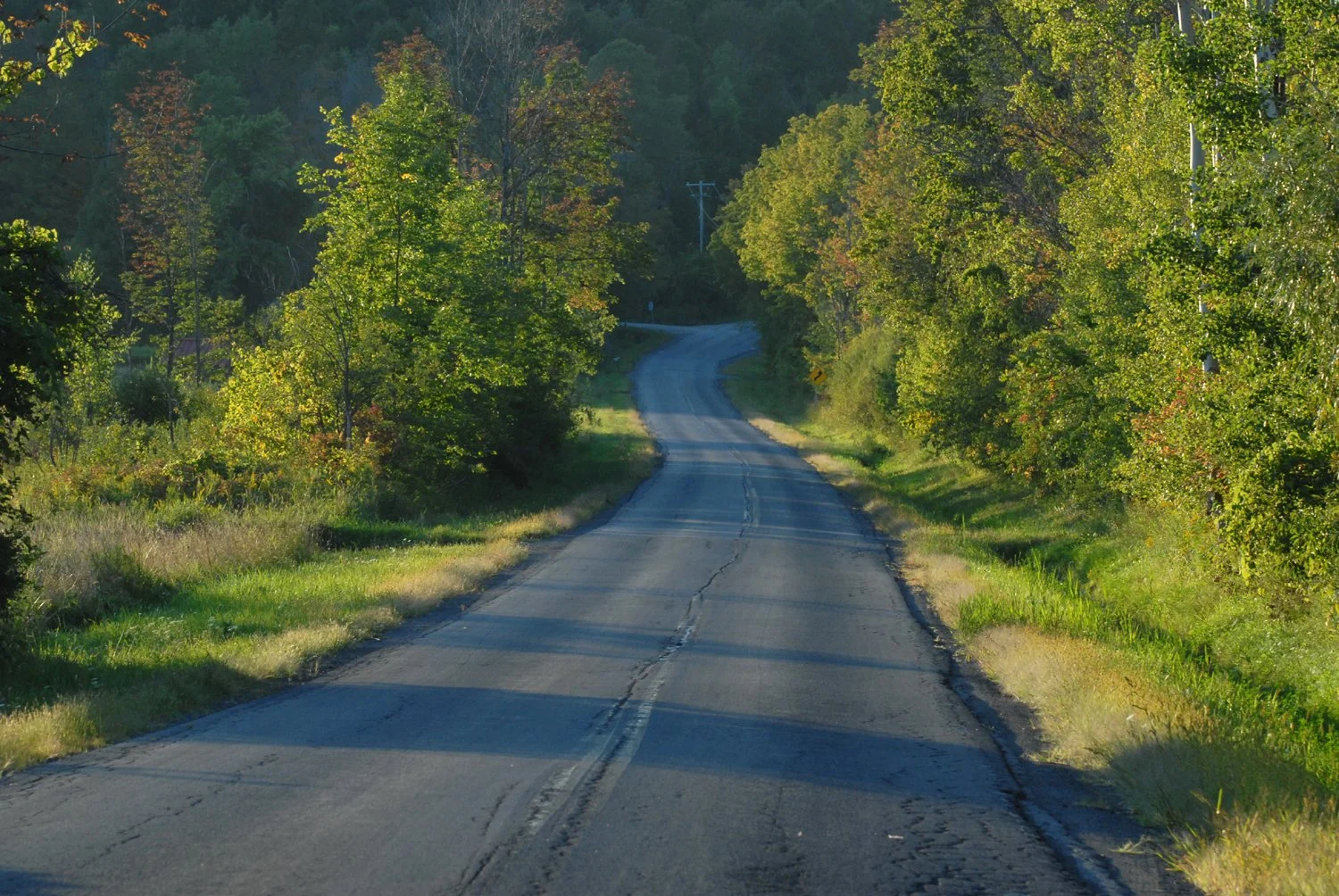
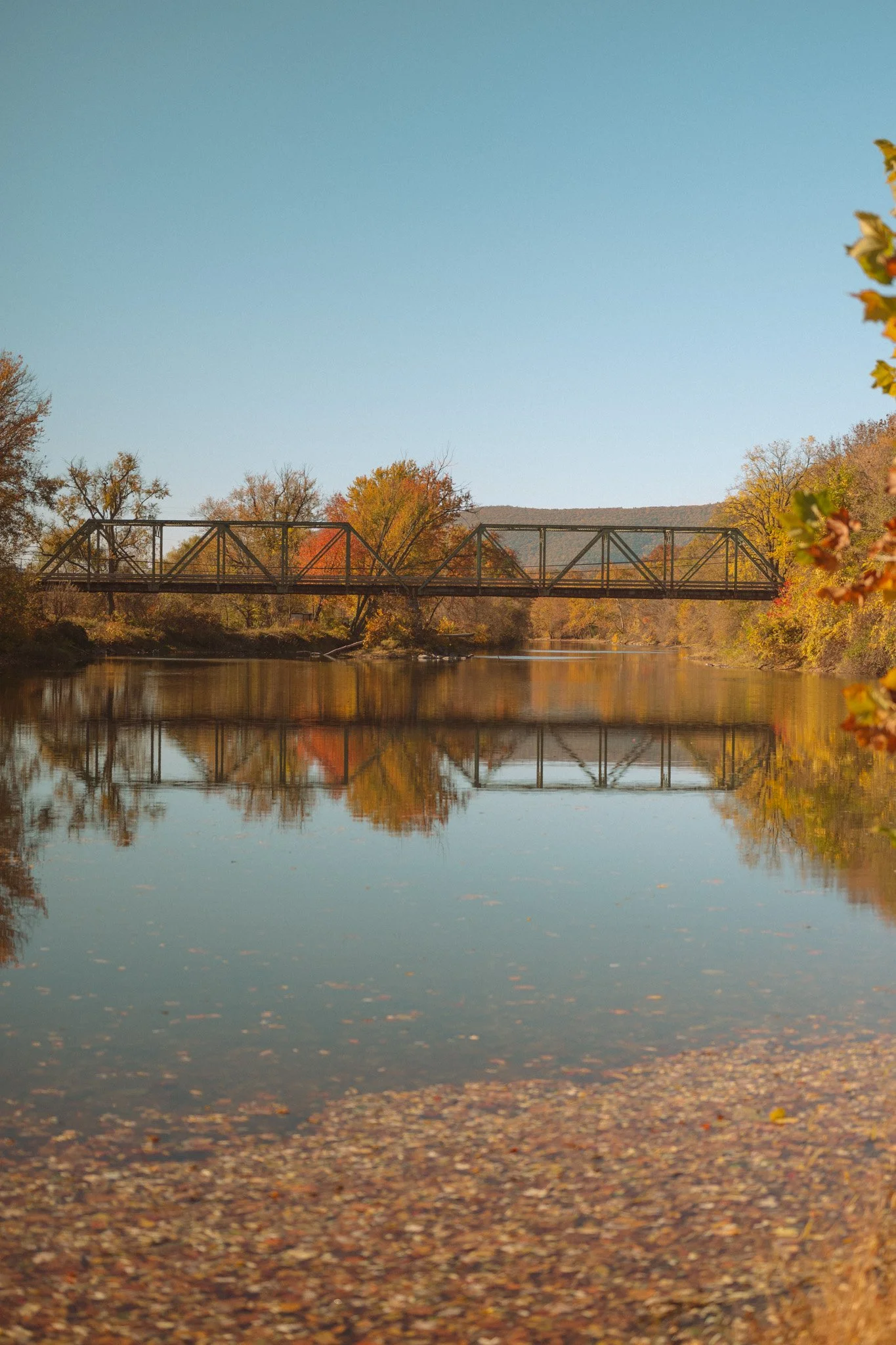
Living in Schoharie County means experiencing all four seasons.
Winter is real here, but so is the rhythm that comes with it.-
![]()
Spring
Planting, renewal, longer days
-
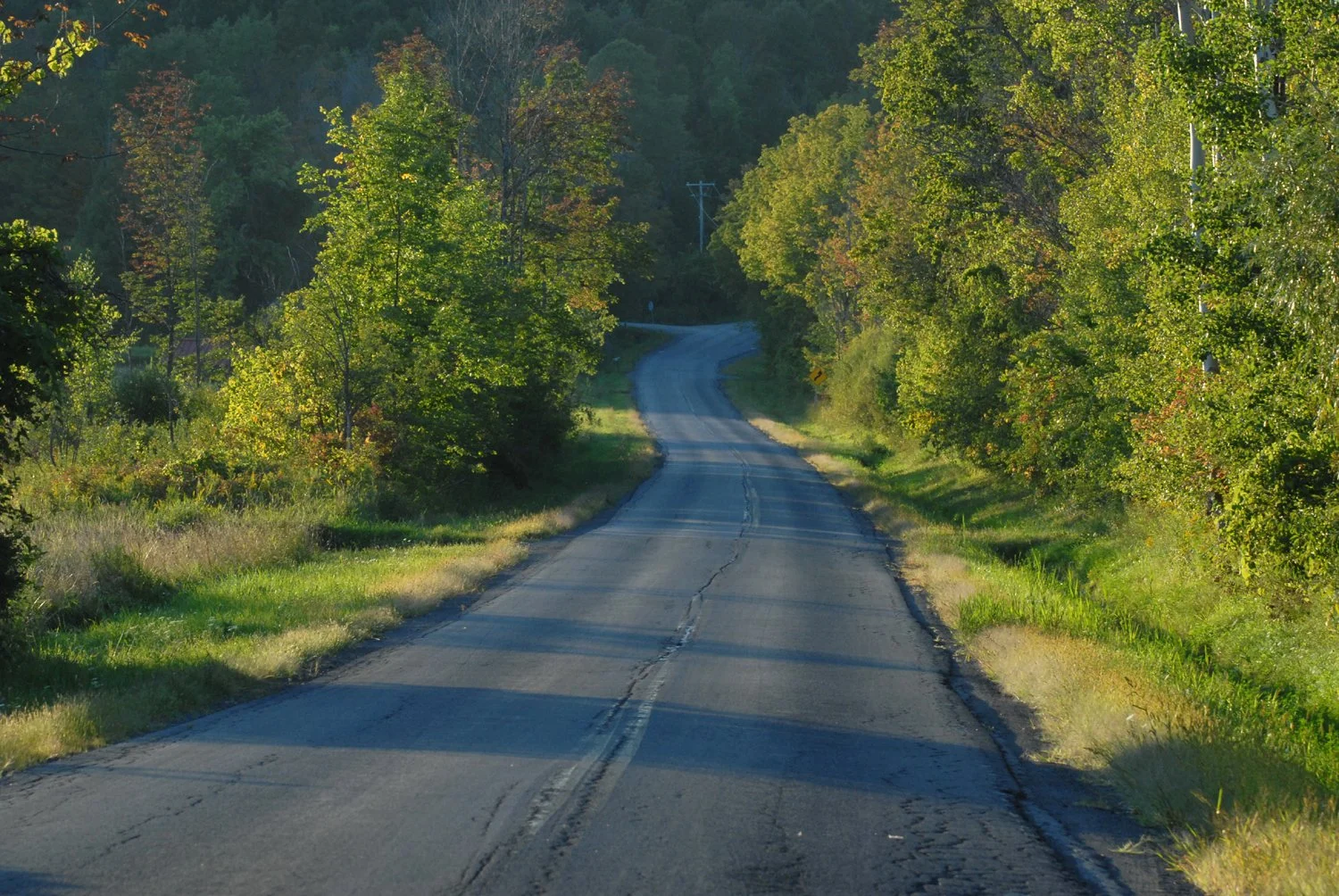
![A narrow, winding country road surrounded by lush green trees and grass, extending into the distance with a hilly background.]()
Summer
Markets, outdoor events, farms in full swing
-
![A calm river reflects autumn trees and a metal bridge under a clear blue sky.]()
Fall
Foliage, harvest season, cooler air
-
![Snow-covered stream under a snow-laden tree with a black cat walking on the snow near the water in winter.]()
Winter
Snow-covered landscapes, slower pace

Frequently Asked Questions
Still have questions? Take a look at the FAQ or reach out anytime.
-
Costs are generally lower than in urban areas, especially for housing. Property taxes, utilities, and transportation should all be factored into your overall budget.
-
Working with local real estate agents and monitoring listings is key. Inventory can be limited, so starting early and staying flexible helps.
-
Expect snow and colder temperatures during the winter months. With proper preparation and infrastructure, most residents manage comfortably, often hiring local services for snow removal and seasonal maintenance.
-
Schoharie County is a rural region made up of small towns and open land. While connected to the Capital Region, daily life is quieter and more spread out.
-
Schoharie County is served by Cobleskill Regional Hospital for emergency and routine care, along with local medical offices. Expanded healthcare services are accessible in nearby cities including Albany, Oneonta, Amsterdam, and Cooperstown.
https://www.bassett.org/locations/cobleskill-regional-hospital
-
The local economy includes agriculture, education, healthcare, and small business. Many residents also work remotely or commute to the Capital Region.
-
Yes, broadband is available in many areas, though availability varies by address. It’s important to confirm service before choosing a home.
-
The rural pace, fewer immediate amenities, and the need to drive are the most common adjustments. For many, these tradeoffs are part of the appeal, but they’re important to consider.
Take the next step toward building your life here.
Whether you’re just starting your search or ready to make a move, we’re here to help you navigate the process.