Jefferson, NY’s Voices From The Cemetery Takes The Stage.
Jefferson takes its history seriously, but also with a dash of whimsy. And it’s got plenty of both. History and whimsy.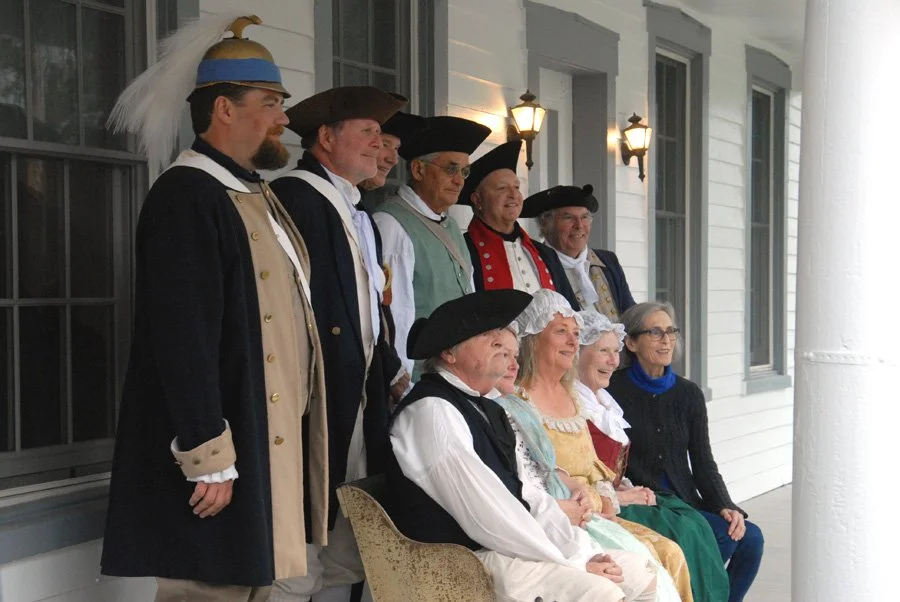
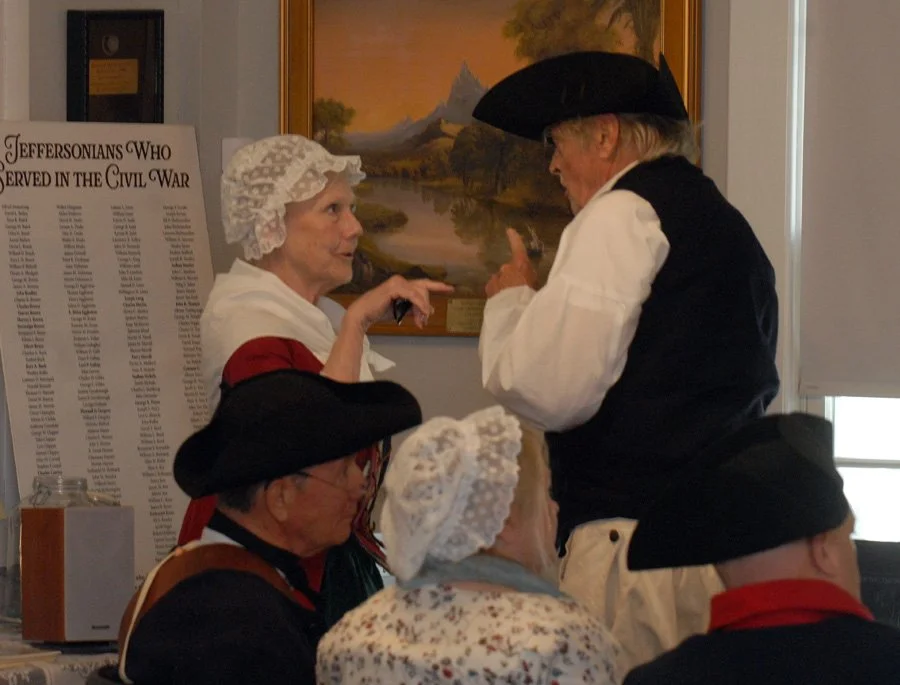
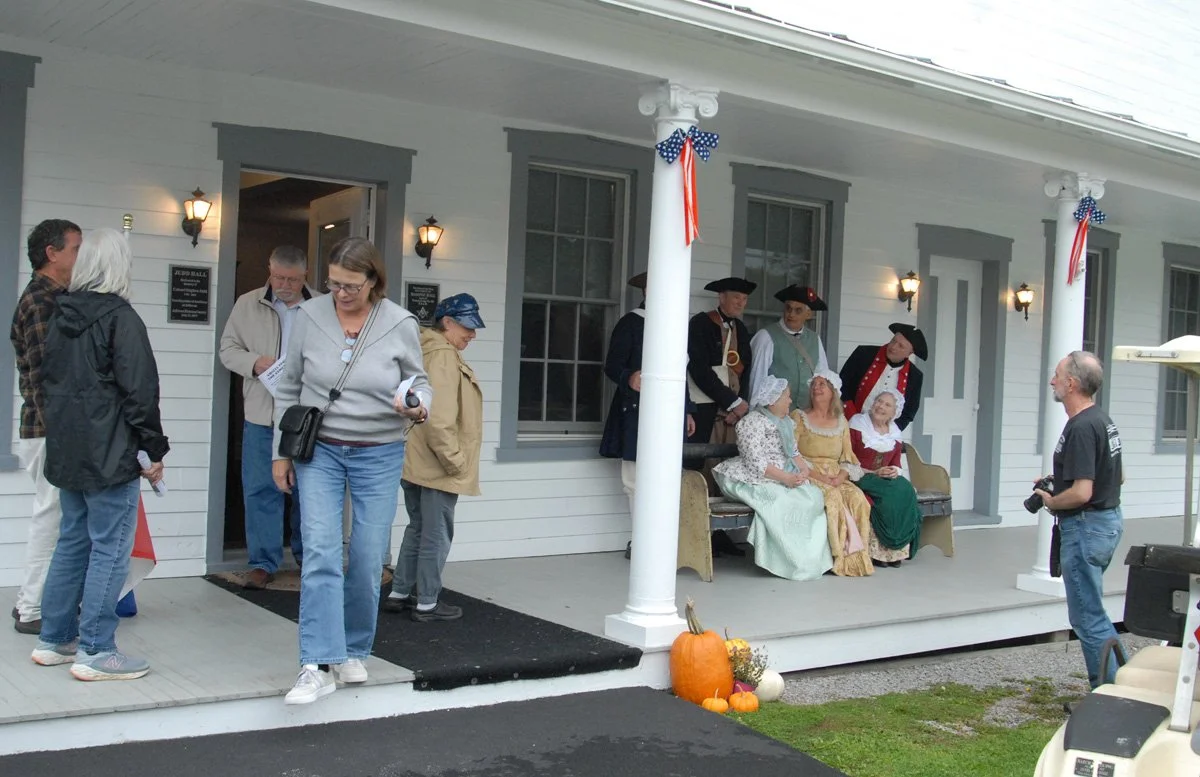
The Jefferson Historical Society’s Voices from the Cemetery cast poses for a photo.
Incorporated in 1803, Jefferson is one of the first Schoharie County towns you’ll hit when driving through Upstate NY, neighbor to Delaware County’s Stamford, Queen of the Catskills, with which it shares much of its past.
It’s long been irresistible to artists, farmers, and downstaters (and out-of-staters) looking for an affordable place to live and breathe. Many came here in the 70s and never left; others are homegrown.
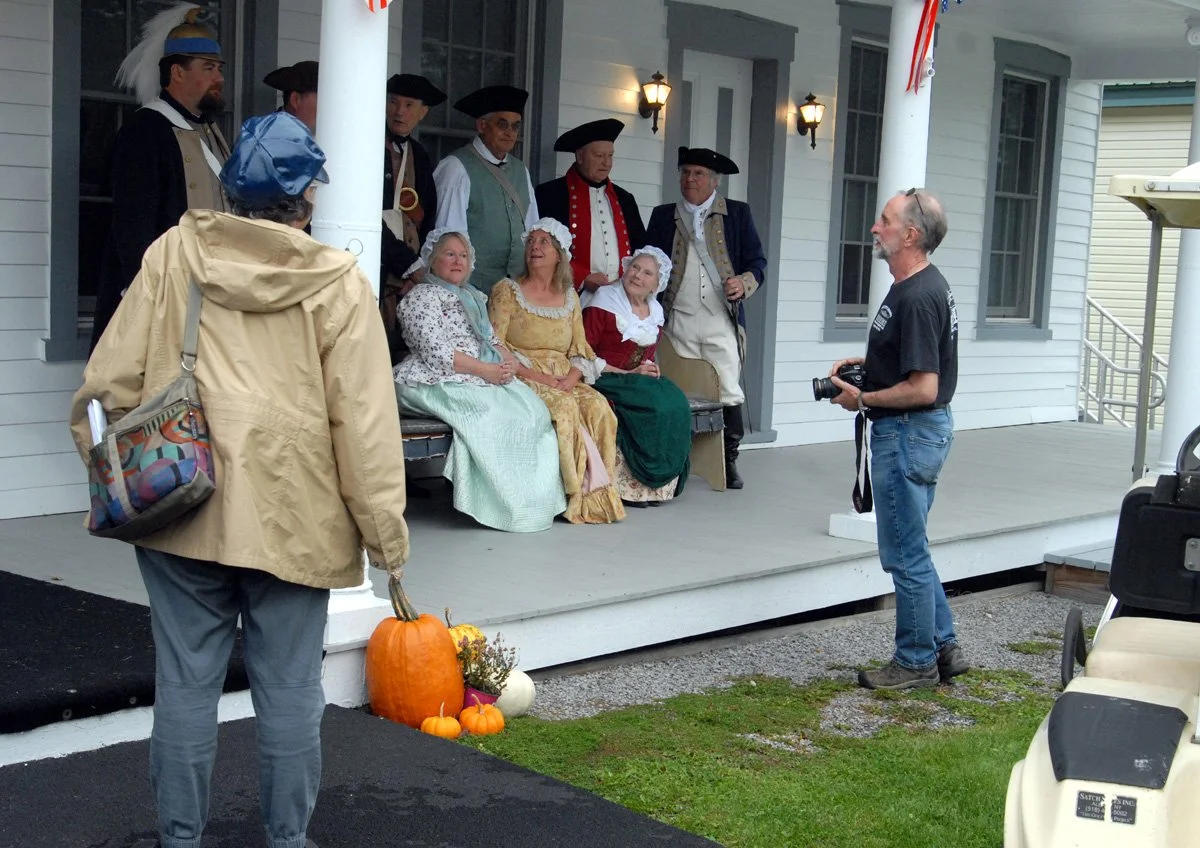
Jefferson Historical Society President Kevin Berner sets up the cast photo on the Judd Hall porch.
There’s even an old-fashioned Village Green, bordered (or nearly) by the Middle Brook Cafe, Heartbreak Hotel, Mill Pond Inn, Maple Museum, and the (coming-soon) Jefferson Art Room.
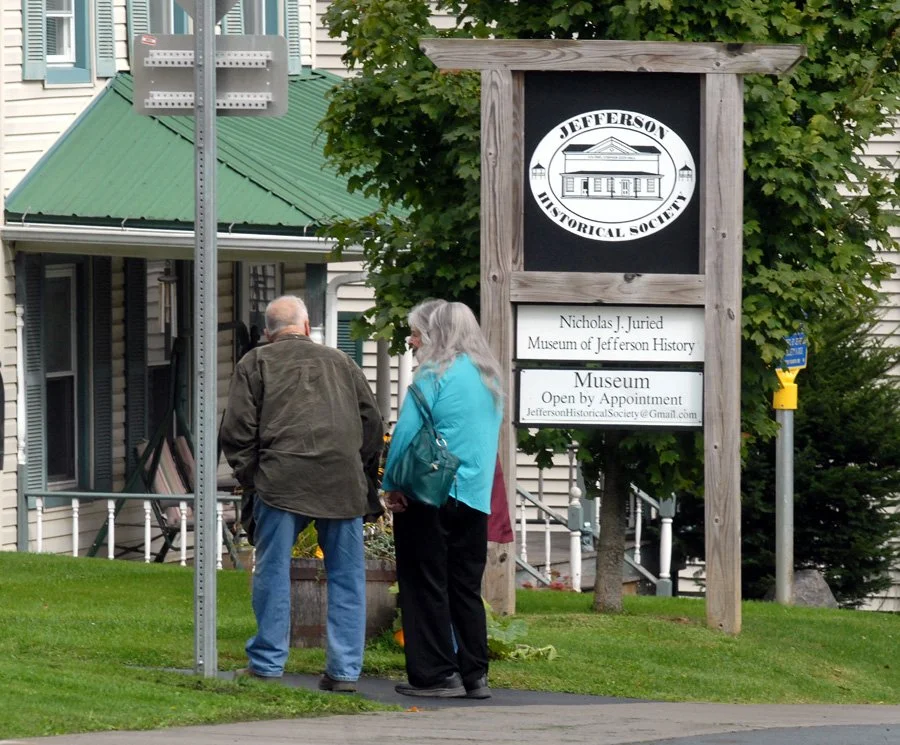
Front and center of it all is the Jefferson Historical Society’s lovingly-restored Colonel Stephen Judd Hall, community space for that history and whimsy.
Like Voices from the Cemetery: Dramatic Portrayals of Revolutionary War Veterans Buried in the Old Jefferson Burying Ground, profiles of 10 of the men who made Jefferson their home after helping America win its independence.
Delivered by costumed locals coached by a dancer who once toured the world representing the United States embassy it was part of the Jefferson Historical Society’s ongoing America 250 celebration..
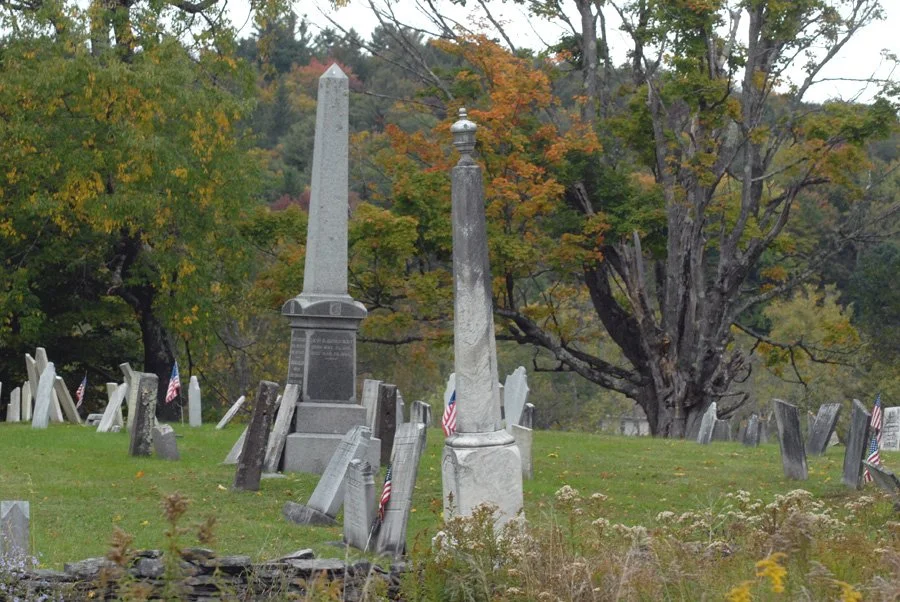
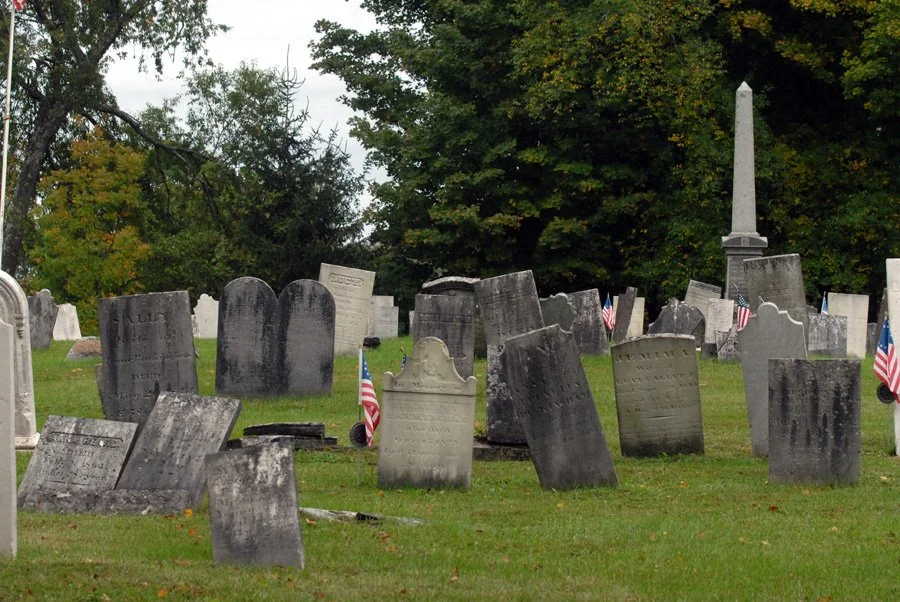
All 10, many with their wives and children, are buried in the Old Jefferson Burying Ground, a final resting place tucked down behind Main Street, 150-ish old stones remembering the families who helped build Schoharie County after making their way to Jefferson from Connecticut.
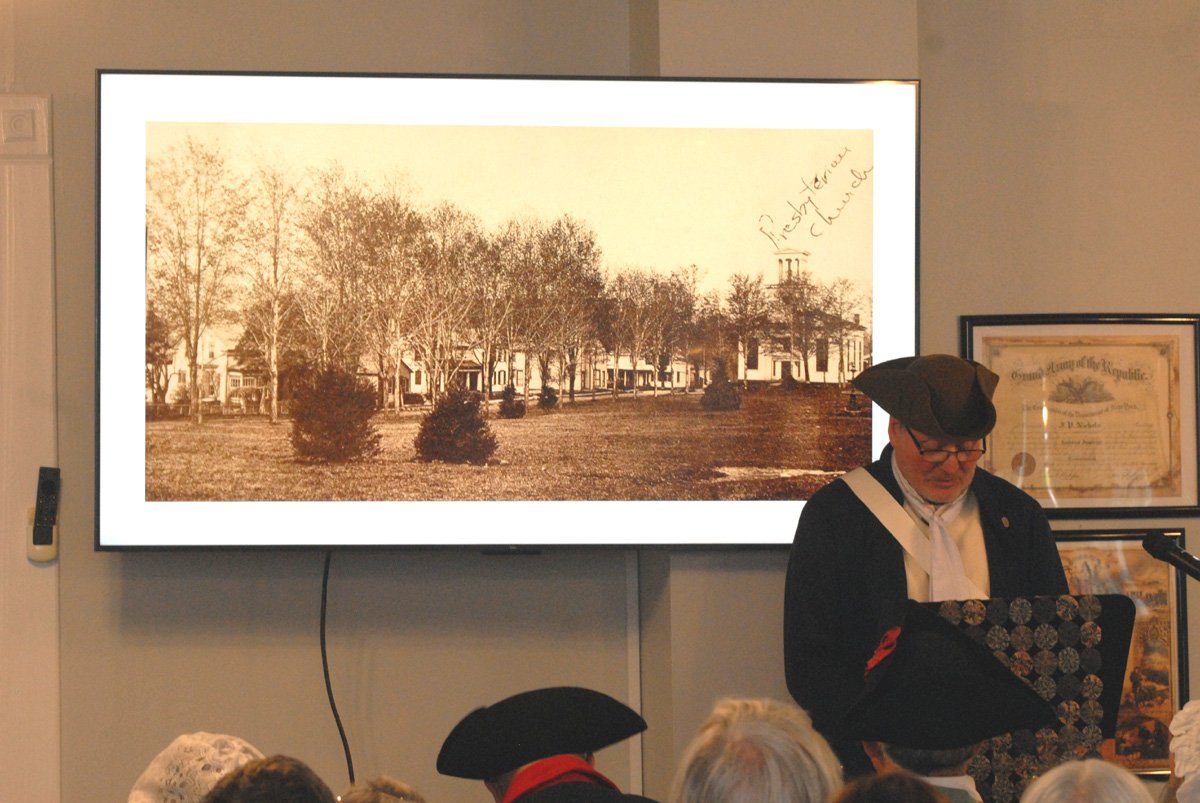
Joe Henry as William Judd.
After the Revolution was won, some went home for a while; others tried out Massachusetts or Vermont or even New York’s St. Lawrence Valley.
But like those who came after them, Jefferson was where they wanted to raise their families.
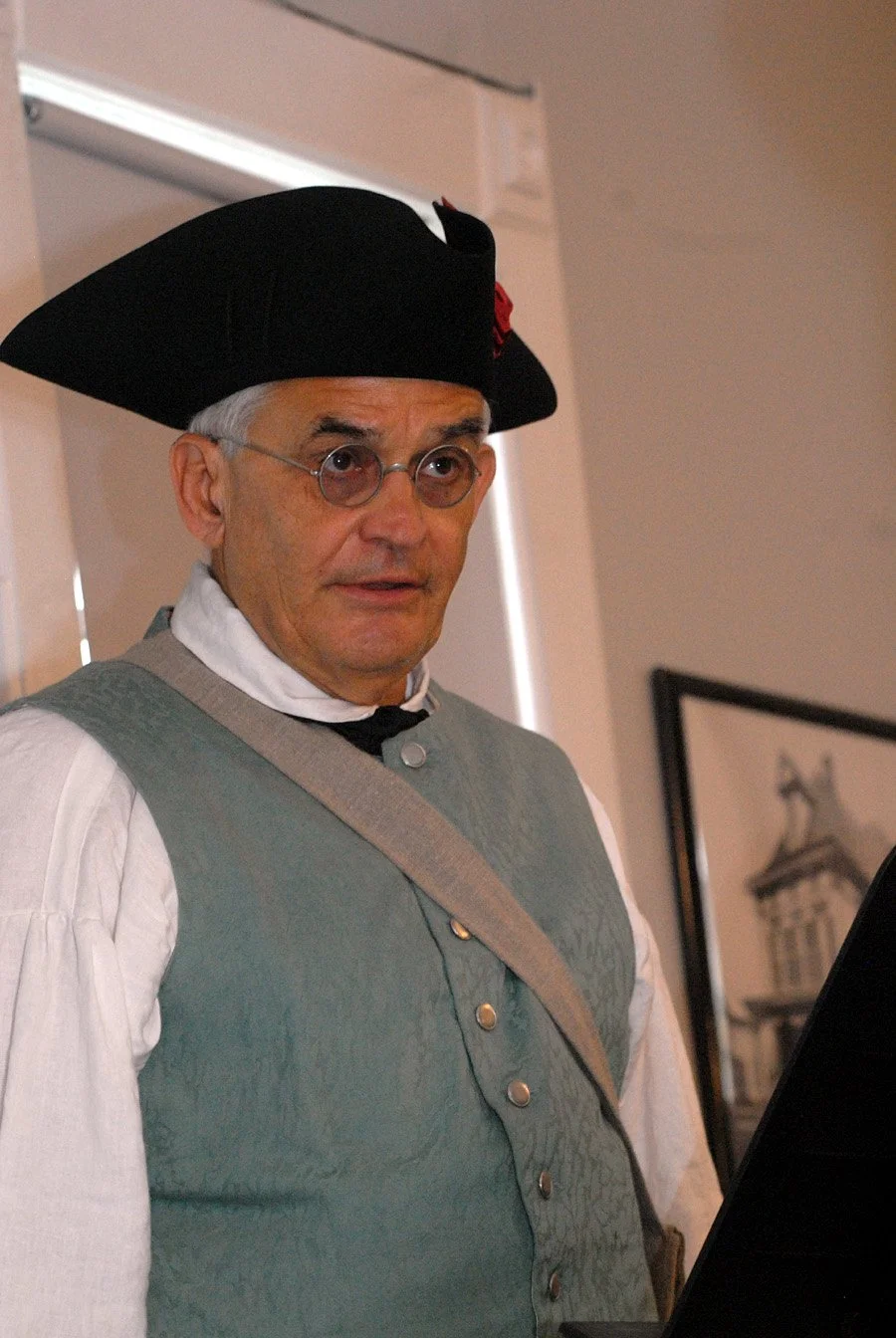
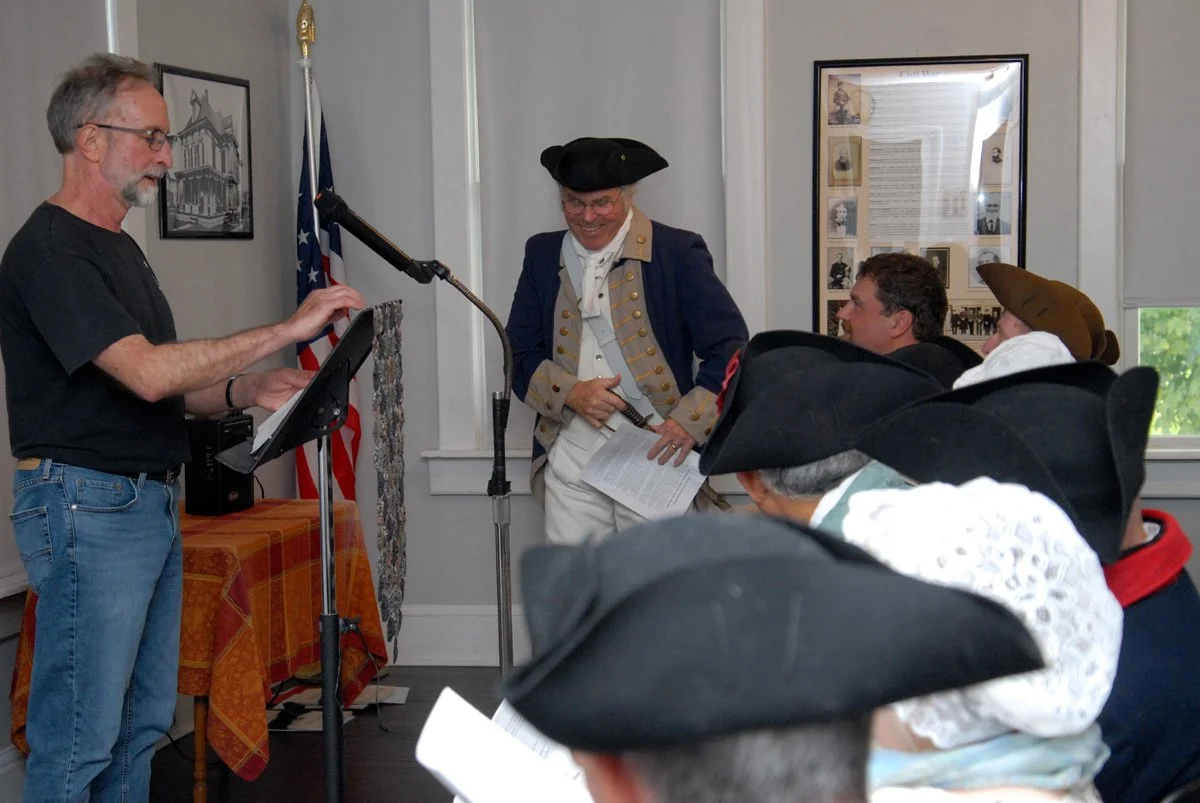
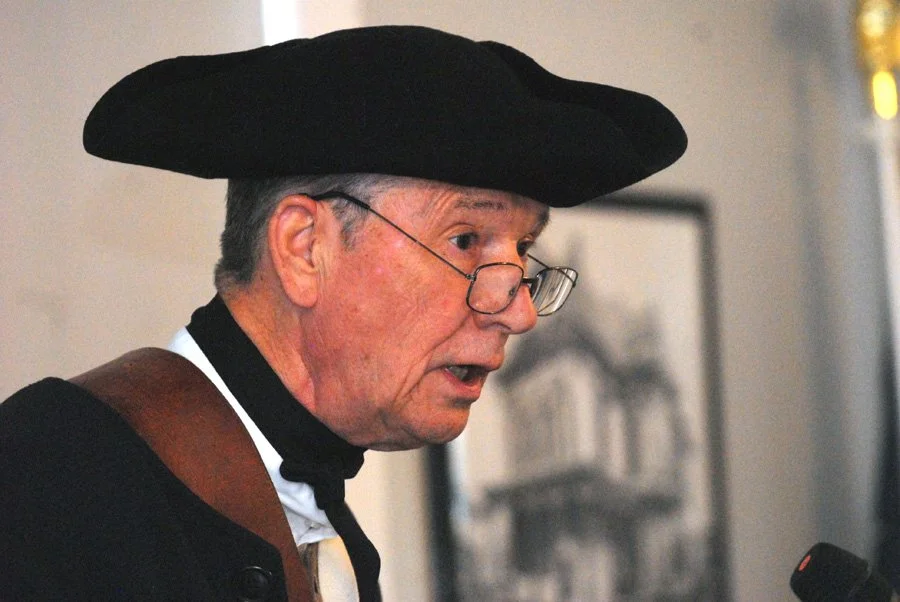
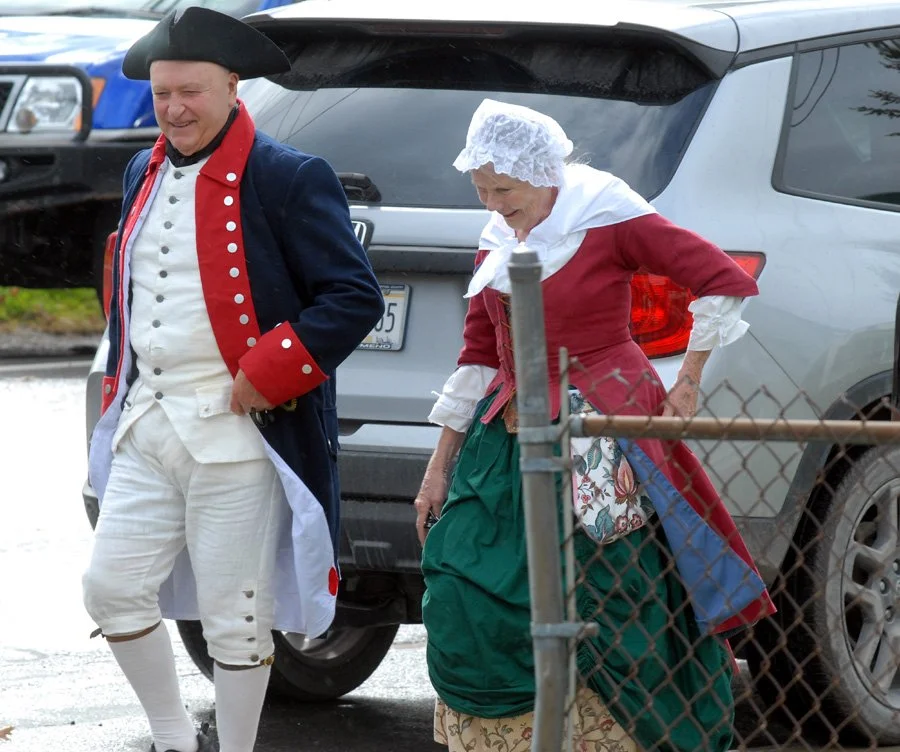
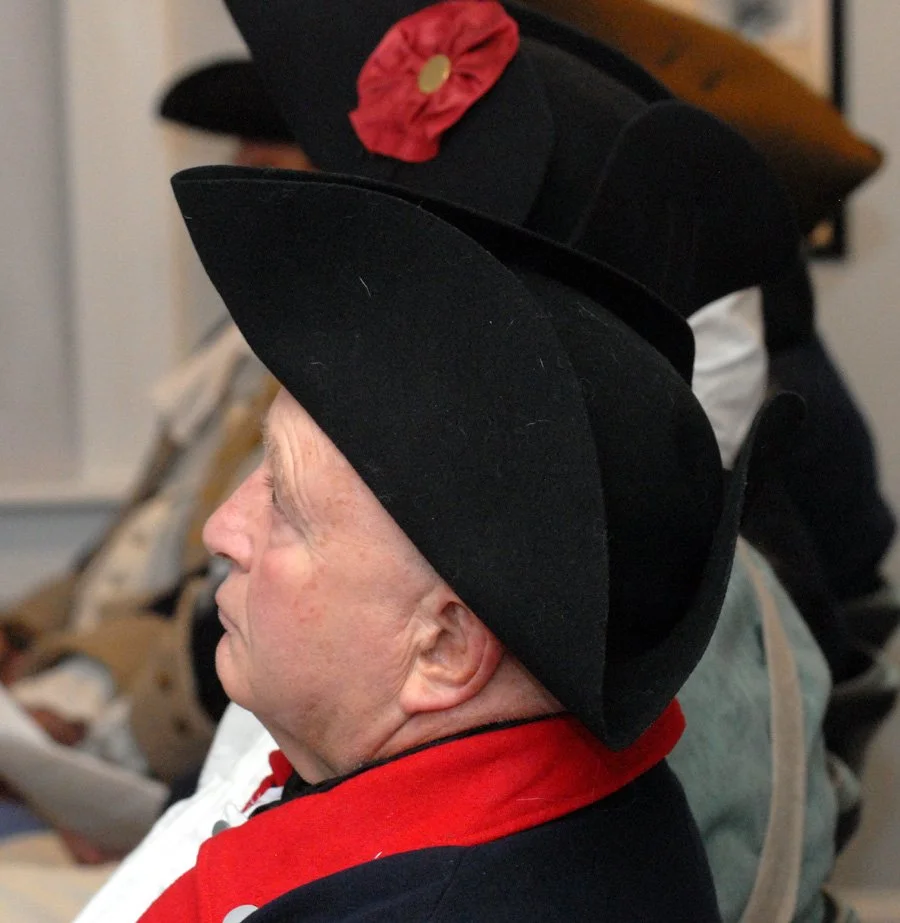
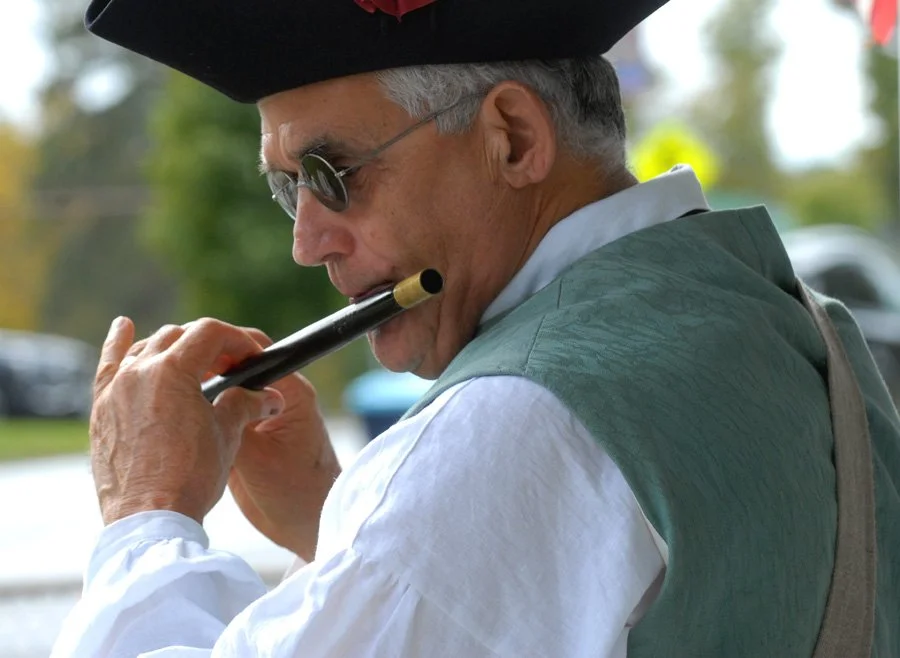
In tricorns and mop caps, in aprons, vests, and breeches, the actors (all amateurs) had professional coaching: Regina Larkin, manager of education programs for Symphony Space’s Global Literacy & Heritage programs in New York City. (Larkin moved to Jefferson in 1981 and for nearly 50 years, shared those talents through the Maple Leaf Dancers and a free summer dance program for local kids.)
Judd Hall is also home to the Nicholas J. Juried Museum.
The actors’ scripts were researched and written by Stephanie Ruquet, who died unexpectedly in July and Town Historian Bonnie Dailey. The event was funded by CREATE Council on the Arts.
Vets/cast (in order of appearance):
Demas Judd (1753-1841), played by Paul Trotta.
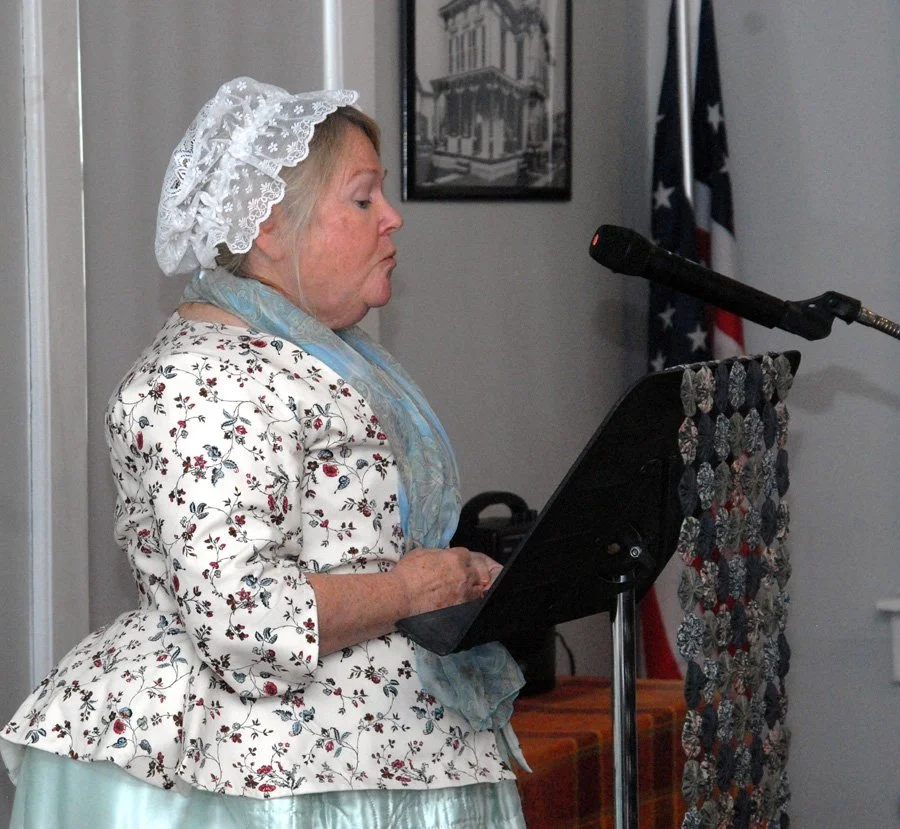
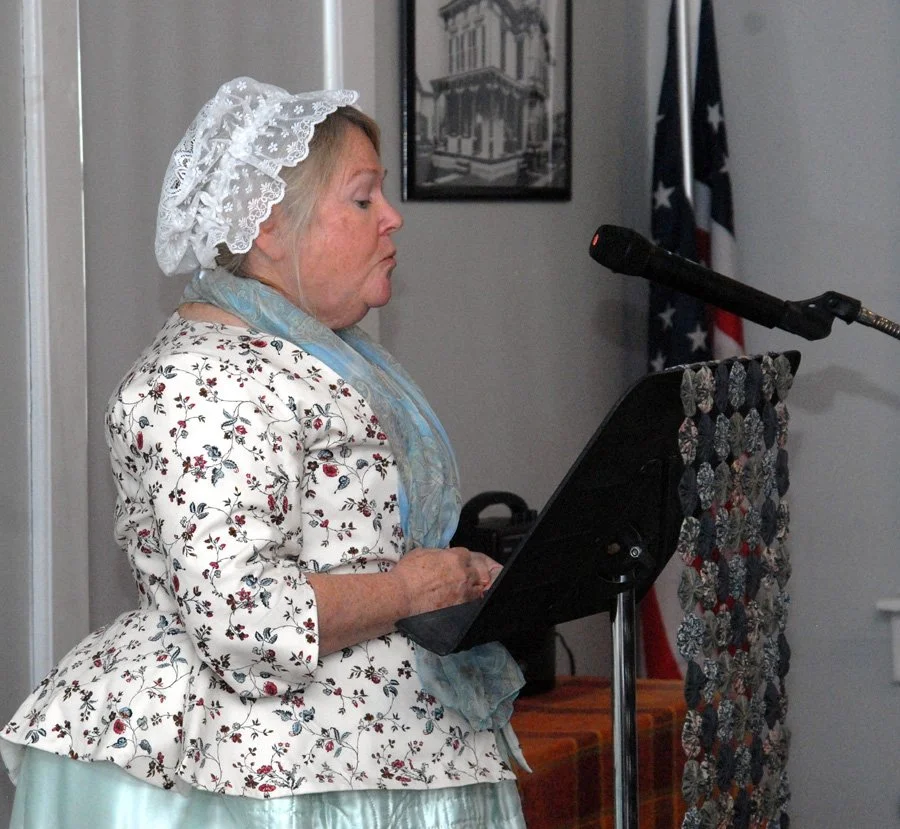
Pam O’Connor as Anne Welton shares the story of Anne’s husband, Epenetus Buckingham .
Epenetus Buckingham (1755-1829), and read by his wife, Anne Welton (1764-1030), played by Pam O’Connor.
Jess Atwood (1752-1836), played by Vic DiSanto.
Nathaniel Merrill (1756-1823), and read by his wife, Mary Pardee (1759-1832), played by Bonnie Dailey.
Levi Gallup (1760-1850), played by Jim Wolford.
Eliphalet Clark (1750-1837), and read by his wife, Lydia Thomas (1762-1836), played by Kathy Bulka.
Issac Patchin (1763-1834), played by Ted Shuart.
William Judd II (1758-1839), played by Joe Henry.
Aaron Stevens Jr. (1762-1831), played by Phil Dolensek.
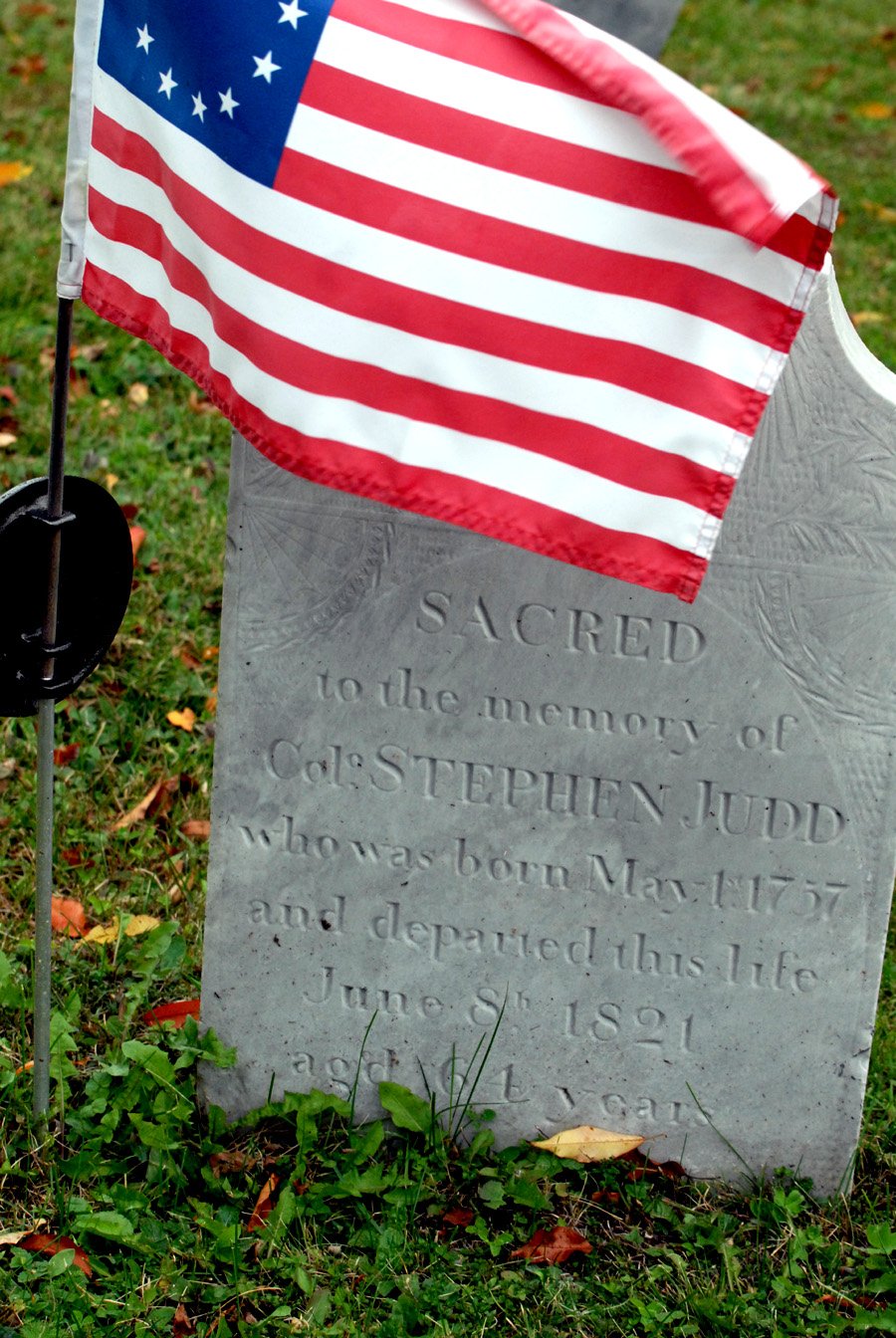
Col. Stephen Judd (1757-1821), played by Bob Glas.
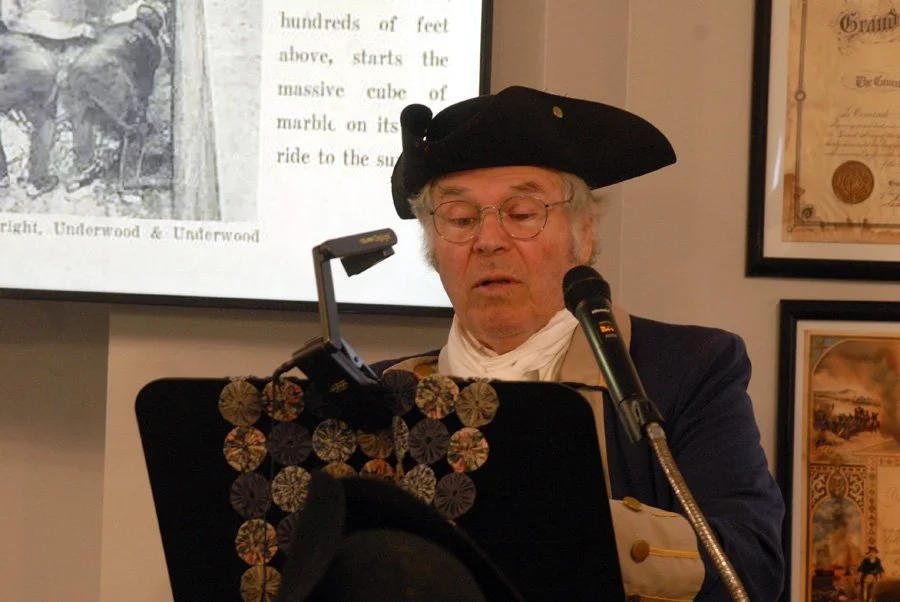
If anyone stole the show, it was Glas, recounting a falling out with his brother after the two established a marble mining company in Middlebury, Vermont in 1806–and it went bankrupt. The two later reconciled, and are “All resting peacefully in one straight row,” under marble stones from that quarry. “We’re buried together.”
You could hear a pin drop as the actors spoke of multiple enlistments and of months spent as shackled POWs on British ships and recalled clashes like the Siege of Boston and the Battle of Long Island, captures and forced marches, serving under Benedict Arnold, George Washington's arrival a critical moment, and the turning point of the war, and it was eerie to hear them tell of their own deaths…ghosts from the past.
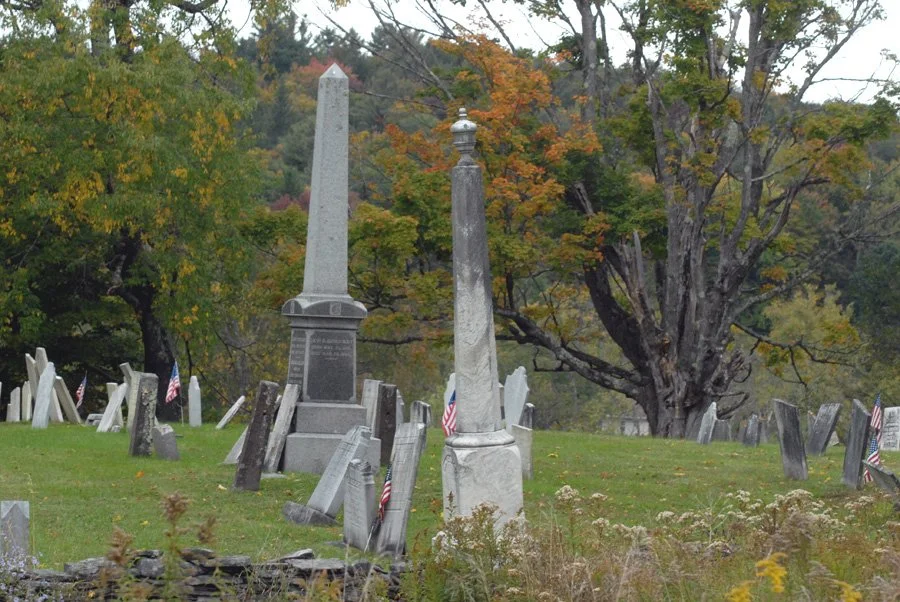
The Old Jefferson Burying Ground, tucked down behind Main Street, is 150-ish old stones remembering the families who helped build Schoharie County after making their way to here from Connecticut.
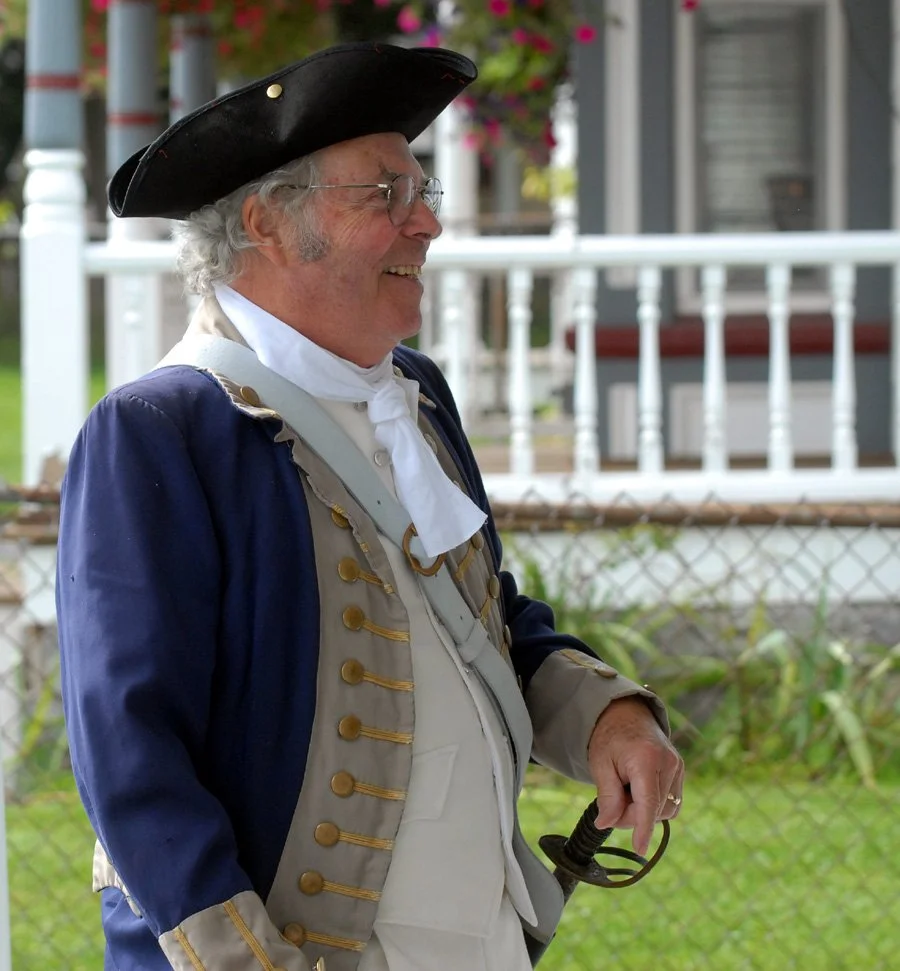
Bob Glas as Col. Stephen Judd.
Kevin Berner, who traces his family’s roots to Jefferson, is president of the Historical Society. “We don’t want to forget all they went through,” he told the audience.
DiSanto/Atwood: “We had the British surrounded.” And sadly, “This is my gravestone. As you can see, I am all alone.” Because wives sometimes moved on. To other husbands or their children’s homes somewhere else.
Dailey/Pardee: The second wife of Nathaniel Merrill,” “His children became mine.” And “We rest together in the Old Jefferson Burying Ground.”
Wolford/Gallup: "When the war broke out, most able-bodied men, they joined the militia. They wanted to fight the British.” And, “I can honestly say my brothers and I helped make Schoharie County the beautiful place it is today.”
Dolensek/Stevens: “In Yorktown, I witnessed the British laying down their arms.”
It’s hard to imagine now, but in those days, Jefferson was considered the frontier, said Shuart, who’s also Schoharie County historian, and even though land was cheaper, living could be hard. Though the Judds were successful and wealthy–donating land for the first school–other veterans and their families often survived on grit and determination.
Bulka/Clark spoke of “living in reduced circumstances” before qualifying for a federal pension of $8/month. “That money, that small amount, helped sustain us for 20 years.”
Who knows where—or what—we’d be now without them all.
Voices from the Cemetery brought the nation's history home and it’s just one of a bunch of events honoring America’s 250.