Building Smarter Rural Communities: How Schoharie County is Shaping Its Tech Future
From disaster recovery to broadband, co-working, and high-tech innovations, Upstate New York is proving rural economies can thrive in the digital age.
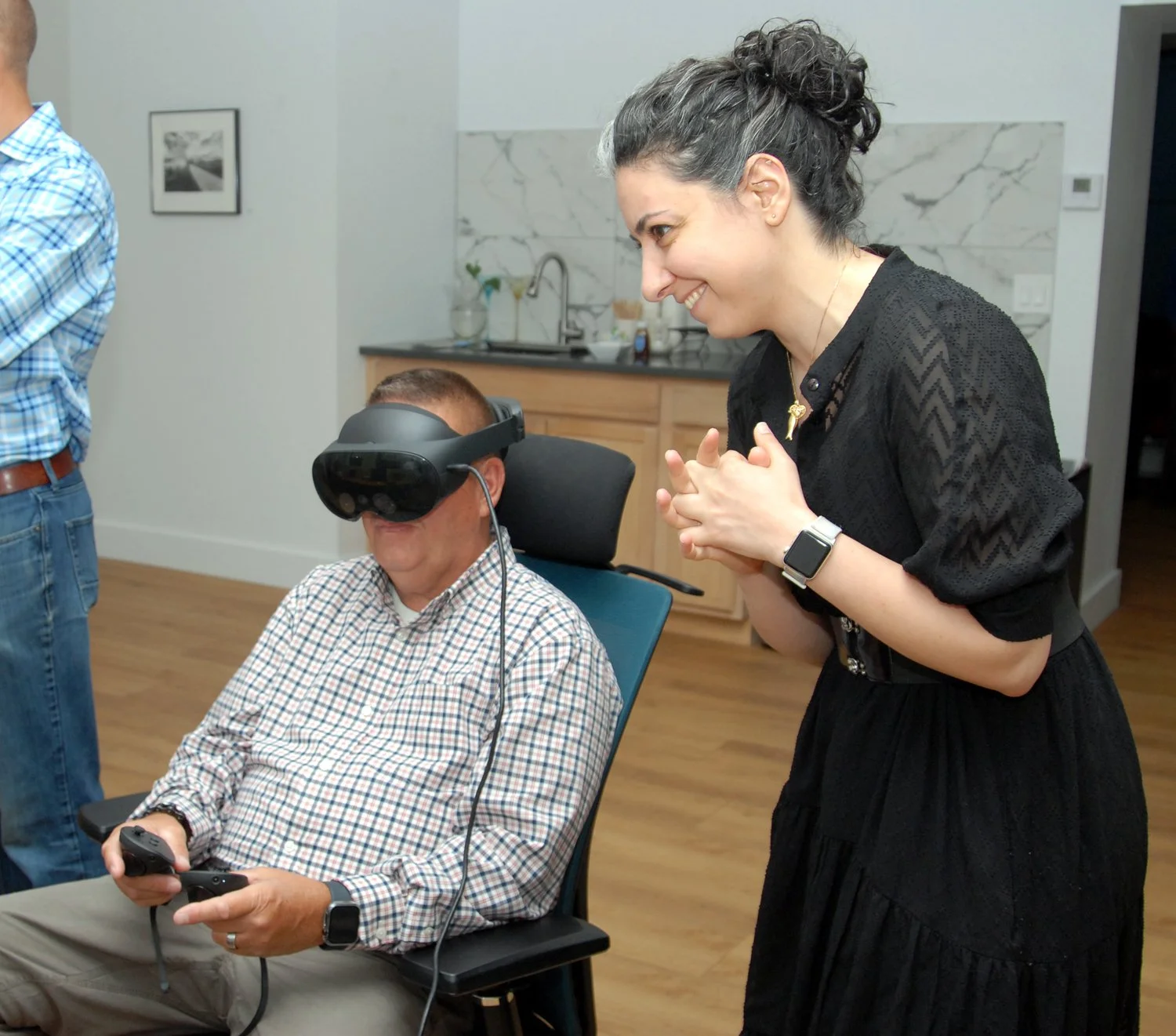
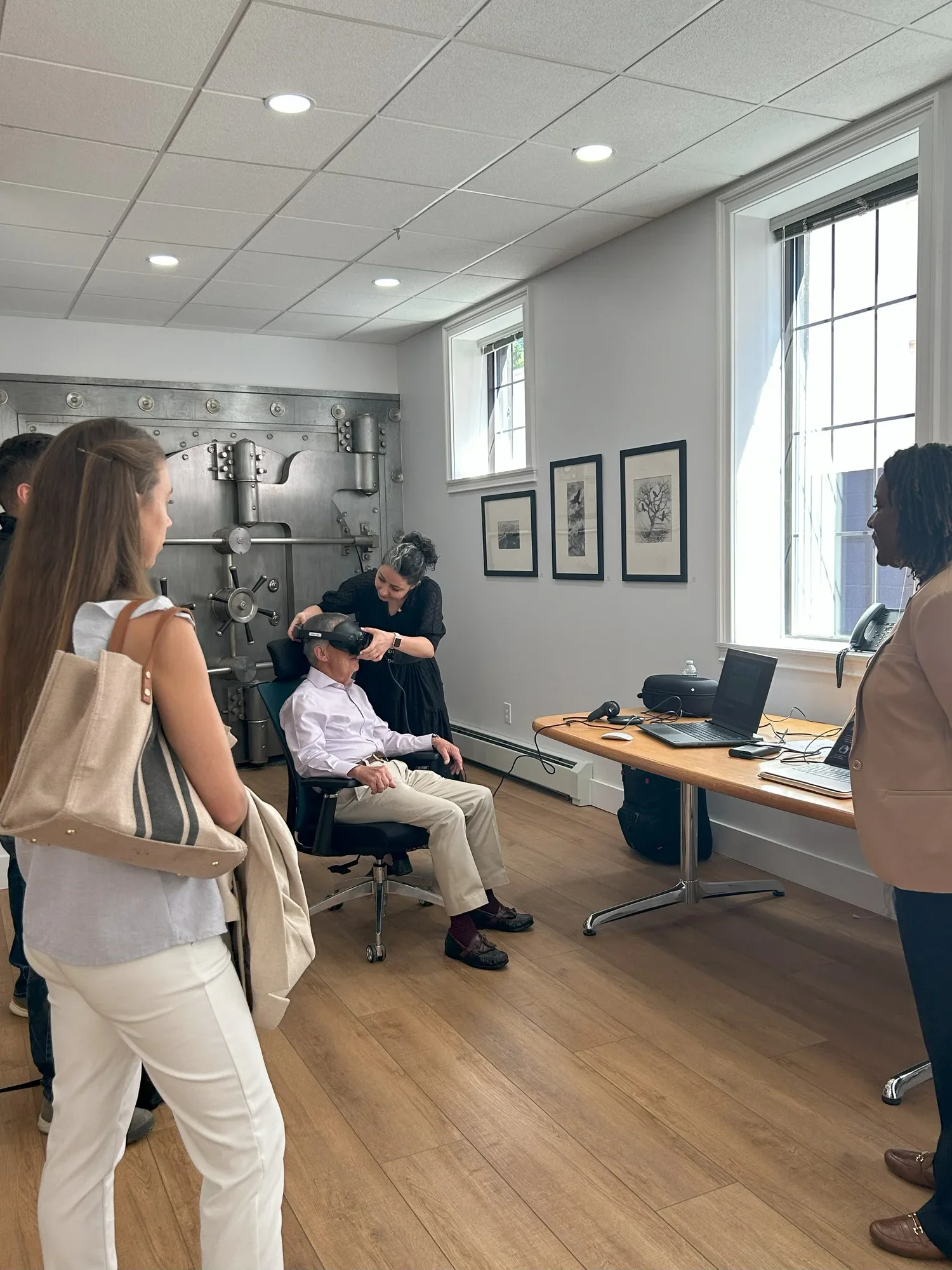
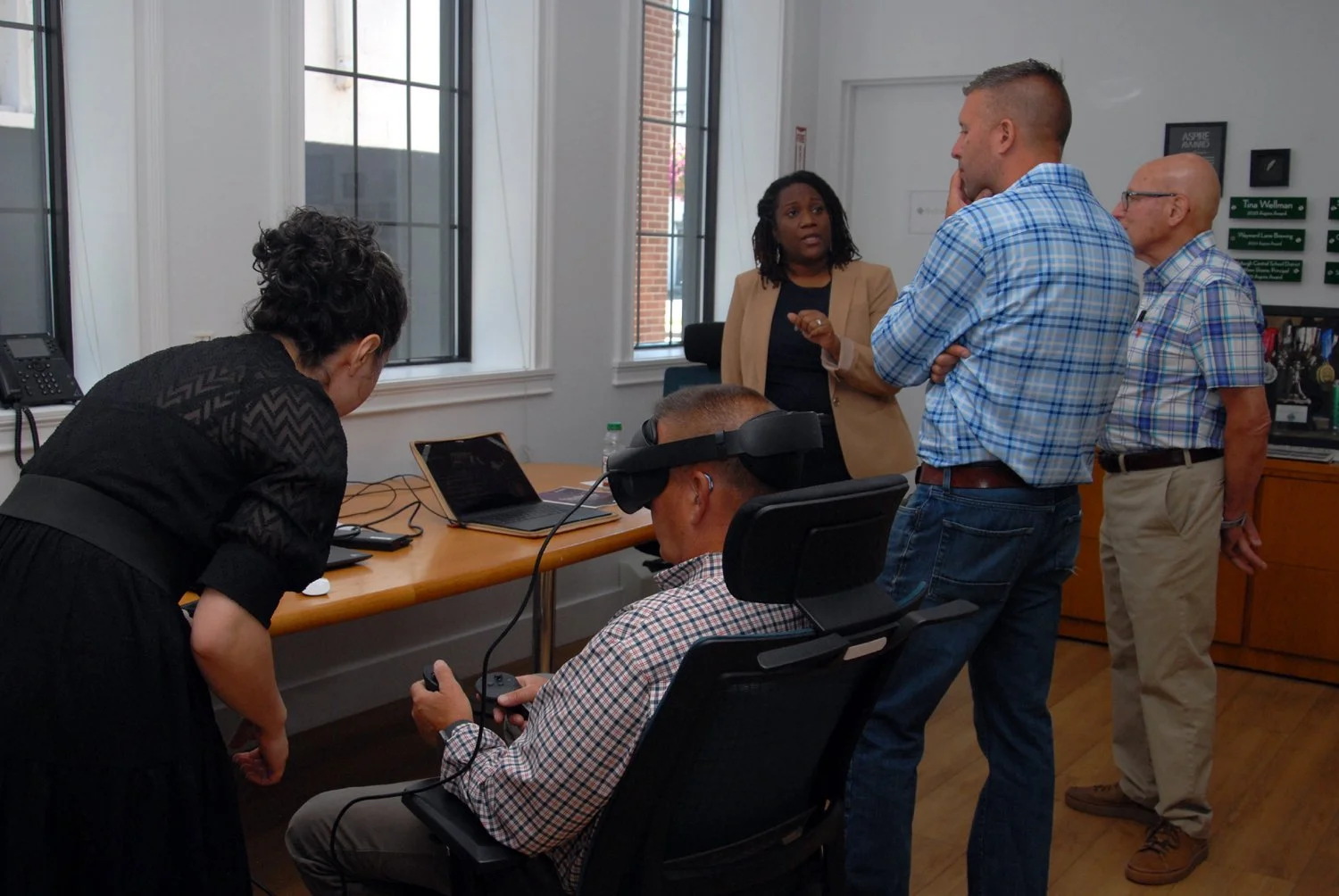
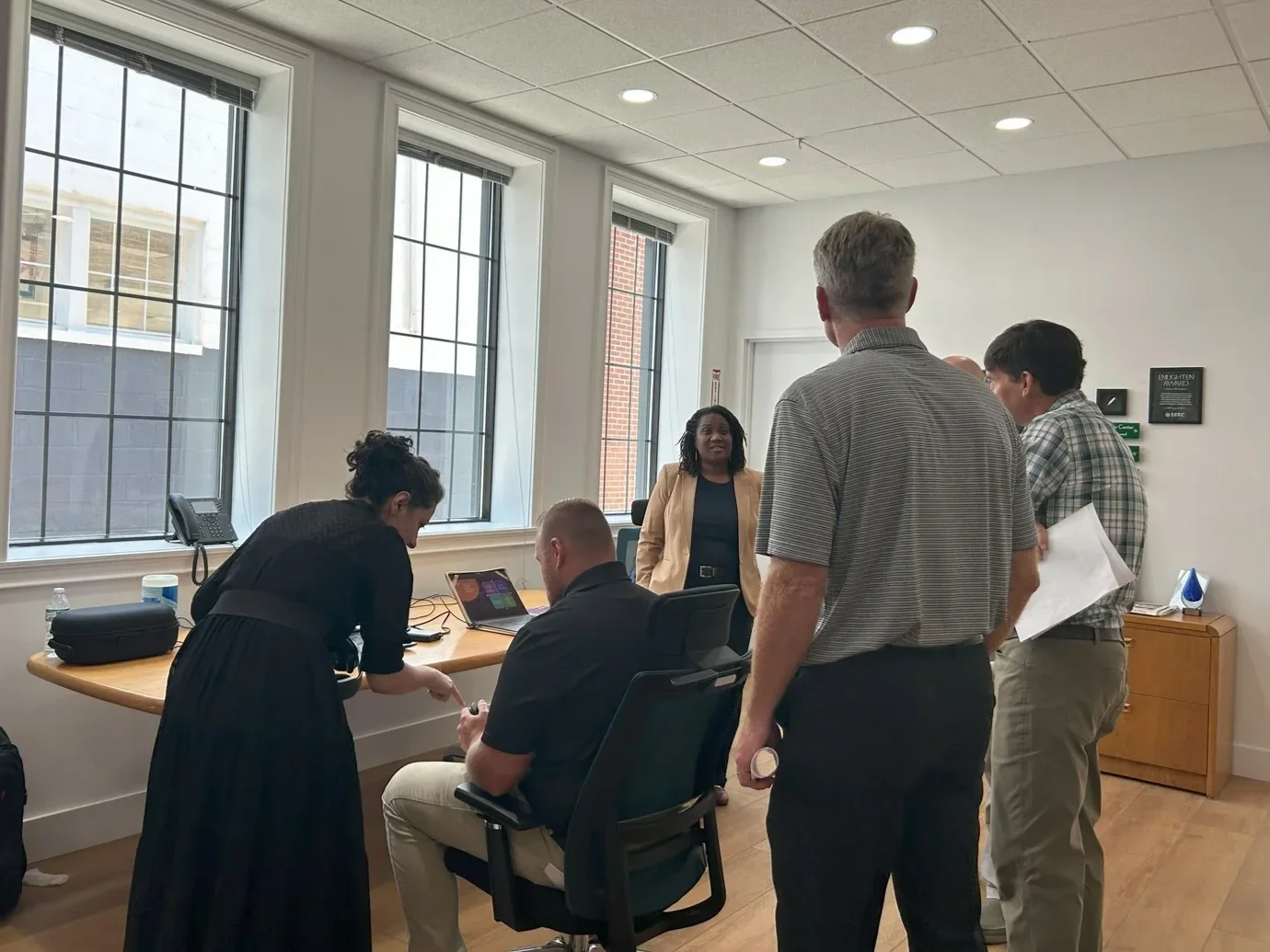
UAlbany PhD student Masha Goodarzi coaches Schoharie County EMO Director Mike Hartzel through the “All Hazards” game.
In 2011, Hurricane Irene nearly washed Schoharie County away. Then COVID exposed what had become a dangerous digital divide. Local leaders realized they couldn't wait for outside help—so they created their own.
Enter SEEC (Schoharie Economic Enterprise Corporation), launched in 2019 to rebuild stronger and smarter. In just a few years, SEEC has revitalized Main Streets through local grants, created a vibrant co-working and art space at 287 Main Street in Schoharie, and forged partnerships with young entrepreneurs, arts organizations, and generational farms and businesses.
Now they're working with local government to bring broadband to everyone. And this summer, they proved rural communities don't just need technology—they can help shape it.
Bringing the Lab to Main Street
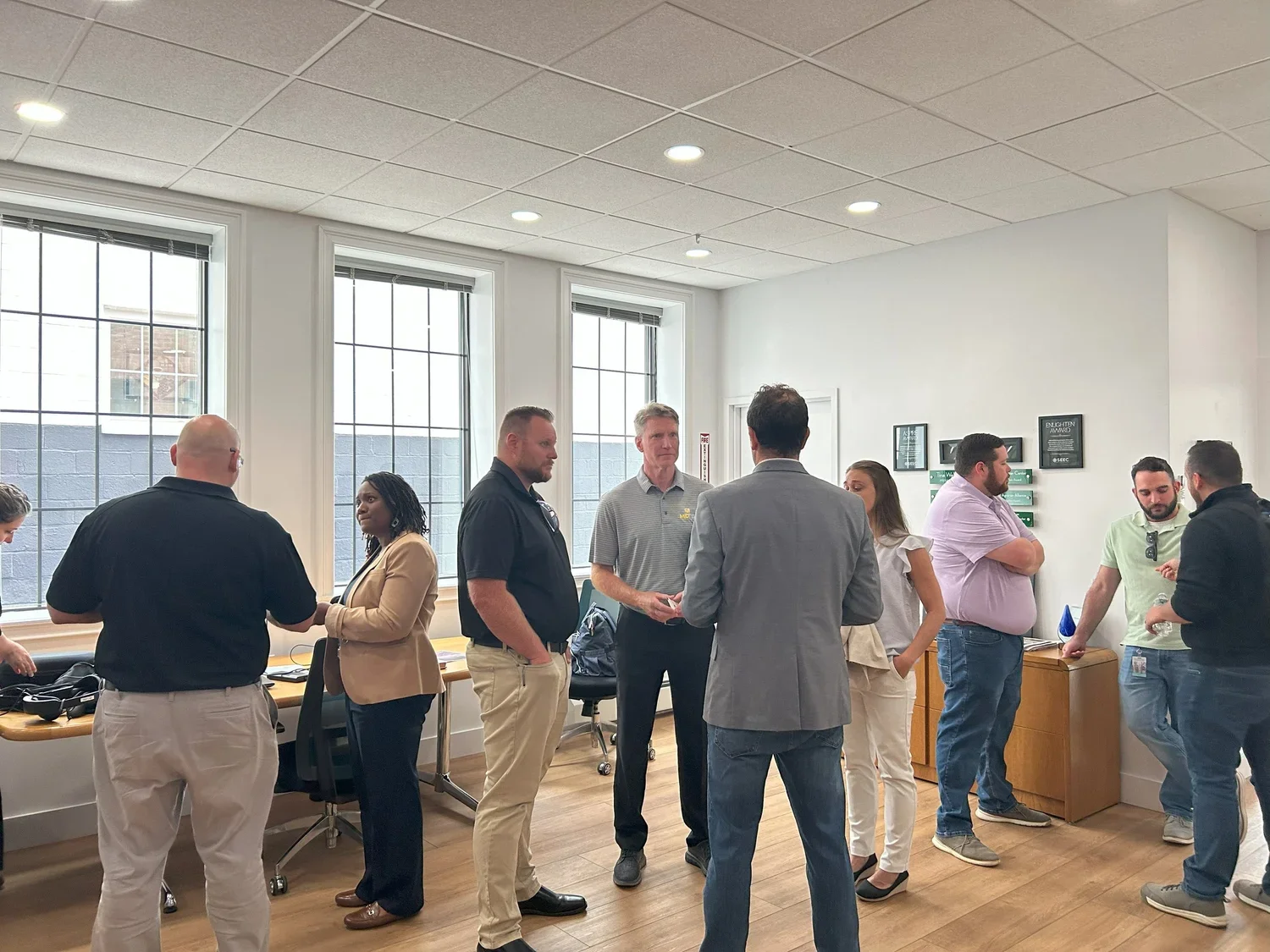
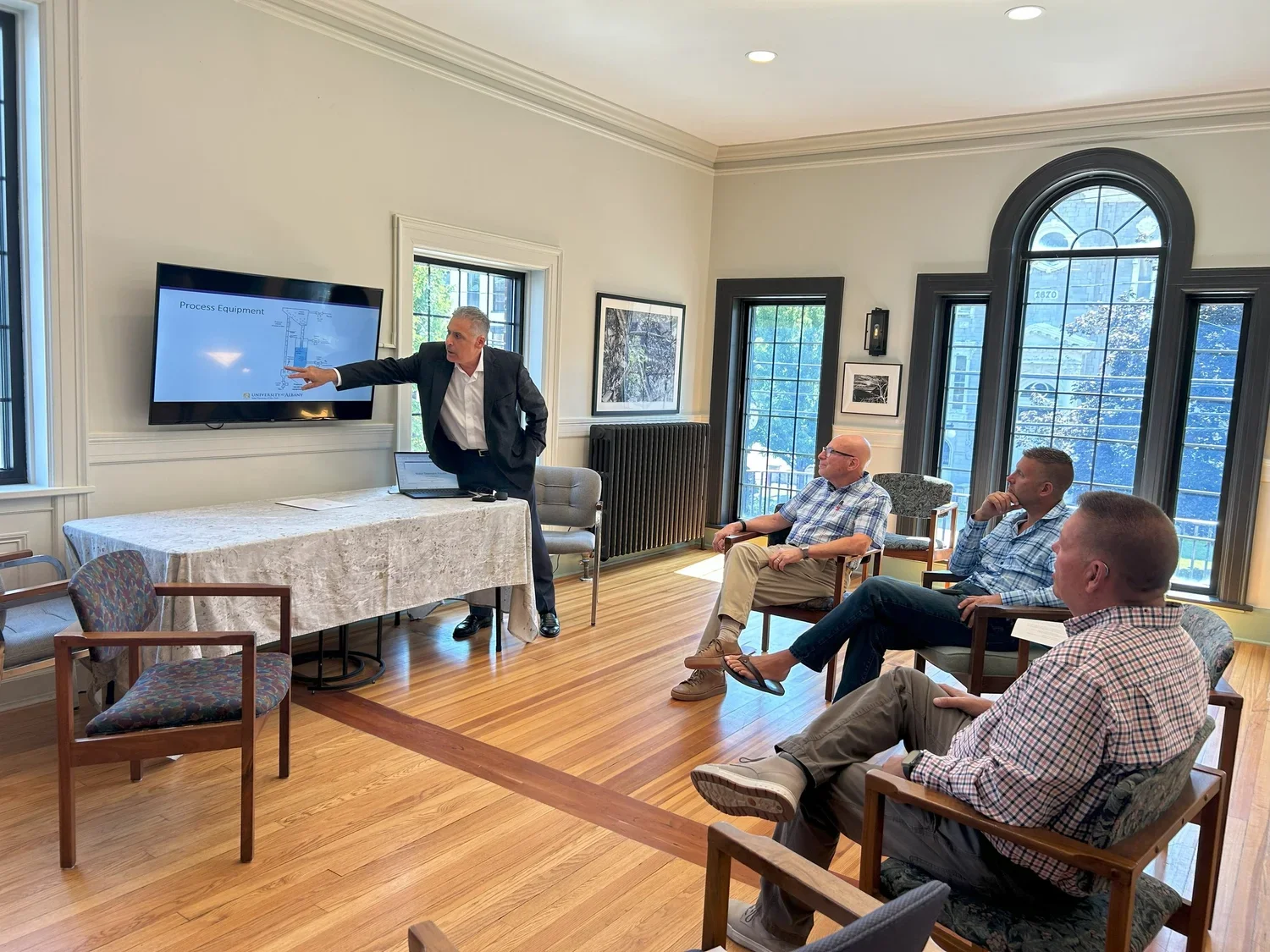
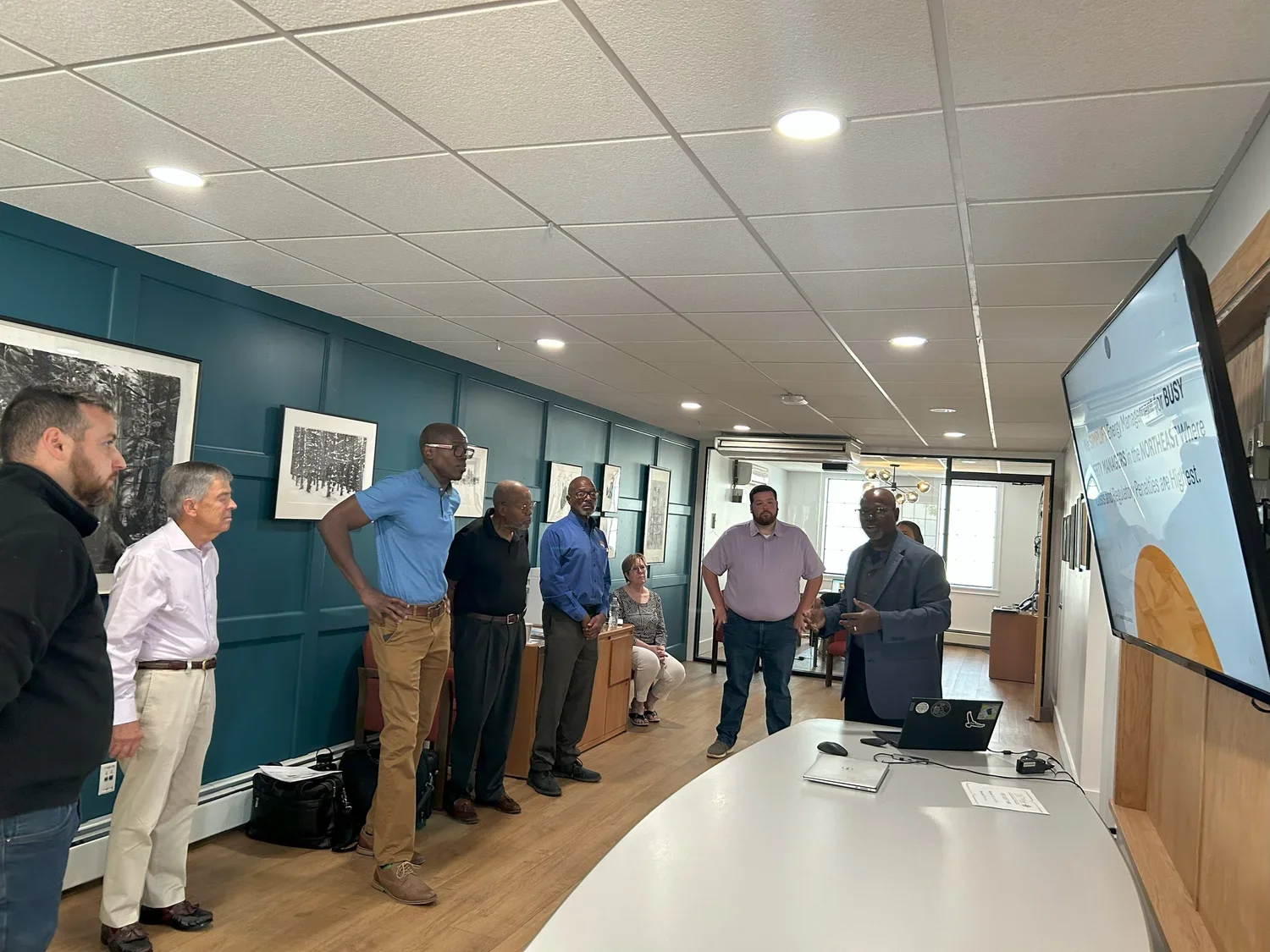
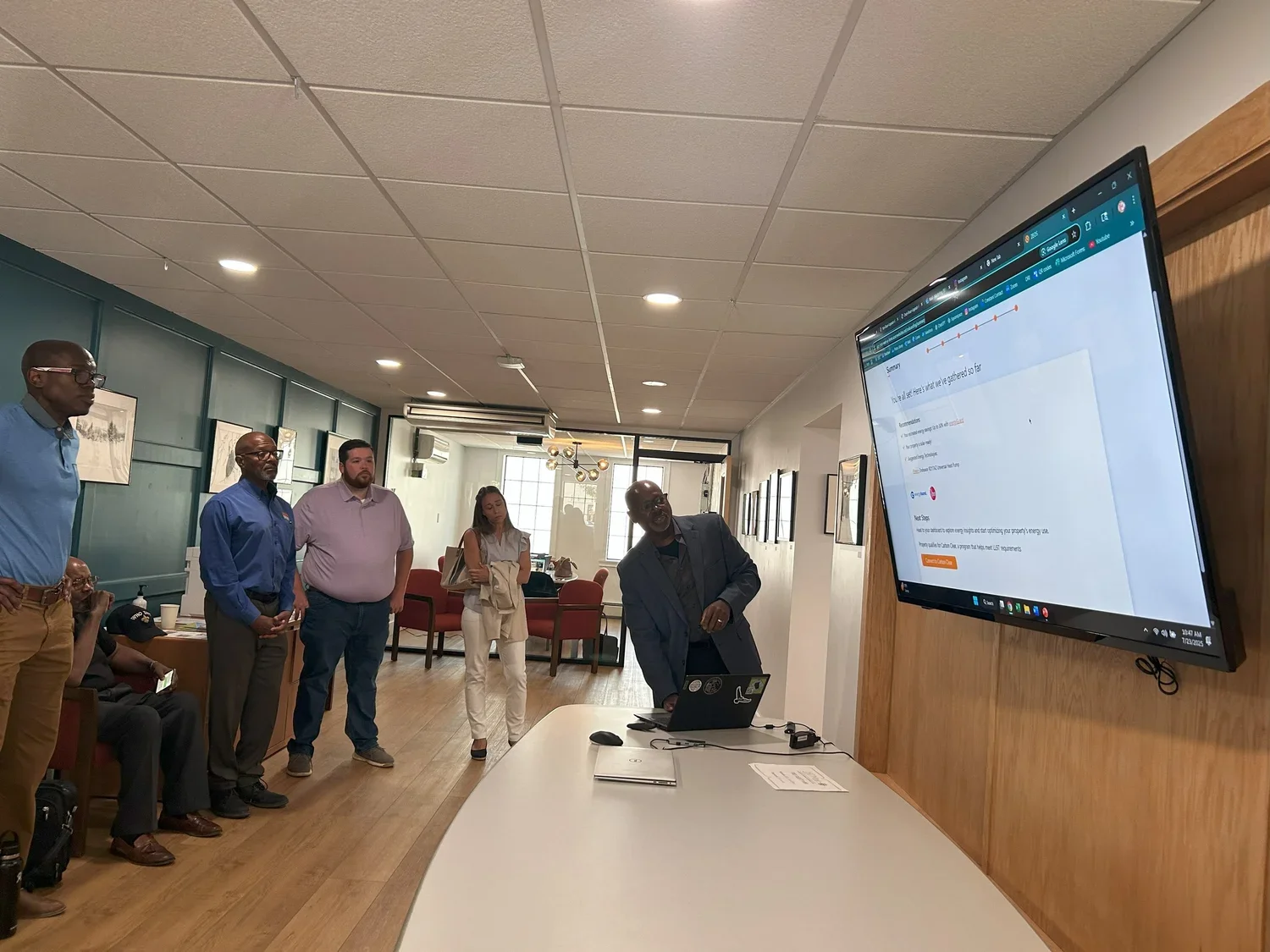
SEEC hosted the second-ever UAlbany Tech Roadshow, showcasing cutting-edge innovations in energy, disaster preparedness, utilities, and water treatment—and putting them directly in the hands of people who could use them.
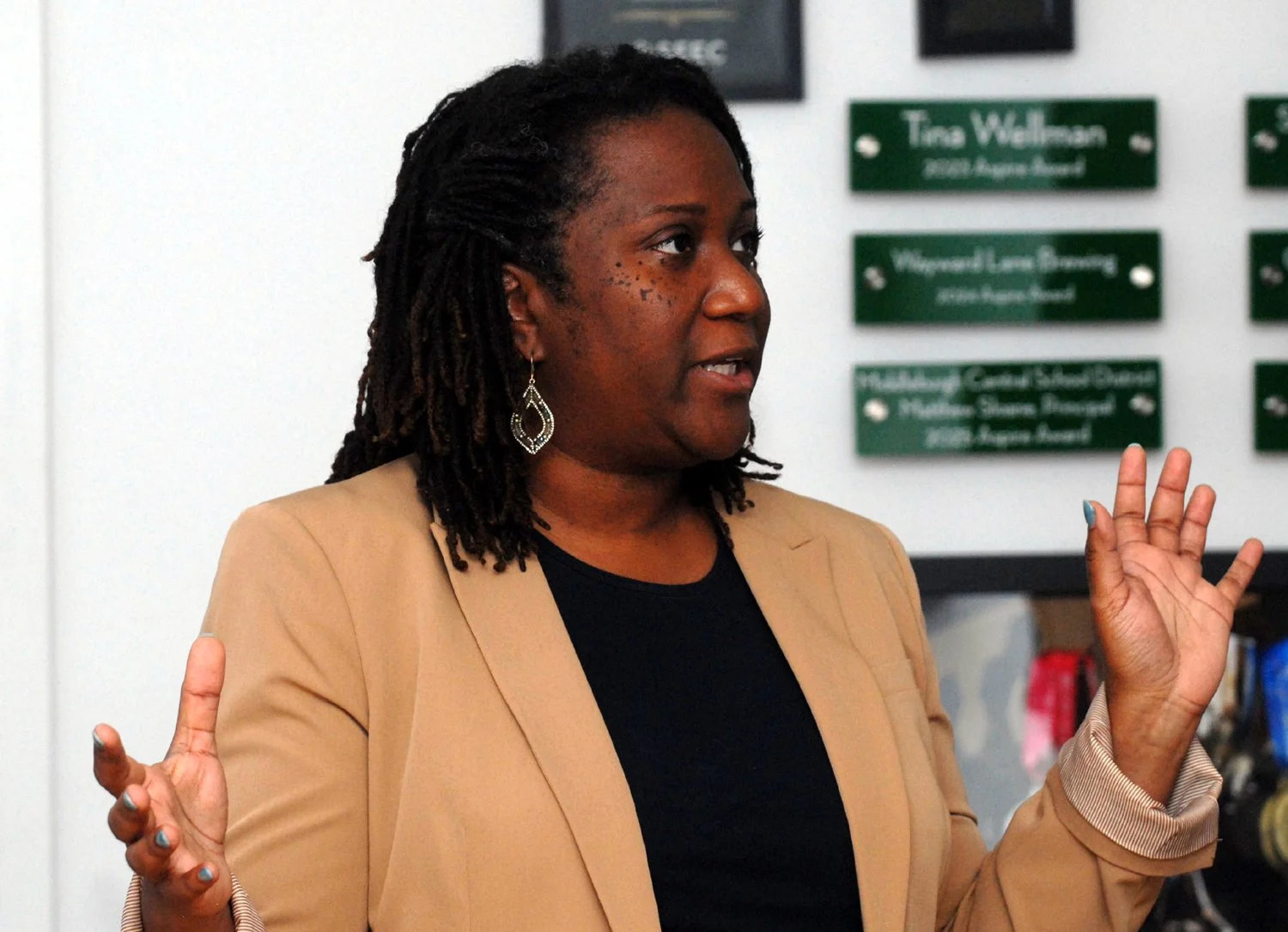
UAlbany's DeeDee Bennett Gayle asks for feedback from Roadshow participants.
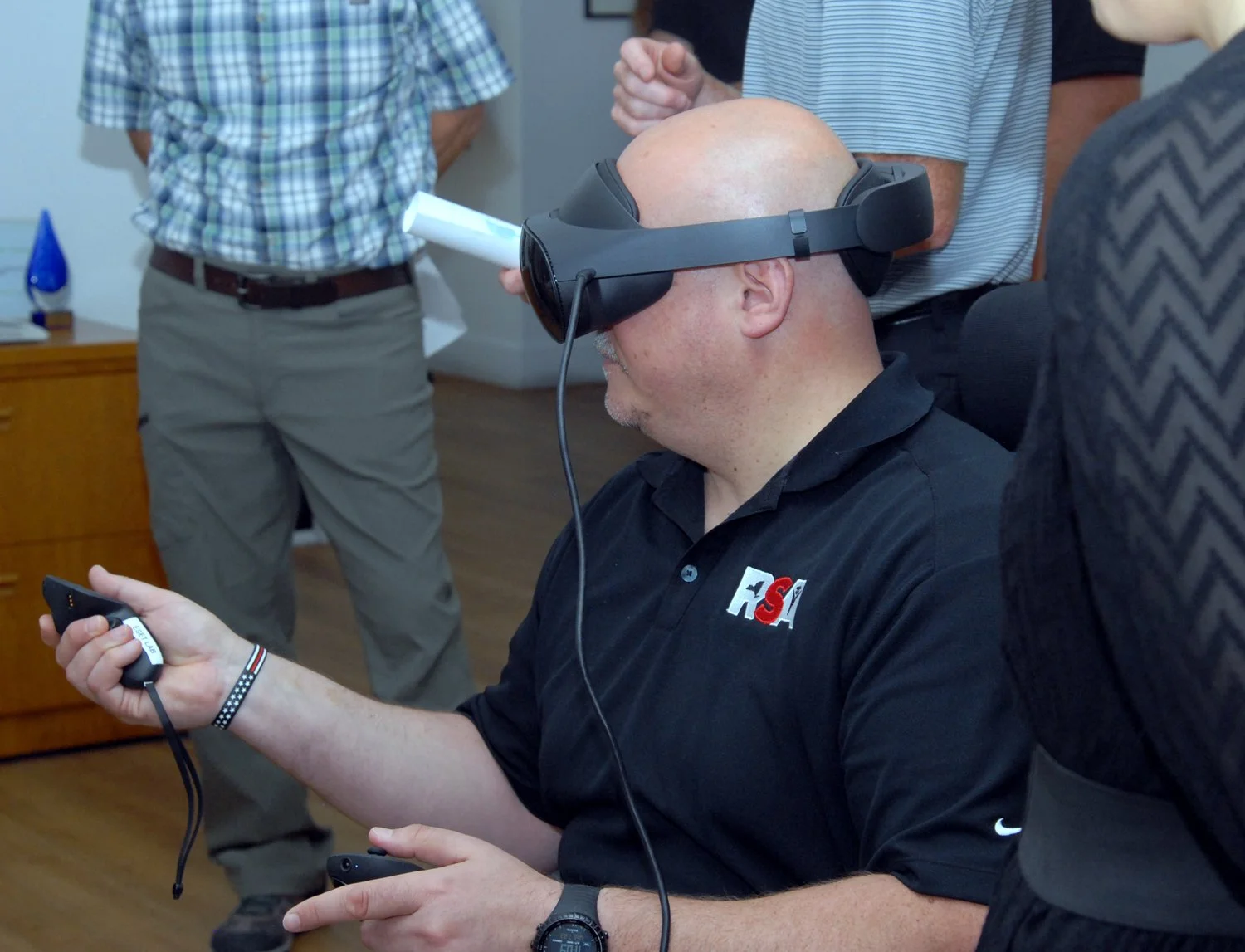
Mike Hartzel, director of Schoharie County's Office of Emergency Services (and the guy who led Irene recovery efforts), tried out the VR All Hazards game. He pulled on smart glasses and worked through high-stakes flood scenarios requiring quick decisions. His feedback? Make it a phone app so people use it daily and keep their skills sharp.
Erin Stein, former Cobleskill Regional Hospital president and SEEC founder, agreed with the app idea: "We're used to disasters like floods here. Something that helps people think ahead and prepare—especially with cuts to FEMA—is something we could really use."
Great feedback, said UAlbany's DeeDee Bennett Gayle, PhD, and PhD student Mahsa Goodarzi, who were there specifically to hear from disaster management pros. "All disasters start locally," Gayle pointed out, "so preparation starts locally too."
More Than Just Emergency Prep
Other Roadshow stations showcased:
Zero Energy Operating Systems software to monitor energy consumption
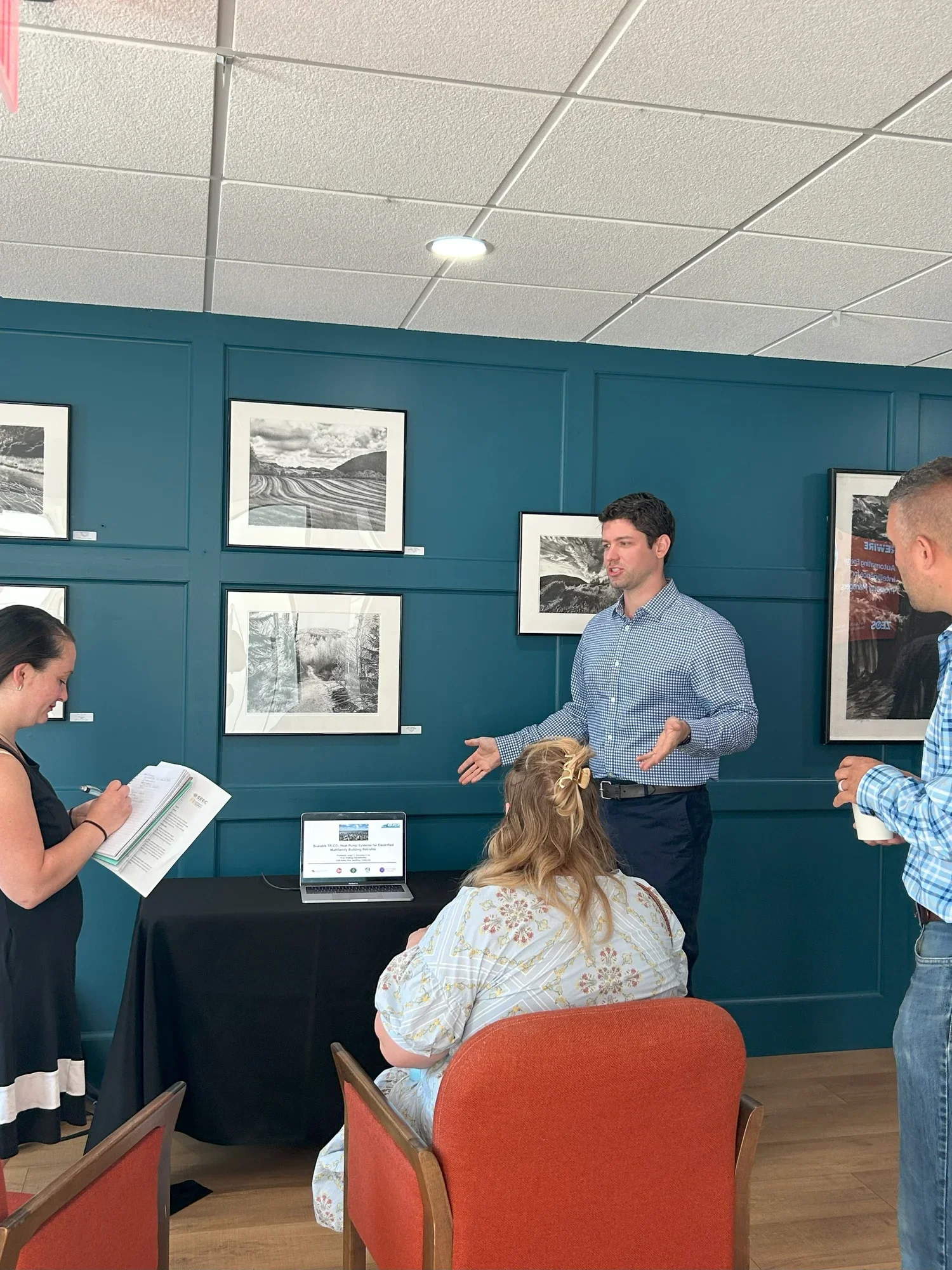
TR-CO2 Heat Pump Systems designed for retrofitting old Main Street buildings
ARTWR (Adsorption Regeneration Water Treatment Reactor)—a breakthrough in water purification
Brett Orzechowski, assistant director for UAlbany's Office of Economic Development, sees the Roadshows as a way to bring higher ed innovations to rural communities just 30 minutes from the Capital District that tend to get overlooked. "We're encouraging these questions: 'What do you want? What do you want us to work on next?' That's how you build valuable community-industry partnerships."
Why This Matters
This isn't just about technology—it's about agency. Rural communities like Schoharie County aren't waiting to be saved. They're building infrastructure, attracting entrepreneurs, and shaping the innovations that will serve them.
"We're always looking for ways to partner with places like UAlbany and see what they're working on that we can apply here," says SEEC CEO Julie Pacatte. It's especially relevant as the county moves toward full broadband buildout and SEEC ramps up efforts to draw young entrepreneurs and investors.
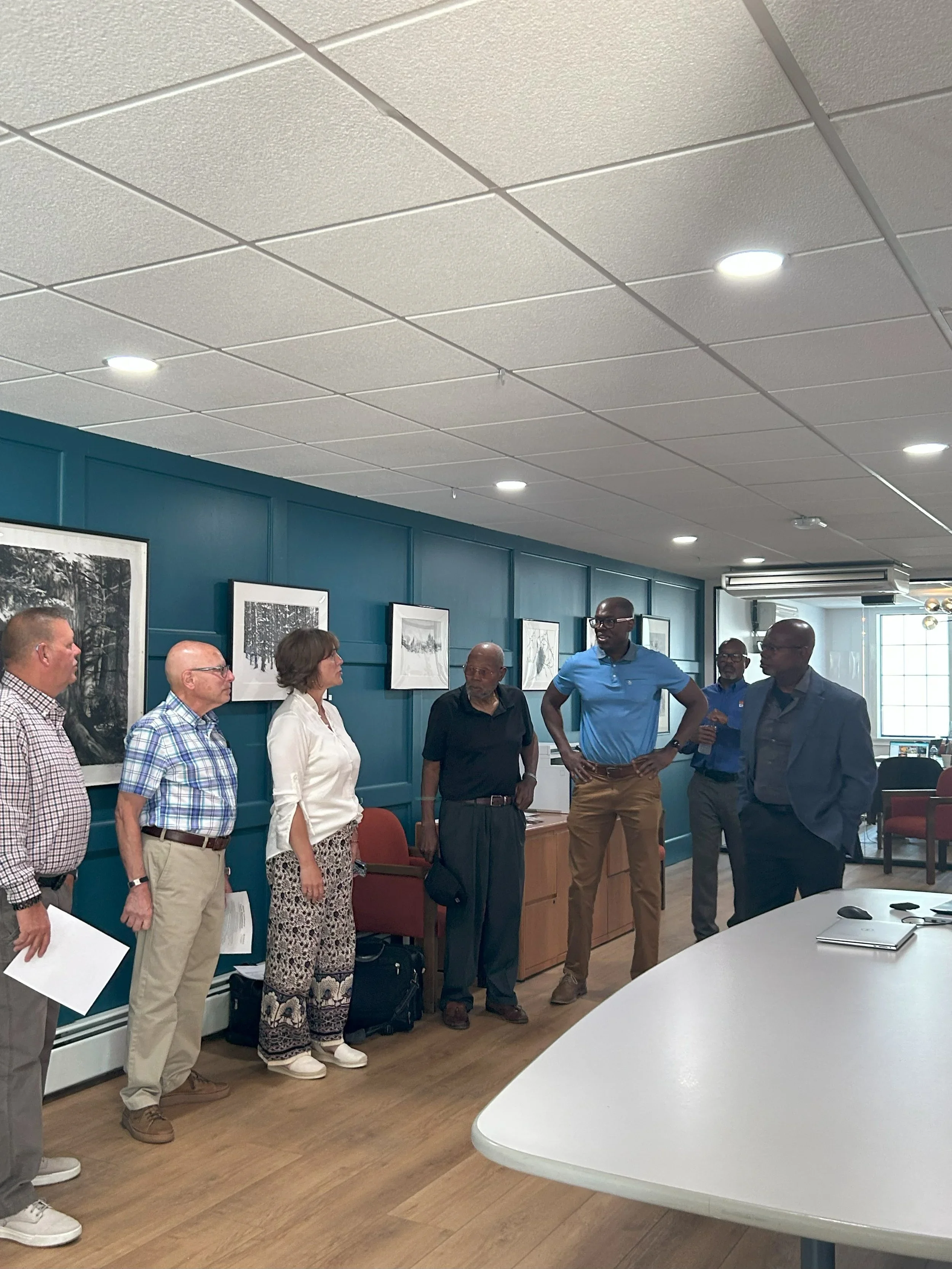
Get Connected
Whether you're a remote worker looking for reliable internet, an entrepreneur seeking co-working space, or someone who wants to be part of building a smarter rural economy—Schoharie County is making room for you. SEEC offers free digital and business workshops, co-working space, and connections to the people shaping Schoharie County's future.
Learn More: seecny.org
Root Access is your guide to life, work, and community in Schoharie County. Working on something innovative? Want a free coworking pass? Comment below!