How Do You Count Eagles? Patiently. Minekill’s National Eagle Count Day Hits the Bird Jackpot.
“One, two, three, four, five…This is the sixth nest.”
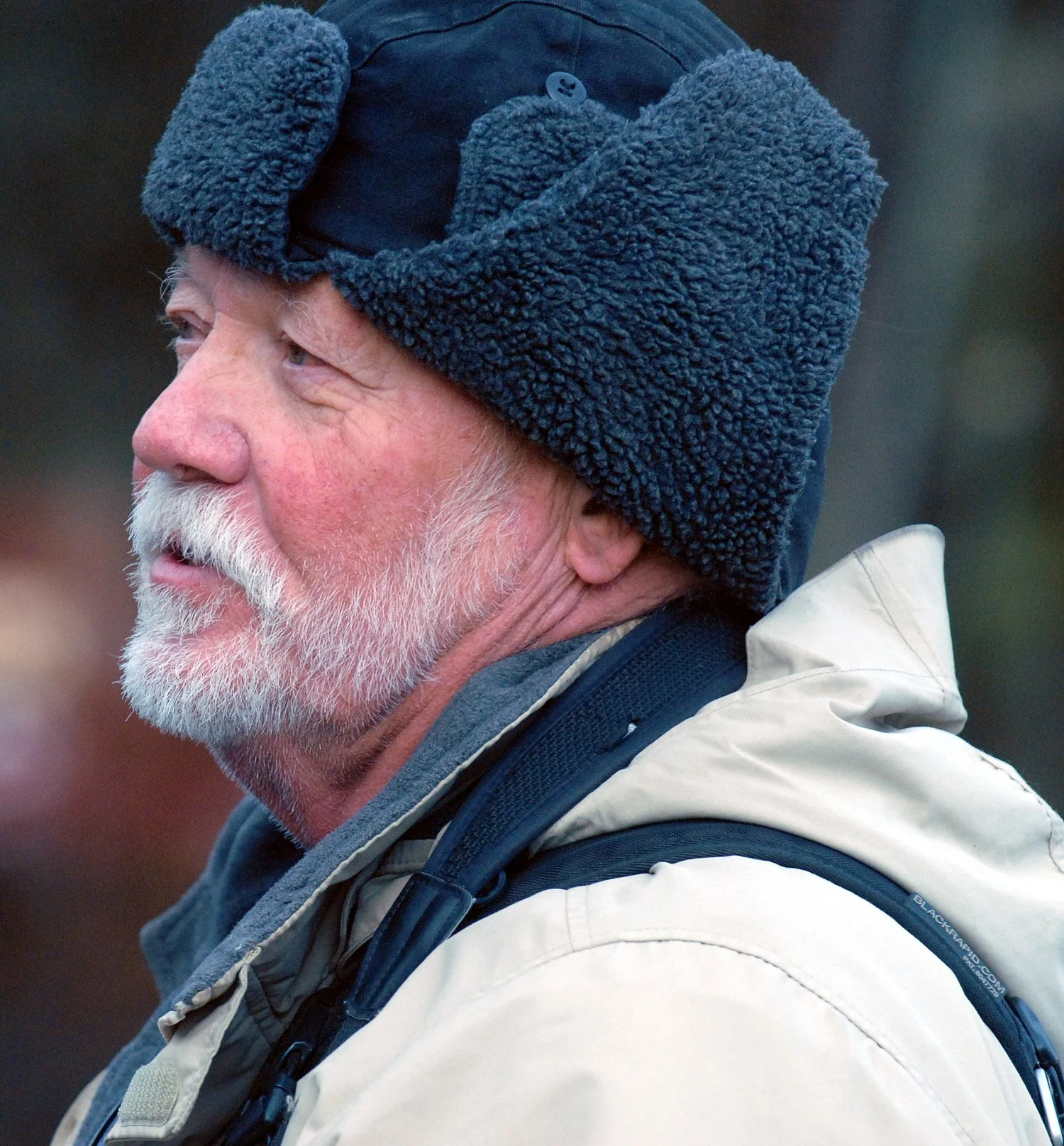
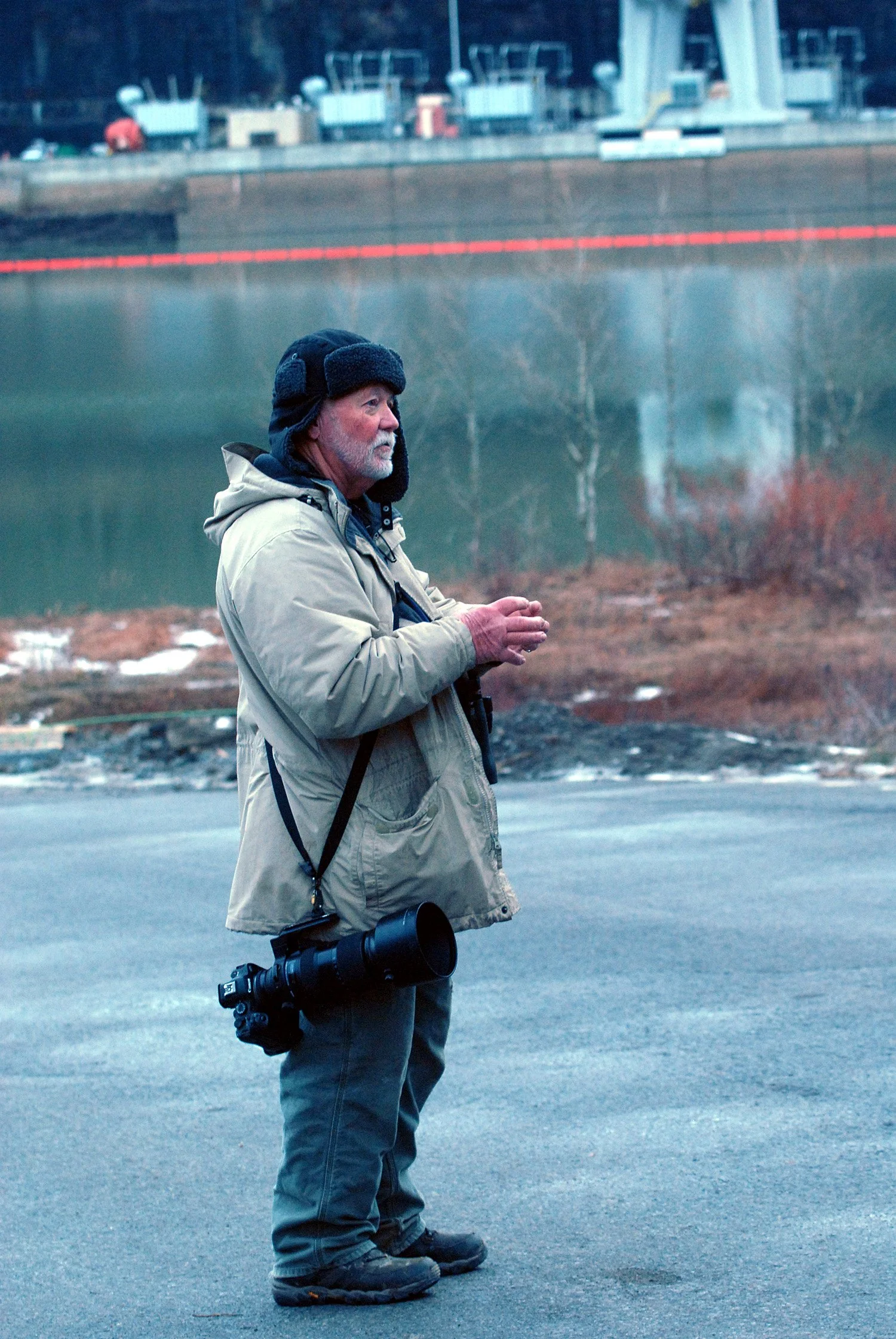
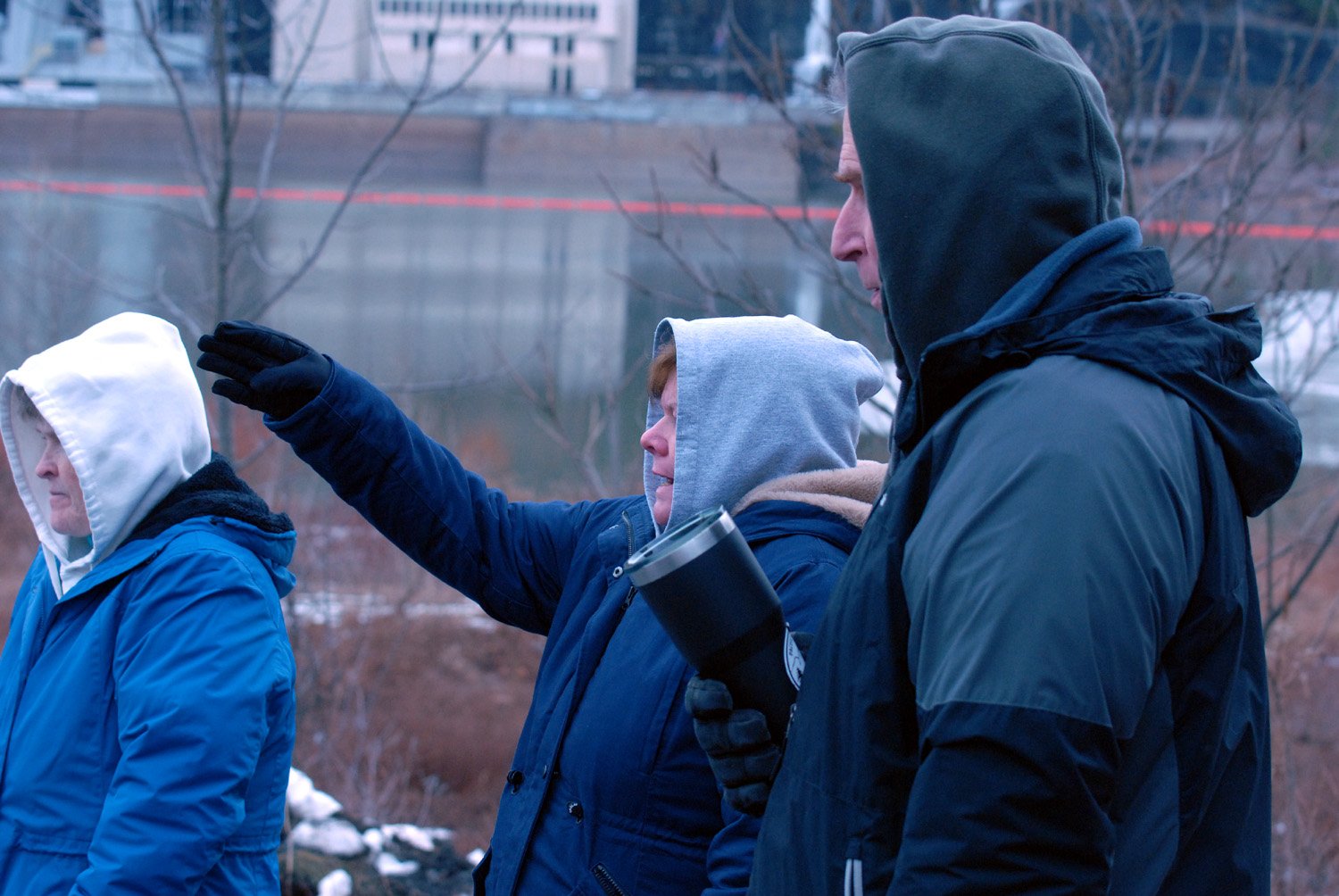
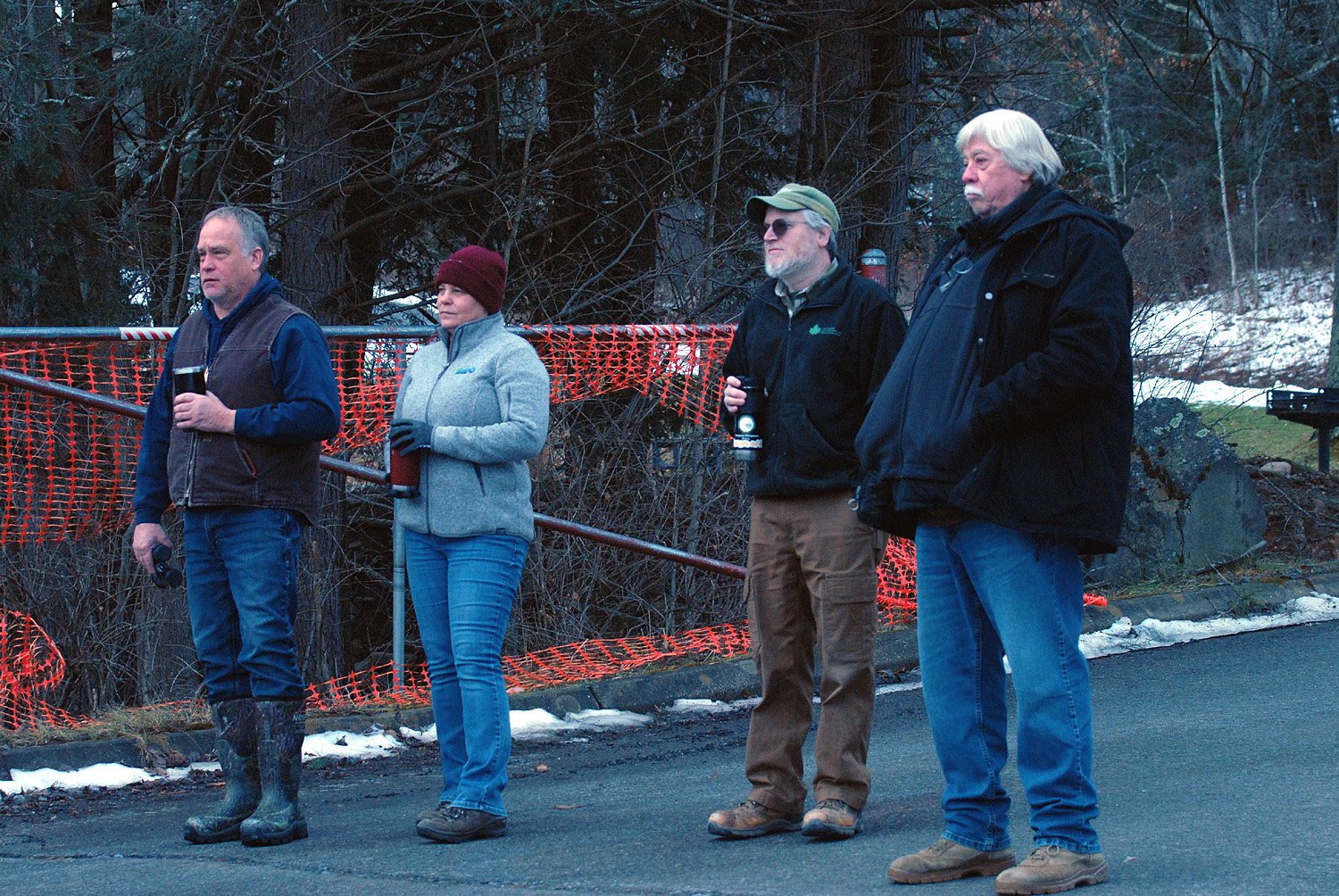
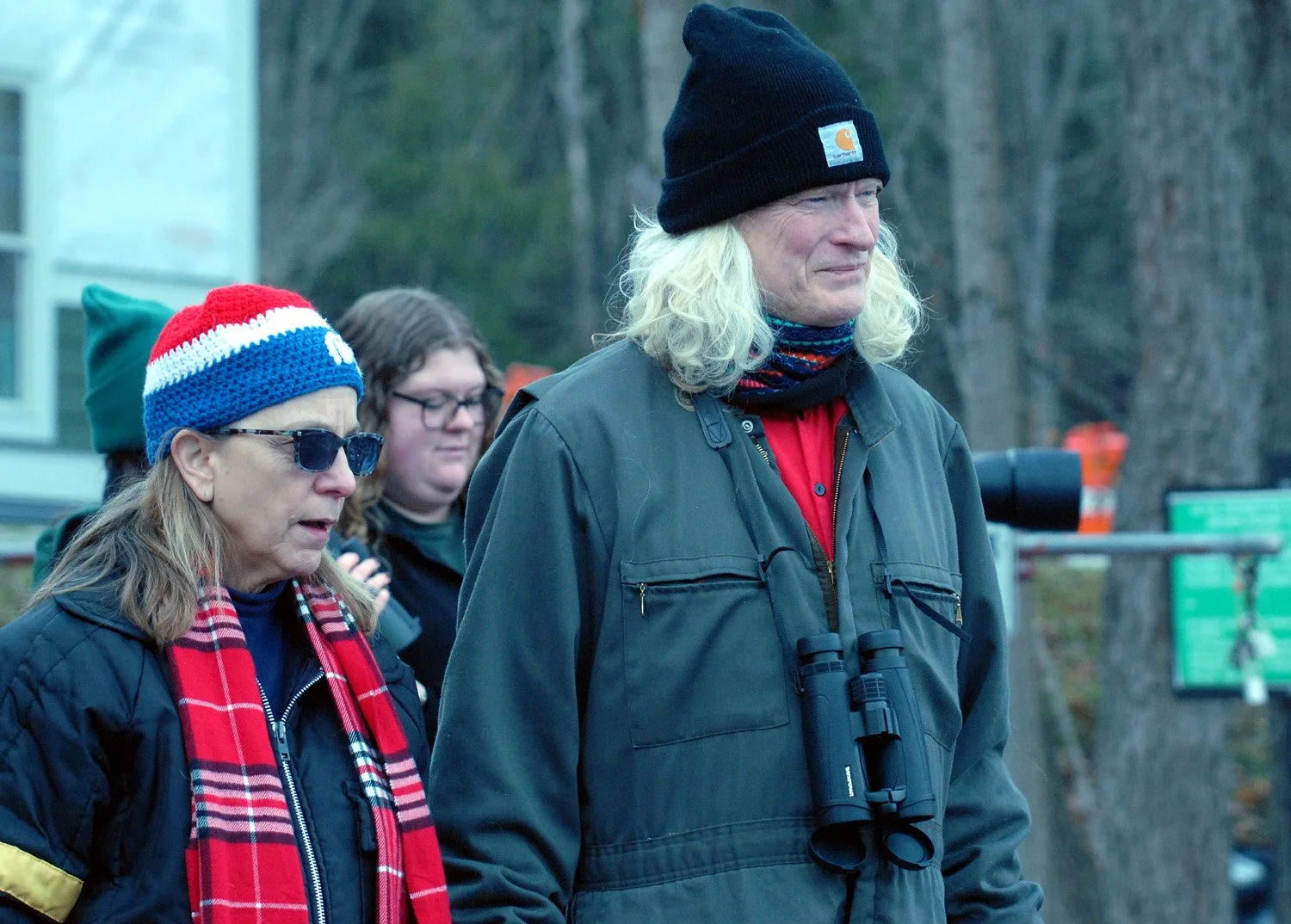
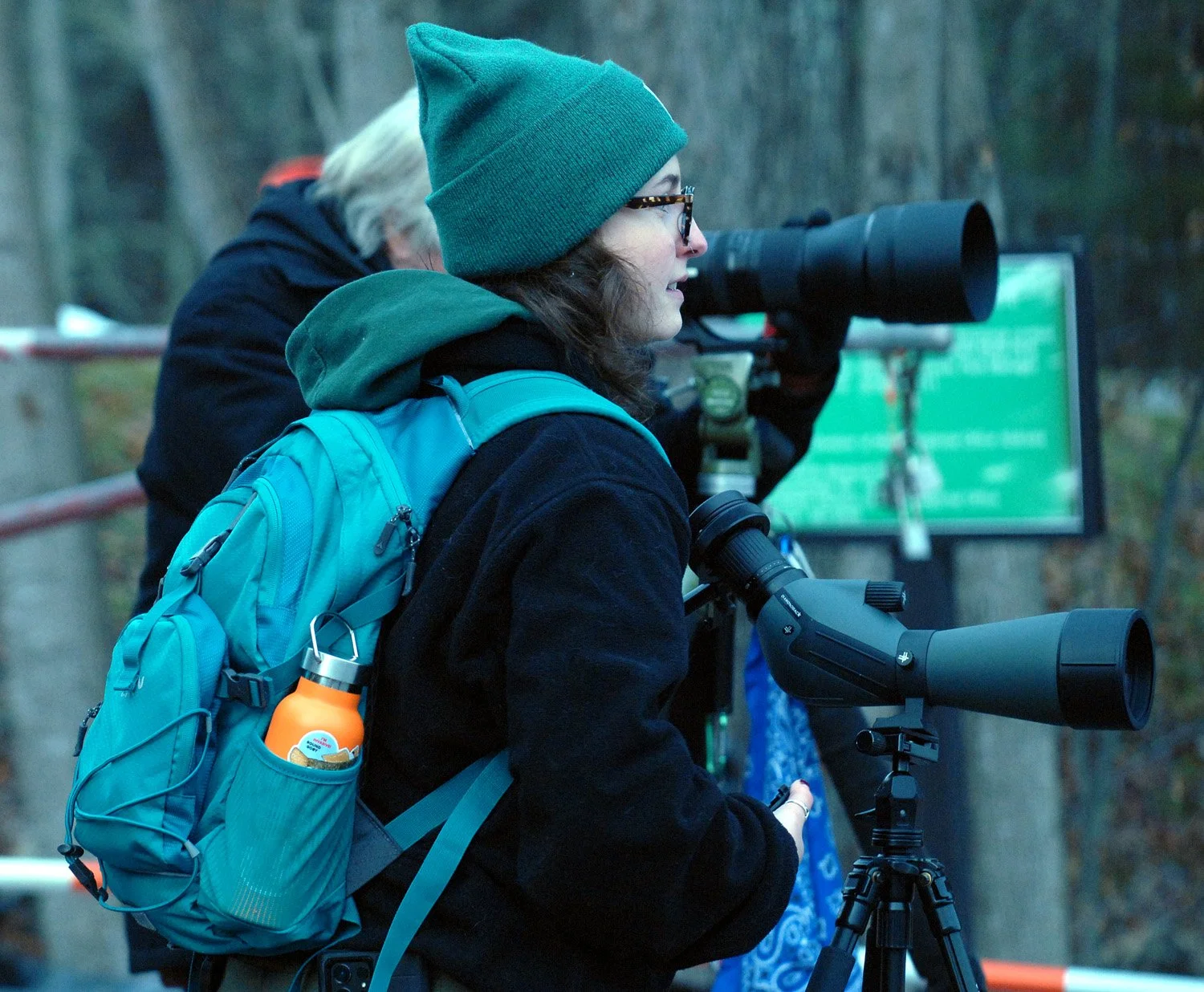
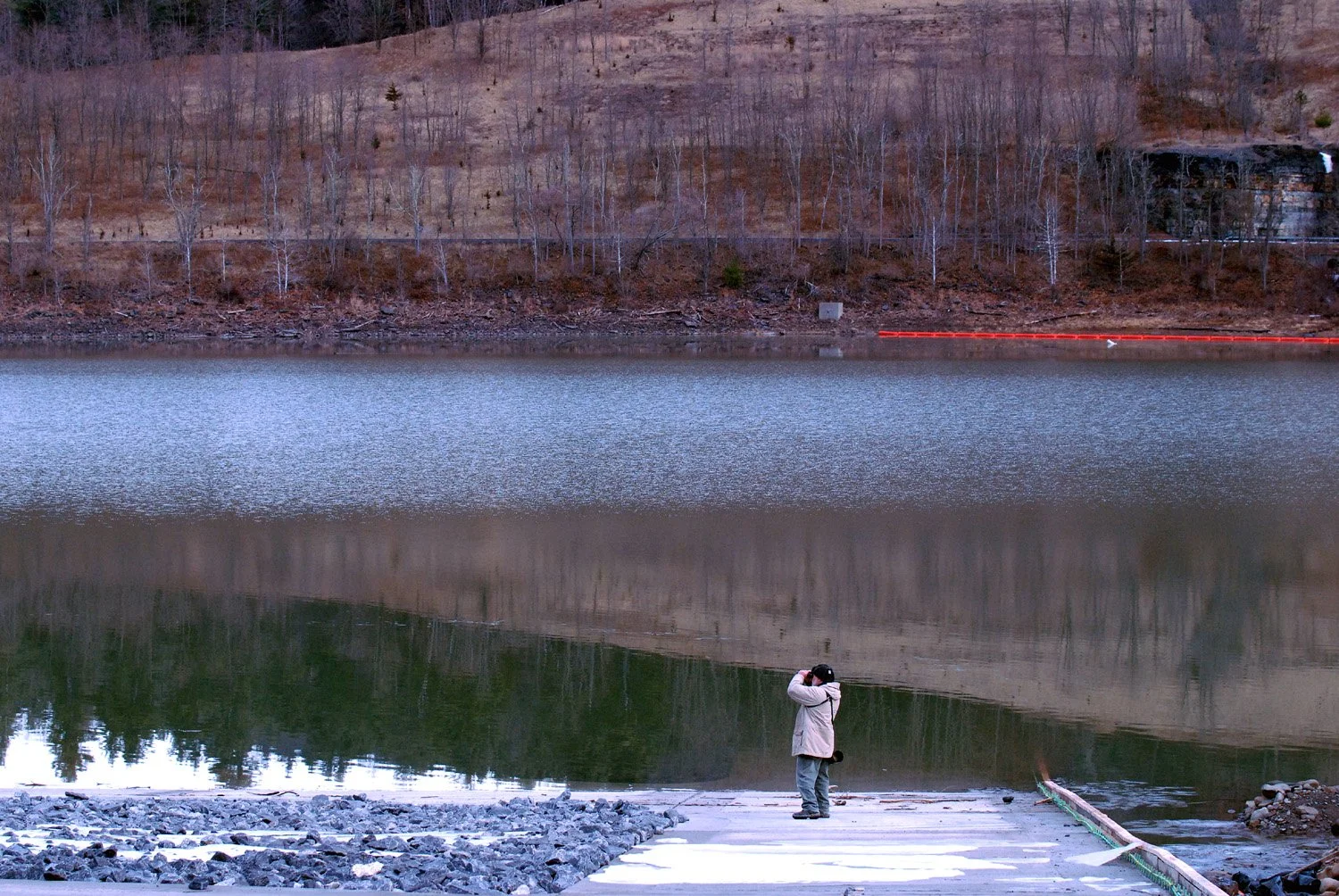
That’s Schoharie County Eagle Trail founder Bill Combs Jr., looking out over the Lower Reservoir at Minekill State Park (https://parks.ny.gov/visit/state-parks/mine-kill-state-park), counting off–from memory–the nests along that section of the Schoharie Creek, hoping to spot an eagle (or two or five or six) for the dozen or so eagled-eyed hopefuls at National Eagle Count Day.
With 16 nests along the entire length of the Schoharie Creek and 25 total in Schoharie County, the math grows exponentially pretty quickly: Two birds in a nesting pair x two or three eaglets per nest…Well, we’ve come a long ways since New York State was down to just a single pair in the 1970s.
Today, there’s more than 900 active nests statewide.
Combs: “And those are just the ones we know of.”
Eagles are only on the nest when there are eggs or eaglets, but as much as anyone can, Combs knows where all the nests are–and most of the eagles. Eagles mate for life, even if they don’t spend much time together the rest of the year, and right now, they’re reestablishing those bonds.
Today, at 8am, he’s already seen one immature eagle out on the ice.
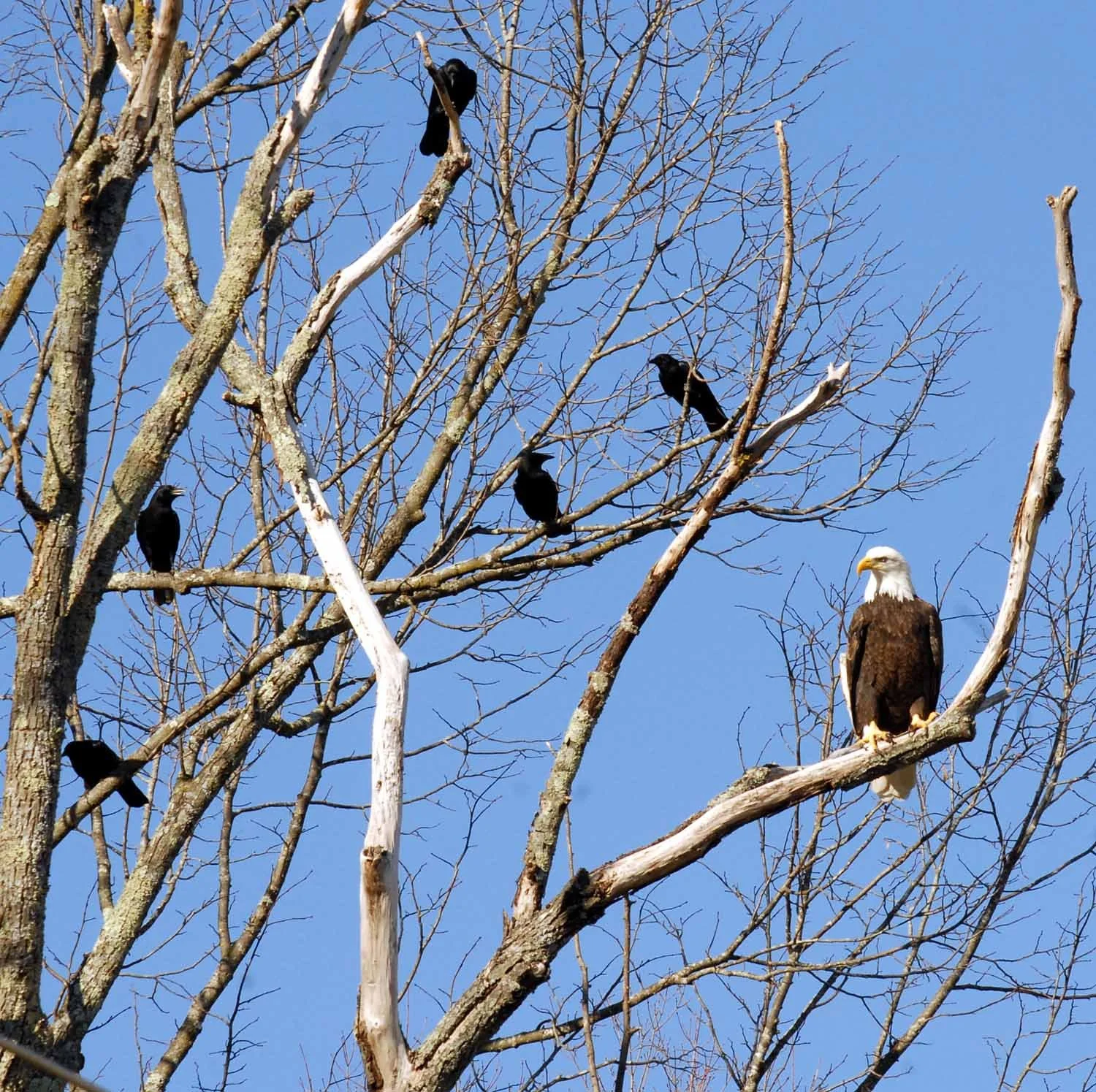
Winter’s the best time to view eagles–they’re concentrated and the leaves are off the trees–and DEC, New York State’s sponsor of National Eagle Count Day, shares some viewing tips:
Scan the tree line for eagles that are perched in the tree tops.
Look overhead for eagles soaring high in the sky.
Check ice floes or river islands for eagles sunning themselves or enjoying a meal.
Arrive early (7 am - 9 am) or stay late (4 pm - 5 pm), when eagles are most active.
Be patient and dress warmly. (Remember that patience thing.)
Honestly? Most of those tips probably came from Combs (a self-taught naturalist, wildlife photographer, and a nest monitor for DEC).
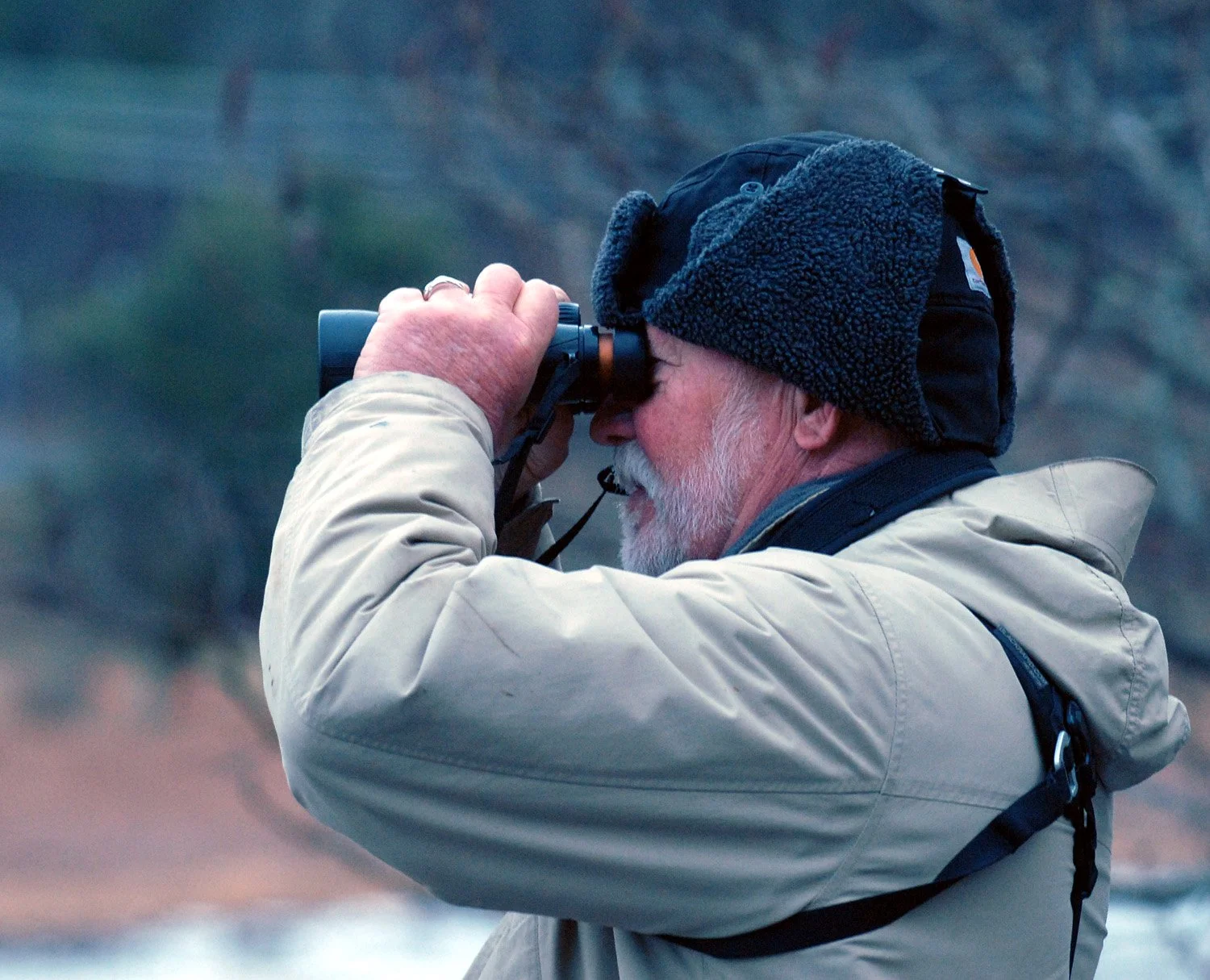
After scanning the reservoir at the end of the boat launch with his binoculars–no other eagles yet–he makes his way back up the ramp with another tip.
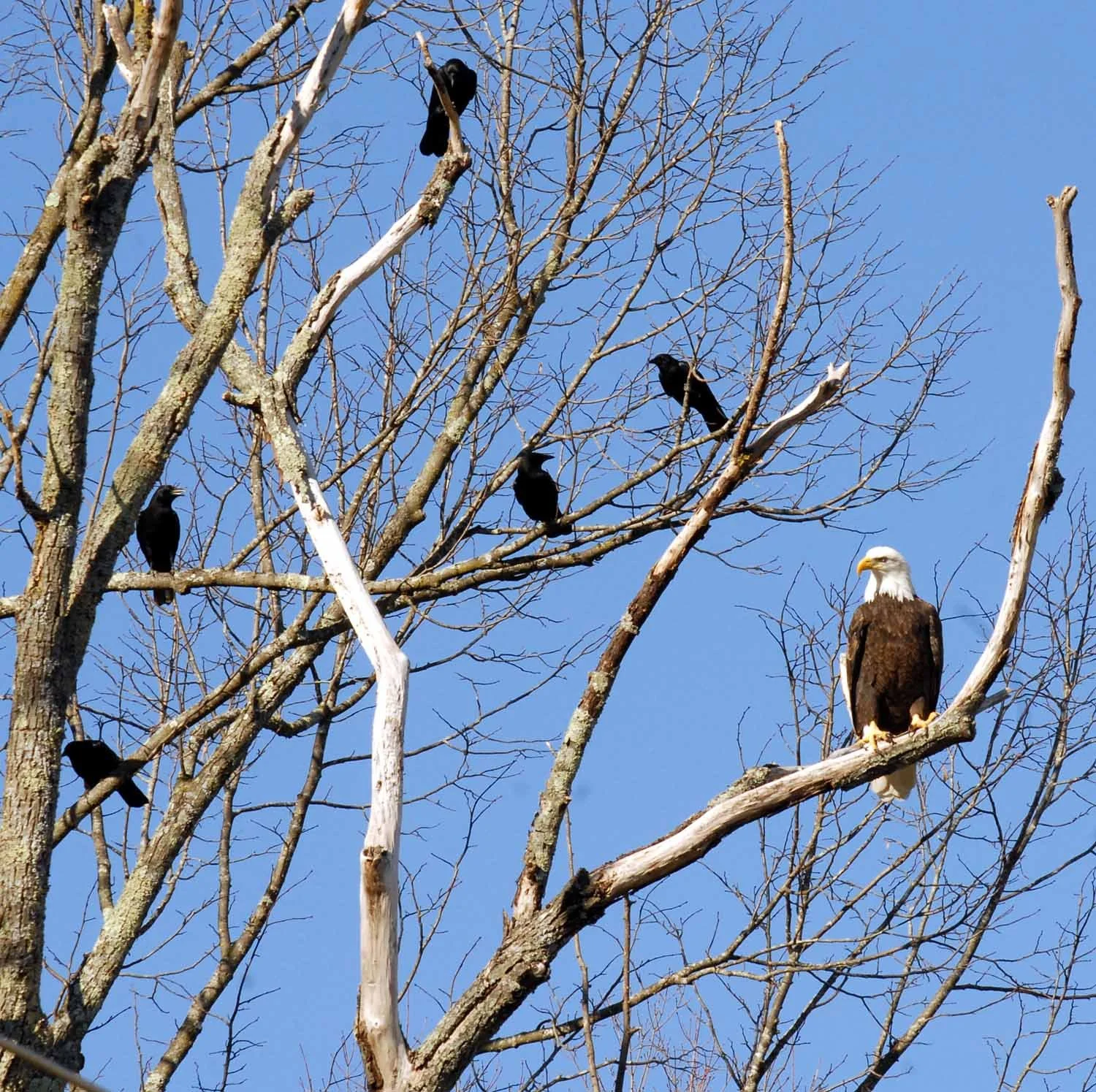
“Those crows? They’re after something. Could be an owl. Could be an eagle.” (Also words to remember.)
Combs’ time in the field–hours and hours and hours in all kinds of weather–has made him famous for his eagle photos. (“I didn’t know that was you,” one of the Minekill watchers tells him.)
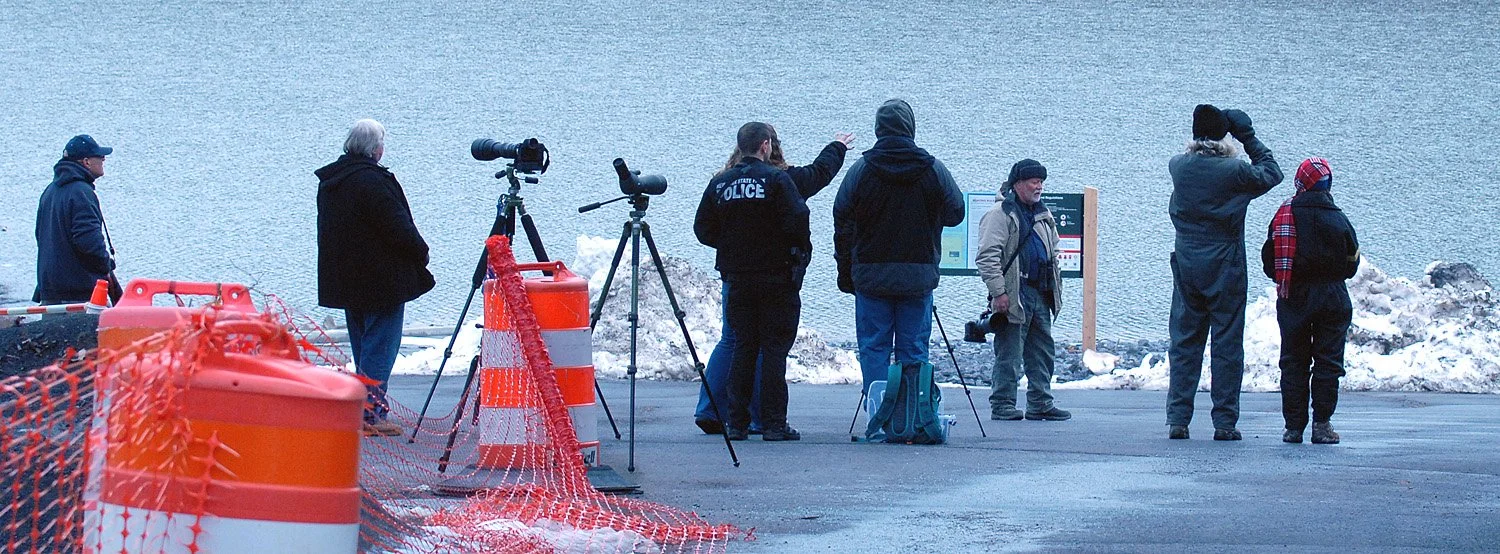
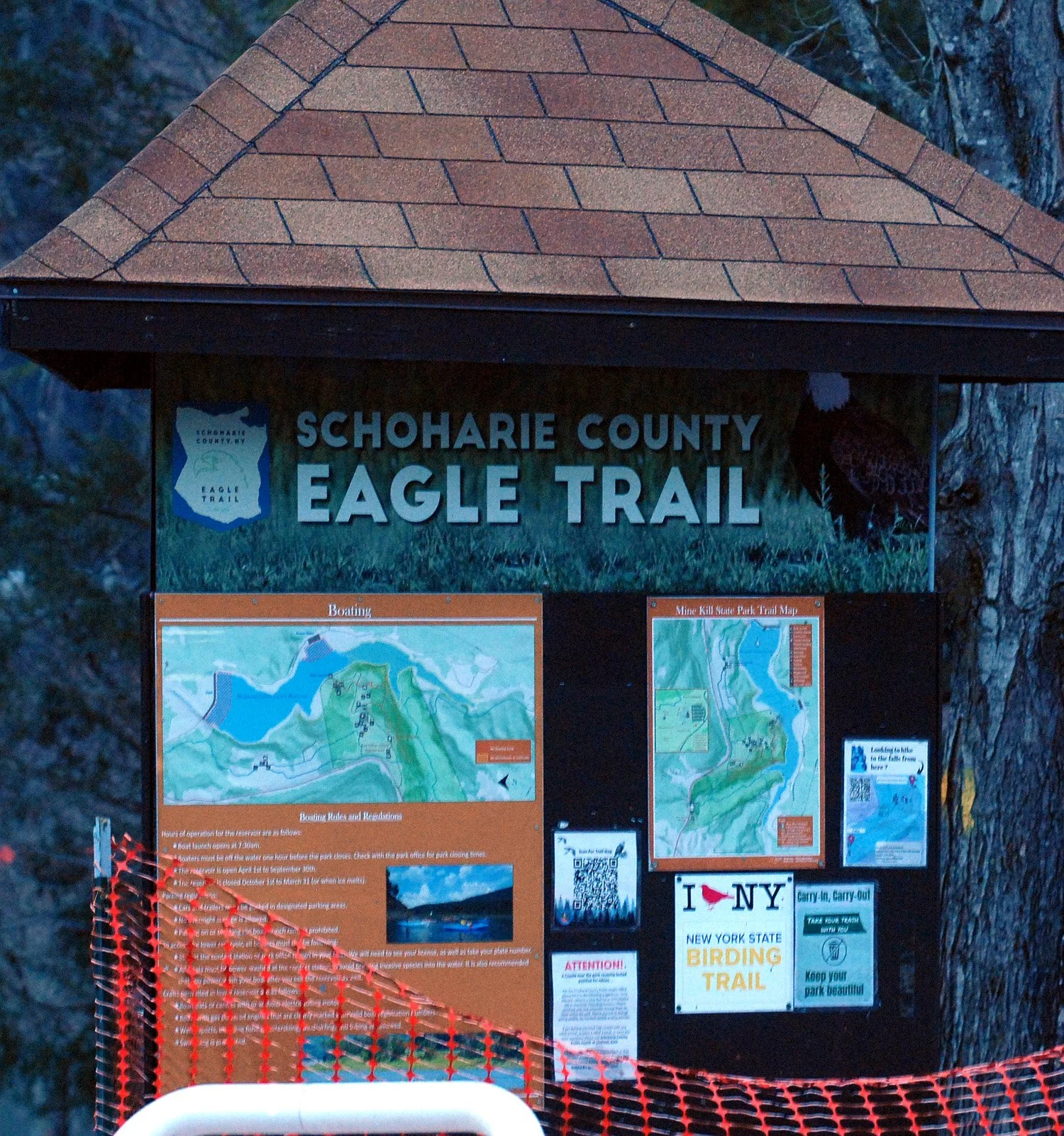
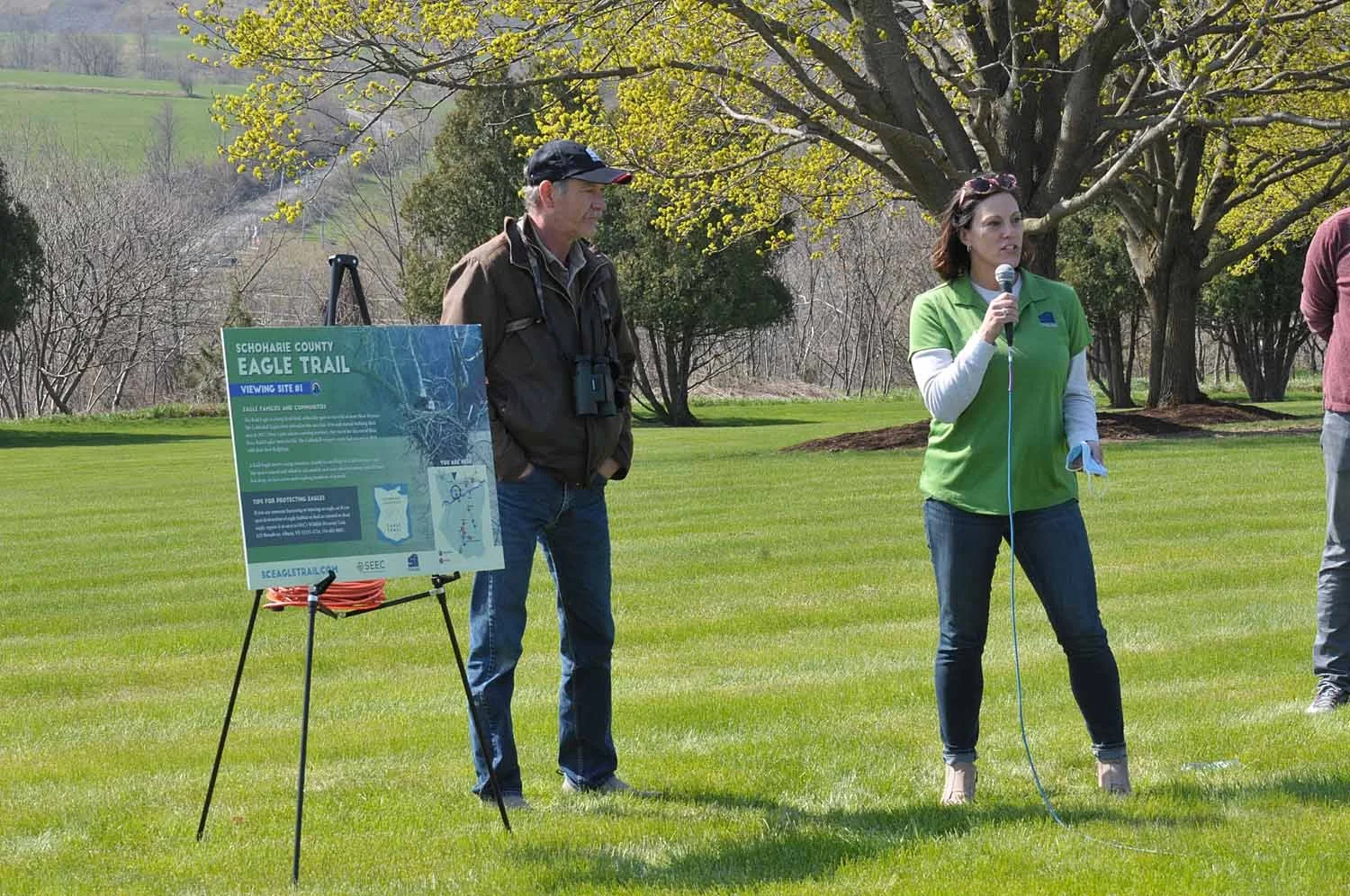
As the group works on that patience thing, adding more layers of fleece to stay warm, returning to their vehicles to top off to-go cups of coffee while soaking in the atmosphere, Combs, a natural storyteller, answers questions, offers eagle facts, and share stories about his own eagle encounters–as well some of those shared by others since the Schoharie County Eagle Trail (sceagletrail.com/), an accessible, eagle-watching route–was created six years ago.
“If I wasn’t out, monitoring nests, documenting what I’m seeing, and sharing what I learn, I’d be just another guy taking photos.”
Believe it or not, the most reliable place for spotting eagles is probably…the Cobleskill Walmart parking lot: Look east toward Sterling Insurance along the Cobleskill Creek. (There’s also a gazebo at Sterling offering a different view of the nest.) When they’re there, they’re impossible to miss.
Combs’ shots of the pair that call that nest home––they’re called John Jacob and Anna Maria Kobel after Cobleskill’s first settlers–are among his best known. They’ve been nesting at the Walmart site since 2018, oblivious to passing trains and Walmart’s bustle and lights below.
Combs: “They’re adaptable.”
Other eagle facts from Combs and DEC:
Eagles start laying their eggs in late February.
Locally, the Central Bridge is usually the first. Jacob and Anna Marie? Late March, the last.
Nine weeks after the eggs hatch, the eaglets are as big as their parents
Not every nest is successful. Because eagles keep adding to the same nest, year after year, it’s not unusual for a limb to fail–and send the nest tumbling.
It takes a while–some of the Minekill watchers have to leave for other things–but for the real stalwarts, that patience thing pays off.
The morning’s final count?
Eleven bald eagles–3 adults and 8 immatures. (Plus one barred owl for good measure)